Last Updated: October 8, 2026
Last Updated: October 8, 2026





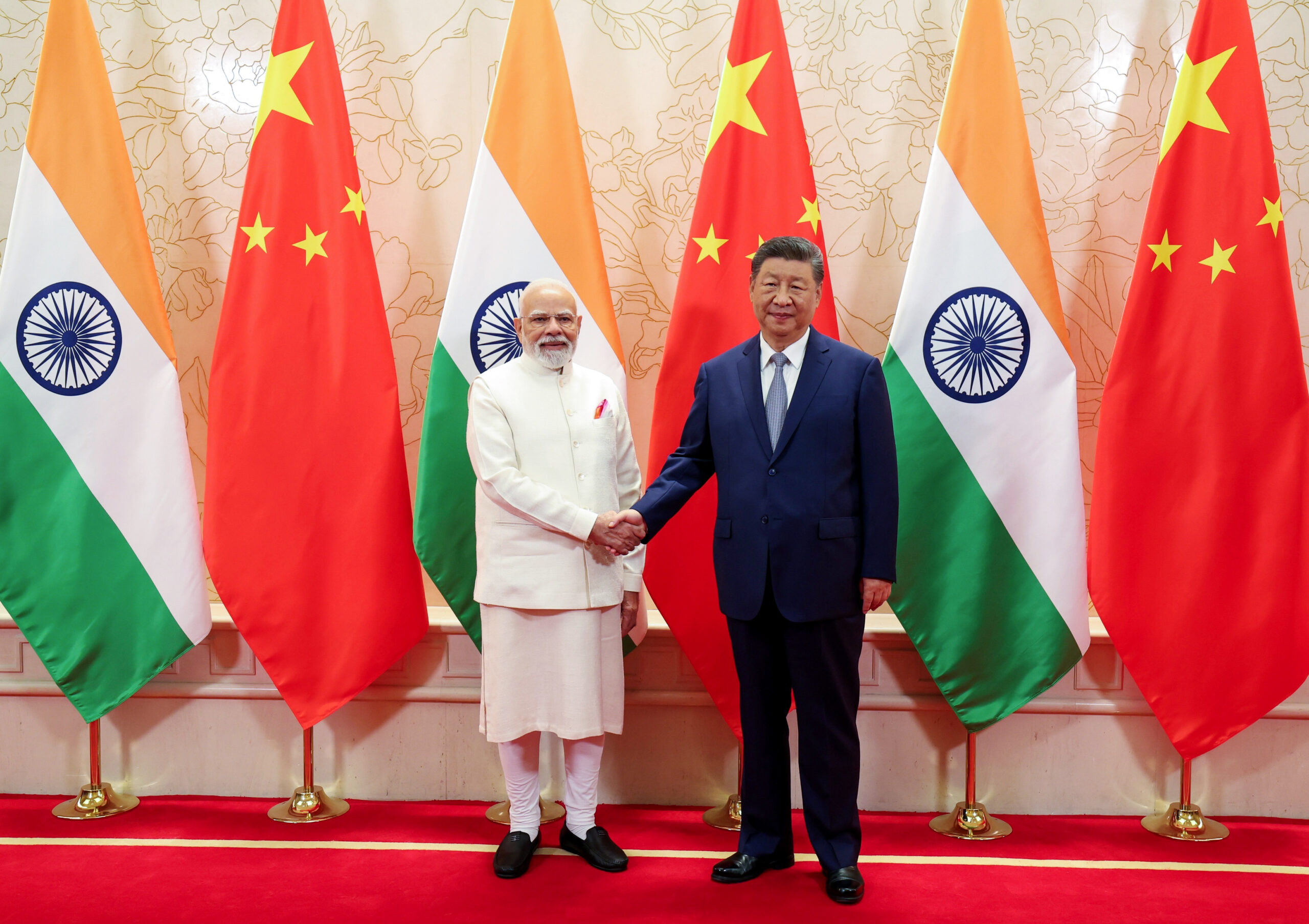
The 18th BRICS summit concluded in New Delhi. The participation of Russian President Vladimir Putin and Chinese President Xi Jinping was a significant development; Xi was visiting India after a gap of seven years. It remained to be seen whether these two global giants—massive in terms of population and consumer markets—could usher in a new era of goodwill amidst their commercial dynamics. Prime Minister Narendra Modi held bilateral meetings with 15 leaders during the summit. Collectively, BRICS member nations account for half of the global GDP, and there was keen anticipation regarding a potential new commercial understanding between China and India. Setting aside criticism from the opposition, Xi Jinping’s visit to India and participation in the BRICS summit indicate that China, like India, is seeking new relationships in the realm of international trade. During the summit’s closing session, Modi remarked—in Xi’s presence—that using technology and critical minerals as tools for strategic leverage could hinder shared progress. This was a direct allusion to China, which is perceived to be employing such tactics to exert strategic pressure. While questions were raised about Xi Jinping returning to China without attending the closing banquet, his extremely busy schedule could well be the reason. Nevertheless, both nations have demonstrated commercial goodwill towards one another. If China slightly alters its approach towards India and ceases its practice of backing Pakistan, this summit could undoubtedly pave the way for new avenues of trade between the two nations. A significant outcome of the summit is the member nations’ move to challenge the dominance of the US dollar and their resolve to conduct trade in their respective local currencies—a commitment shared by both China and India. Another crucial development was the open condemnation of the Pahalgam massacre by all member nations; India can certainly be satisfied with this stance. The next BRICS summit will be held in China. For the coming year, China will steer the summit’s policies. It remains to be seen how effective China’s stance against terror financing at the summit proves to be. Another crucial point is that unilateral tariff policies—specifically those of the US—will not be tolerated. It would be a significant move if BRICS member and partner nations united to stand against such tariffrelated bullying by the US. In his closing address, Modi remarked that rising geopolitical tensions are adversely affecting the lives of ordinary people across the globe. To address these challenges and advance the interests of humanity, BRICS nations must emerge stronger through cooperation and inclusive growth. Comprising BRICS members and partner nations, a ‘Global South’—representing a total of 21 countries—is emerging powerfully. The Global South consists of developing nations. The summit made it evident that their confidence in BRICS has grown; these nations feel that their voices are heard and their experiences valued on this platform. Solutions were not imposed upon them; instead, discussions were conducted in a spirit of genuine partnership. The Indian media is hailing this summit as a victory for Modi, noting that India has significantly enhanced its global image through this event.
Kabul: Two civilians were injured in a blast in the northern Afghan province of Badakhshan on Wednesday, provincial...
As concerns grew around the world over a plague outbreak, the World Health Organisation (WHO) said on Tuesday...
A Ukrainian drone attack triggered a fire on a Liberian-flagged oil tanker carrying an all-Indian crew off Russia’s...
India has strongly criticised the Organisation of Islamic Cooperation (OIC), accusing it of being unable to distinguish between...
Guwahati: Ashik Ali, an accused in the death of Gauhati University student Nimisha Thakuria, was shot in the...
As many as eight students were injured in a stabbing attack at a middle school in the Basaksehir...
Aries: The day will be auspicious...