Last Updated: October 17, 2026
Last Updated: October 17, 2026





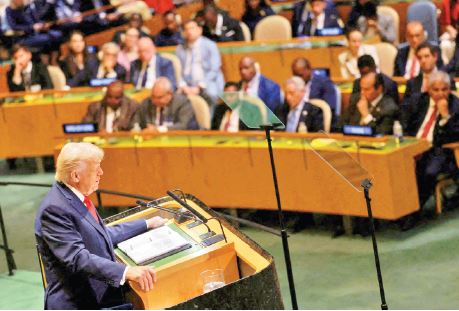
The Kremlin on Wednesday publicly rejected US President Donald Trump’s recent remarks about the Russia-Ukraine war, after Trump met Ukrainian President Volodymyr Zelenskyy and said he believed Kyiv could retake territory held by Russia. The exchange has prompted fresh diplomatic engagement on the sidelines of the United Nations, with Moscow signalling it will set out its position through formal talks between foreign ministers.
The shift in tone began when Trump, speaking after a meeting with Zelenskyy at the UN General Assembly, described the Russian military as a “paper tiger” and expressed “great respect for the fight that Ukraine is putting up.” He added that, in his view, Ukraine could “get all of its land back” with timely support from European and NATO partners. The comments marked a notable rhetorical turn for the US president and were published alongside a post on his Truth Social account.
Moscow reacted swiftly. Kremlin spokesperson Dmitry Peskov dismissed the “paper tiger” characterization, saying Russia is “more associated with a bear” and that “paper bears don’t exist.” Peskov said Russia would continue its “special military operation” to pursue what the Kremlin describes as its strategic goals, adding that Moscow saw no alternative to pressing on. He also framed Trump’s remarks as a change in tone and said Russia would articulate its response through diplomatic channels.
Diplomatic activity followed. Russian officials said Foreign Minister Sergei Lavrov was scheduled to hold talks with US Secretary of State Marco Rubio on Wednesday in New York, where world leaders are gathered for the UN gathering. Kremlin statements and Russian state media confirmed Lavrov’s planned contacts on the sidelines of the assembly, signalling Moscow’s intent to present its view directly to senior US officials.
Ukrainian officials welcomed Trump’s remarks as a positive development. Volodymyr Zelenskyy described their meeting as “productive,” and said he appreciated Trump’s recognition of Ukraine’s position on the battlefield. Western diplomats called the exchange an unexpected but significant rhetorical shift in the context of persistent efforts to marshal support for Kyiv.
Analysts noted that public rhetoric matters because it shapes international perceptions and can influence both financial and material flows. Trump’s comments, issued after direct talks with Zelenskyy, contrast with earlier signals from Washington that at times sought a different balance in relations with Moscow. For the Kremlin, the remarks were portrayed as inconsistent with realities on the ground, prompting a pointed rebuttal from Peskov and a determination to press Russia’s case in diplomatic meetings. Moscow’s insistence on continuing its military campaign reflects the Kremlin’s framing that the operation is essential to Russian interests and long-term security. Peskov’s public comments emphasised stability and continuity in Russia’s approach, and underscored that Moscow sees few alternatives to its current course. At the same time, the announcement of Lavrov’s meeting with Secretary Rubio indicated Moscow’s willingness to engage at high diplomatic levels even as it dismissed the substance of Trump’s critique.
The episode highlights a broader diplomatic complexity: an abrupt public shift by a US president, a firm rebuttal from Moscow, and immediate efforts to channel disagreement into formal diplomacy between foreign ministers. Observers said the intensity of public statements can complicate, but also catalyse, behind-the-scenes negotiation. The coming hours and days — particularly the Lavrov-Rubio exchange and any follow-up contacts in New York — will be watched for signs of whether the rhetoric translates into policy shifts or further polarization.
For now, the narrative from each capital remains clear: Washington, through the president’s remarks, signalled a marked degree of support for Kyiv’s ability to reclaim occupied territory; Moscow, speaking through Peskov, framed those remarks as misinformed and reaffirmed its decision to continue military operations. Diplomats in New York prepared for a high-stakes set of meetings that could either ease tensions by creating room for dialogue or harden positions further.
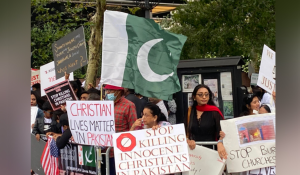
Pakistan’s religious minorities continue to face systematic persecution , discrimination and denial of equal rights, with the abduction...
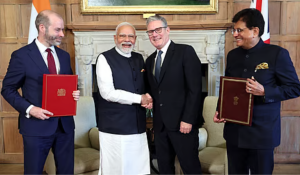
Three months after the India UK Comprehensive Economic and Trade Agreement (CETA) entered into force, the pact is...
A charkha spinning in a village once spoke of nationalism. Today, that spirit is taking new shape through...

Bangladesh has witnessed a rise in religious fundamentalism and militant activities since the former interim government led by...
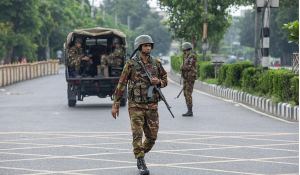
Read The Savera Times Evening Bulletin for the top India and world news, latest breaking headlines, major developments...

New Delhi: India and Vietnam on Friday reviewed their cooperation across key areas, including economic security, maritime engagements,...
Aries: The day will be auspicious...