Last Updated: October 15, 2026
Last Updated: October 15, 2026





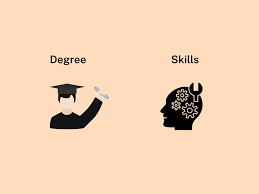
For centuries, education has been defined by classrooms, textbooks, examinations, and degrees. Formal schooling has long been considered the primary path to knowledge and social mobility. Yet, in recent years, a quiet transformation has been unfolding outside traditional institutions. Informal learning—self-directed, experience-based, and often technology-driven—is increasingly reshaping how people acquire skills, knowledge, and confidence across the world.
Informal learning refers to education that happens beyond structured curricula. It includes learning through online platforms, apprenticeships, community engagement, peer-to-peer exchanges, podcasts, videos, and even social media. Unlike formal education, it is not bound by age, location, or certification. Anyone with curiosity and access can participate. This flexibility has made informal learning particularly attractive in an era marked by rapid technological change and evolving job markets.
One of the strongest drivers of informal learning is the gap between academic education and workplace needs. Employers increasingly seek skills such as adaptability, problem-solving, communication, and digital literacy—competencies that traditional systems often struggle to teach effectively. As a result, learners are turning to online courses, coding bootcamps, language apps, and skill-based tutorials to stay competitive. These platforms offer real-time updates, practical exercises, and immediate application, making learning more relevant and engaging.
Technology has played a central role in this shift. Smartphones and affordable internet access have turned learning into an on-demand activity. A student in a remote village can watch lectures from global universities, while a working professional can reskill during evenings through online modules. Social media platforms, once dismissed as distractions, now host educational content ranging from science explainers to financial literacy lessons. Learning has become embedded in daily life rather than confined to academic spaces.
Informal learning also democratizes education. For individuals excluded from formal systems due to poverty, conflict, disability, or gender discrimination, alternative learning pathways provide opportunities that were previously inaccessible. Community-based learning initiatives, peer mentoring, and open educational resources allow marginalized groups to build knowledge without institutional barriers. While these pathways may not always lead to formal credentials, they often empower learners with confidence and practical skills.
However, informal learning is not without challenges. The absence of standardized assessment makes it difficult to measure learning outcomes. Quality control is another concern, as misinformation can easily spread alongside credible content. Additionally, without formal recognition, learners may struggle to translate their skills into employment opportunities. This highlights the need for systems that validate informal learning through skill certification, portfolios, and competency-based assessments.
Educational institutions are beginning to respond. Universities are integrating experiential learning, internships, and online modules into their programs. Employers are placing greater emphasis on skills rather than degrees alone. Governments and international organizations are exploring ways to recognize prior learning and non-formal education. These developments suggest that formal and informal systems are not rivals, but complementary forces.
The future of education lies in hybridity. Classrooms will continue to play an important role, especially in foundational learning and social development. Yet, informal learning will increasingly fill the gaps—offering speed, relevance, and accessibility. As knowledge evolves faster than institutions, the ability to learn continuously may become the most valuable skill of all.
Suva: India and Fiji on Thursday held discussions focused on deepening bilateral ties and reaffirmed their shared commitment...
Bokaro (Jharkhand): The protest by trained youth from displaced families affected by the Bokaro Steel Plant (BSL) intensified...
Varanasi: Uttar Pradesh Chief Minister Yogi Adityanath, on a two-day visit to Varanasi, honoured sanitation workers from the...
New Delhi: India’s pharmaceutical sector performed exceptionally well in September 2026, recording the highest monthly growth in the...

Prime Minister Narendra Modi on Thursday inaugurated and dedicated to the nation five major development projects worth approximately...
New Delhi: The Supreme Court on Thursday issued notice to the Election Commission of India (ECI) on a...
Aries: The day will be auspicious...