Last Updated: October 21, 2026
Last Updated: October 21, 2026





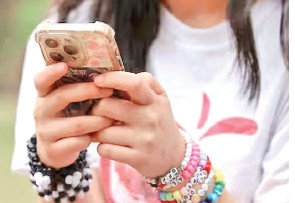
The United States is preparing to introduce additional screening measures for foreign travellers as the Trump administration intensifies its crackdown on both legal and illegal immigration. A new proposal published in the Federal Register outlines plans to make social media disclosures mandatory for individuals entering the country under the Visa Waiver Programme. The move comes at a time when Washington has already delayed H-1B visa interviews until March and expanded social media scrutiny for work visa applicants and their dependants.
Under the new proposal, the US Customs and Border Protection agency would require travellers using the Electronic System for Travel Authorisation to provide details of their online activity for the past five years. The Visa Waiver Programme covers visitors from more than 40 countries, including France, Germany, Australia, Japan, South Korea, Singapore, Qatar, Israel and the United Kingdom, allowing stays of up to 90 days. Applicants already provide information such as passport details, birth dates and criminal history. The latest proposal would add social media usernames, contact information, biometrics including facial data, fingerprints, DNA and eye scans, as well as personal information about family members.
The authorities say the changes are aimed at strengthening national security. The public has been given 50 days to offer feedback before the administration moves ahead. The CBP has clarified that applications can still be submitted without penalty if a traveller does not use social media, but false information could lead to visa denial and future ineligibility.
Although India is not part of the Visa Waiver Programme, similar requirements have already been extended to Indian visitors. In June, the US Embassy in New Delhi announced that all visa applicants must disclose all social media handles used in the last five years on the DS-160 form. The embassy warned that misrepresentation could have serious consequences. The administration has also stepped up scrutiny of foreign students. Several have faced deportation, including some accused of expressing sympathy for Palestinians during the conflict in Gaza.
The push for heightened monitoring follows a recent shooting incident in Washington, DC, involving an Afghan national accused of attacking two National Guard members. One later died. Officials have cited the incident as evidence of the need for tighter controls. A CBP spokesperson said the proposal is only the first step in exploring policy options to protect the country.
Civil liberties groups have criticised the initiative. Free speech advocates say the expanded surveillance sets a troubling precedent. Sarah McLaughlin of the Foundation for Individual Rights and Expression said that requiring temporary visitors to disclose years of online activity undermines confidence in the United States’ stated commitment to free expression. The Electronic Frontier Foundation warned that the policy risks deepening threats to civil liberties. Immigration lawyers say the proposal could deter travel and chill political expression, arguing that the administration appears to be using social media reviews to assess ideological leanings rather than security risks.
The timing is notable, as the United States prepares to host major international events including the 2026 FIFA World Cup and the 2028 Summer Olympics. Millions of visitors from football-loving nations in Europe and Asia are expected. Travel industry experts fear that intrusive screening could discourage tourism at a moment when American cities rely heavily on visitor revenue. Reports already indicate a steep decline in tourist arrivals since Trump returned to office in January 2025.
President Trump has reiterated that safety and security remain the administration’s top priorities. His first executive order upon returning to the White House instructed officials to prevent entry to anyone showing what it described as hostile attitudes toward American institutions or values. The order also suggested that a lack of social media presence could itself be seen as grounds for suspicion.
Critics argue that this approach risks damaging America’s image and its economy, but the administration remains firm in its belief that stricter measures are needed.
A fire in a hut in Nonapar village of Deoria district claimed three lives, including those of a...
Amit Shah paid tribute to police personnel who died in the line of duty at the National Police...
Reduced water levels at Har Ki Pauri and other Haridwar ghats have inconvenienced pilgrims during the Upper Ganga...
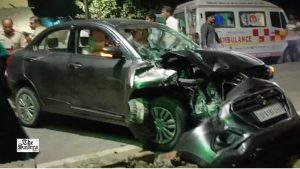
Six people returning from a Dussehra Mela were seriously injured when a car hit them on National Highway...
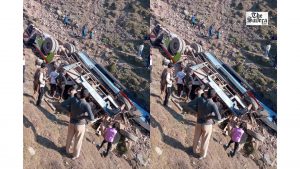
A bus travelling from Pachiound to Ramnagar fell into a gorge at Gulli Gula in Udhampur district. Nine...
Start your day with The Savera Morning Brief, bringing you the latest news from India and around the...
Aries: The day will be auspicious...