Last Updated: October 15, 2026
Last Updated: October 15, 2026





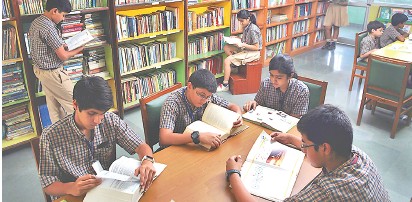
In an age dominated by screens, instant information, and shrinking attention spans, the habit of reading books is slowly fading among young students. Yet, reading remains one of the most powerful tools for intellectual growth, emotional maturity, and lifelong learning. Developing a strong reading culture among students is not merely an academic necessity; it is a social and developmental imperative that shapes how young minds think, feel, and engage with the world.
First and foremost, book reading strengthens cognitive and language skills. Regular exposure to books improves vocabulary, sentence structure, and comprehension far more effectively than short digital content. When students read bookswhether fiction, non-fiction, or academic textsthey encounter complex ideas, nuanced language, and varied writing styles. This enhances their ability to articulate thoughts clearly, write effectively, and communicate with confidence. Strong language skills, in turn, directly influence performance across subjects, from science and mathematics to social sciences.
Reading also plays a critical role in developing critical thinking and analytical abilities. Unlike passive consumption of visual media, reading demands active engagement. Students must imagine settings, interpret characters’ motivations, follow arguments, and connect ideas. This process trains the brain to think deeply, question assumptions, and evaluate information logically. In a time when misinformation spreads rapidly, students who read regularly are better equipped to distinguish fact from opinion and develop independent viewpoints.
Beyond academics, books nurture emotional intelligence and empathy. Literature allows young readers to step into lives different from their own—across cultures, histories, and social realities. By experiencing characters’ struggles, hopes, and failures, students learn to understand emotions, appreciate diversity, and develop compassion. This emotional awareness is essential for building healthy relationships, resolving conflicts peacefully, and becoming socially responsible individuals.
A strong reading culture also supports mental well-being. Reading offers a constructive escape from daily pressures, academic stress, and constant digital stimulation. For many students, books provide comfort, inspiration, and a sense of companionship. Studies have shown that reading can reduce stress, improve focus, and promote emotional stability. In contrast to endless scrolling on social media, reading encourages calm reflection and sustained attention—skills increasingly rare but deeply valuable.
Another crucial benefit of reading is its role in fostering curiosity and a love for learning. When students read beyond textbooks, they discover new interests, ideas, and possibilities. A child who reads about space may develop an interest in astronomy; another who reads biographies may feel inspired by social reformers, scientists, or writers. This natural curiosity often leads to self-driven learning, which is far more effective than learning driven solely by exams or grades.
Reading also strengthens moral reasoning and values. Many books—especially literature for young readers—explore themes such as honesty, resilience, justice, and responsibility. Through stories, students learn life lessons in subtle yet lasting ways. Unlike direct moral instruction, narratives allow students to reflect, interpret, and internalize values based on experience and understanding.
Despite these benefits, the reading culture among students faces serious challenges. Easy access to smartphones, short-form videos, and entertainment-driven content has reduced patience for long-form reading.
Academic pressure often limits reading to exam-oriented material, leaving little space for pleasure reading. To reverse this trend, parents, schools, and society must work collectively.
Schools should create dedicated reading periods, well-stocked libraries, and book clubs that encourage discussion rather than rote learning. Teachers can recommend age-appropriate and engaging books, not just curriculum texts. Parents play an equally important role by modeling reading habits at home, limiting excessive screen time, and encouraging conversations about books.
Public libraries, community reading programs, and affordable access to books can further strengthen this ecosystem.
In conclusion, cultivating a reading culture among young students is an investment in the future. Books shape thoughtful learners, empathetic citizens, and confident individuals capable of navigating an increasingly complex world. While technology will continue to evolve, the value of reading remains timeless. Encouraging students to read today ensures not just academic success, but the development of informed, imaginative, and responsible human beings tomorrow.
Congress leaders and workers in Dehradun raised slogans outside Lok Bhavan on Thursday regarding the infamous Ankita Bhandari...

New Delhi: The Delhi High Court on Thursday recorded the assuarance by Delhi Polices promise that all legal...

New Delhi: The Ministry of Defence on Thursday said it has signed contracts worth Rs 4,106 crore for...

Patna: An Excise Department constable was killed after suspected liquor smugglers and an alleged accomplice opened fire on...

New Delhi: Amid the ongoing protests, investigators have found that certain elements backed by Pakistan launched a multi-layered...

Good Afternoon Viewers! Stay updated with The Savera Times Afternoon Bulletin, bringing you the latest news from Punjab,...

Aries: The day will be auspicious...