Last Updated: October 21, 2026
Last Updated: October 21, 2026





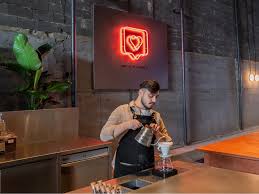
Cafés were once simple spaces meant for a quick cup of tea or coffee. People stopped by briefly, drank their beverage, and moved on with their day. Today, cafés have evolved into multi-purpose spaces that serve as informal offices, social hubs, creative corners, and places of relaxation. Their growing popularity reflects broader changes in how people work, socialise, and unwind in modern life.
One of the main reasons cafés have transformed is flexibility. Unlike traditional workplaces or restaurants, cafés do not impose strict rules on how long a customer can stay. People can sit for hours with a laptop, a book, or even just their thoughts. Freelancers, students, and remote workers often choose cafés as workspaces because they provide a balance between structure and freedom. Reliable internet access, comfortable seating, and background noise create an environment that many find more productive than working from home.
The atmosphere of cafés also plays a key role. Unlike silent libraries or formal offices, cafés offer a lively yet relaxed setting. The sound of conversations, the clinking of cups, and soft music create a sense of movement without being distracting. For many, this environment sparks creativity and focus. It allows people to feel connected to the world around them while still working independently.
Cafés have also become popular meeting places. Friends gather to catch up, colleagues discuss ideas, and families spend quiet moments together. Casual dates often unfold over coffee because cafés feel less formal and more comfortable than restaurants. There is no pressure to order full meals or leave quickly, which makes conversations feel more natural. This accessibility has made cafés an important part of social life, especially in urban areas.
Design and aesthetics have further strengthened the appeal of cafés. Modern cafés pay close attention to lighting, furniture, and layout. Warm lighting, wooden tables, plants, and cosy seating arrangements make spaces inviting. Many cafés are designed to encourage people to stay longer, offering charging points, comfortable chairs, and well-spaced tables. The décor often reflects creativity and personality, making each café feel unique.
The rise of specialty beverages has added another dimension. Coffee and tea are no longer just drinks; they have become experiences. Customers now explore different coffee beans, brewing methods, and flavours. Menus include options such as cold brews, handcrafted lattes, herbal teas, and seasonal drinks. This variety has turned beverage choices into a form of personal expression. For some, learning about coffee origins and preparation methods has become a hobby.
Technology has also shaped café culture. Digital payment options make transactions quick and easy. Social media has helped cafés reach wider audiences by showcasing their interiors, drinks, and ambience. Many people choose cafés based on online recommendations or visual appeal. Posting photos of coffee cups and café spaces has become a common way to share daily moments.
Beyond work and socialising, cafés represent a pause in daily life. In fast-paced cities, they offer a moment of rest and reflection. People visit cafés to read, think, or simply enjoy being present. This sense of comfort and familiarity provides emotional value beyond what is served in a cup.
In many ways, cafés mirror modern lifestyles. They adapt to changing work patterns, social habits, and personal needs. More than places to drink coffee, cafés have become spaces where people feel relaxed, productive, and connected. Their role in everyday life continues to grow, making them an essential part of contemporary culture.
We are very proud that at present India is the number one country in the world by surpassing...
Every investor wants the wealth-creating power of equity and the reassuring stability of debt. Balanced Advantage Funds attempt...

Tourism is a major source of government revenue in our country. There are different types of tourism. Scenic...
Good Evening Viewers! Catch up on the day's biggest stories with The Savera Times Evening Bulletin. Get the...

Congress leaders continued their protest outside the Jaipur Police Commissionerate on Tuesday, demanding the registration of a zero...
On the auspicious occasion of Vijayadashami, Prime Minister Narendra Modi on Tuesday called on the countrymen to unite...
Aries: The day will be auspicious...