Last Updated: September 19, 2026
Last Updated: September 19, 2026





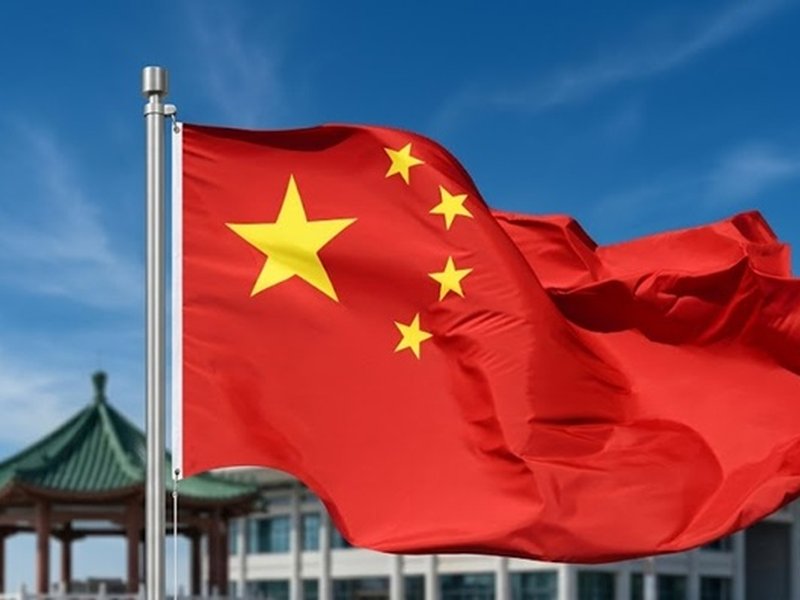
China is Iran’s most important economic partner, but Beijing has shown limited interest in linking its broader Middle East strategy closely with Tehran. The relationship between the two countries remains significant, particularly in trade and energy, but recent diplomatic interactions suggest that China is maintaining a cautious distance from Iran.
During the BRICS+ summit in Delhi last week, Chinese President Xi Jinping maintained a low-profile interaction with Iranian President Masoud Pezeshkian. There was no reported public interaction between the two leaders during the summit, despite China and Iran often being described as strategic partners.
Xi spent less than a day in India, meeting Prime Minister Narendra Modi and promoting support for his security governance initiative among Global South countries. There were no reports of a bilateral meeting between Xi and Pezeshkian.
A similar pattern was reportedly visible at the Shanghai Cooperation Organisation (SCO) summit in Bishkek, Kyrgyzstan, last month. Xi held formal meetings with Russian President Vladimir Putin, Uzbek President Shavkat Mirziyoyev and Kyrgyz President Sadyr Japarov. Pezeshkian, meanwhile, had a brief meeting on the sidelines and received comparatively less public attention.
The relationship between China and Iran has traditionally been driven largely by economic interests. China has benefited from access to Iranian oil, while Iran has relied on Chinese goods, trade and revenues from its exports.
Iran sends more of its exports to China than to any other country and is also heavily dependent on Chinese imports. However, the economic relationship remains highly unequal in scale. Iran accounts for less than 1 per cent of China’s global trade.
The two countries signed a 25-year comprehensive cooperation agreement in 2021, covering areas including energy, infrastructure, trade and security. However, despite the agreement, investment flows between China and Iran have remained limited.
China’s approach reflects the complexity of its wider Middle East policy. While Beijing maintains economic relations with Tehran, it also has extensive commercial and diplomatic interests with other countries in the region. A closer alignment with Iran could potentially complicate those relationships.
The distinction between China’s relationship with Iran and its ties with Russia is also notable. Xi has publicly demonstrated a more visible relationship with Russian President Vladimir Putin, including formal meetings and diplomatic engagement at major international gatherings.
The MBN Great Powers Index places Iran closer to China than any other country in the Middle East and North Africa (MENA) region. However, the data also illustrates why the relationship should not necessarily be viewed as a conventional political or military alliance.
For Beijing, maintaining economic access to Iranian energy and markets remains important, but China also appears to be cautious about being perceived as closely aligned with Tehran on wider geopolitical issues.
Thus, China-Iran relations continue to be substantial, but their foundation remains primarily economic. Beijing’s recent diplomatic behaviour suggests that it is seeking to preserve its relationship with Iran while keeping enough strategic space to pursue its broader interests across the Middle East and the Global South.
Donald Trump says the US has reached a deal with Denmark and Greenland to expand its military presence...
US President Donald Trump said he expects multiple deals with Chinese President Xi Jinping as the two leaders...
Riyadh: Explosions were heard in the Saudi capital Riyadh early Saturday. Local residents received air defence alerts via...
Washington: President Donald Trump will put Iran’s nuclear ambitions at the centre of his United Nations diplomacy next...
Washington: President Donald Trump has renewed a $100,000 fee for certain H-1B visa applications and ordered closer scrutiny...
A collision between an Indian Navy warship and Pakistan Navy vessel PNS Hunain in the North Arabian Sea...
Aries: The day will be auspicious...