Last Updated: October 13, 2026
Last Updated: October 13, 2026





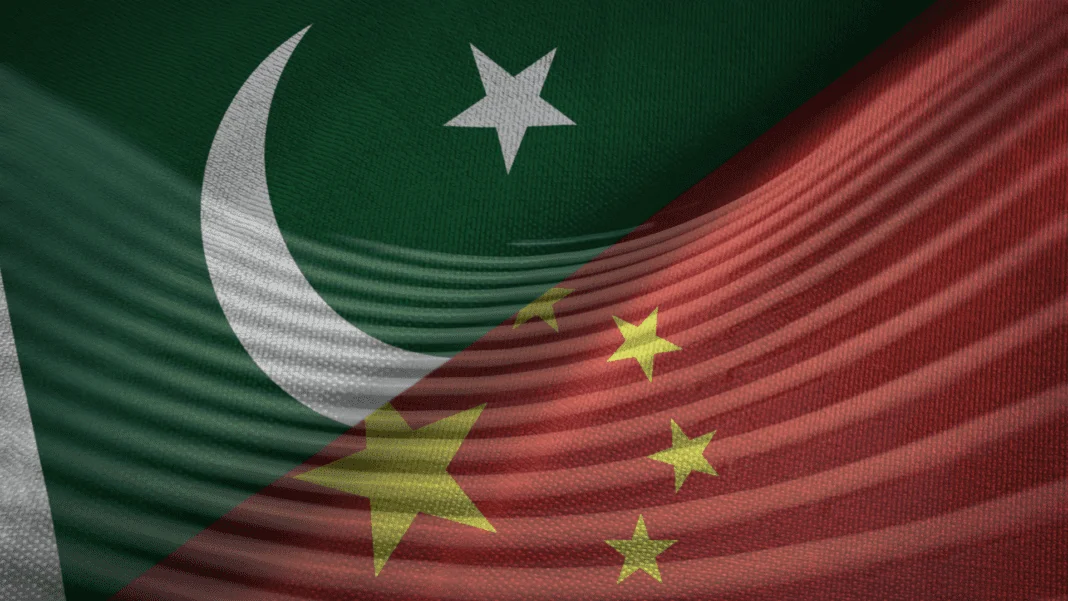
The China-Pakistan Economic Corridor which was projected for close to a decade as being a game changer for the Pakistani economy has instead turned out to be “a heavily securitised network of incomplete infrastructure, mounting debt obligations, stalled industrial zones, and growing frustration on both sides. The branding of “CPEC 2.0” today is less an indication of renewal and more an attempt to politically salvage a project that has failed to meet its own strategic and economic promises. The original framework of CPEC, valued at around $62 billion, included highways, power plants, rail infrastructure, port development, and special economic zones spread across Pakistan. Beijing’s f lagship of the Belt and Road Initiative promised industrial and functioning governance structures. Several Chinese-backed coal and power projects were implemented through agreements that guaranteed high returns to Chinese firms in dollars. These agreements became increasingly expensive as Pakistan’s currency weakened and the country’s broader economic crisis deepened. By 2025, Pakistan’s circular debt crisis had reportedly left billions in unpaid dues owed to Chinese power producers. Estimates linked to Chinese independent power producers without building the industrial transformation, regional connectivity, energy security, and the rise of Gwadar as a major commercial hub linking western China to the Arabian Sea. However, the model was ecosystem necessary to generate durable economic returns. Roads and ports alone do not create growth unless they flawed from the beginning because it prioritised visible infrastructure over longterm economic sustainability. Pakistan imported largescale Chinese financing and construction capacity are connected to productive industries, stable exports, alone crossed $7 billion. Instead of solving structural problems in Pakistan’s power sector, CPEC added another layer of financial liability onto an already fragile system. Pakistan’s balance of payments crisis, repeated IMF negotiations, and foreign exchange shortages exposed how vulnerable the corridor model actually was. Chinese loans and investments did create infrastructure, but they did not generate the export competitiveness required to sustain repayment obligations. This gap between construction and economic productivity sits at the heart of the CPEC problem. It highlights the failure of Gwadar to take off as a commercial port as the original plans envisaged as another Dubai or Singapore which would be the hub of global trade. At the same time, the security situation surrounding CPEC has deteriorated sharply. Chinese engineers and workers have increasingly become targets of militant attacks, particularly in Baluchistan where insurgent groups view the corridor as a form of external extraction imposed on local populations without meaningful economic inclusion
A major train accident occurred on Tuesday in the Multan district of Pakistan's Punjab province. At least four...
Canadian Foreign Minister Anita Anand will arrive in New Delhi on an official visit on Tuesday. During her...

International human rights organization Amnesty International has expressed serious concern over the alleged arbitrary arrests of prominent leaders...
US President Donald Trump says Vladimir Putin may be more willing than Volodymyr Zelenskyy to reach a peace...

A magnitude 6.1 earthquake struck Panama early Tuesday at a depth of 10 kilometres. The tremor followed a...

US President Donald Trump has indicated the possibility of meeting North Korean leader Kim Jong Un during his...
Aries: The day will be auspicious...