Last Updated: September 24, 2026
Last Updated: September 24, 2026





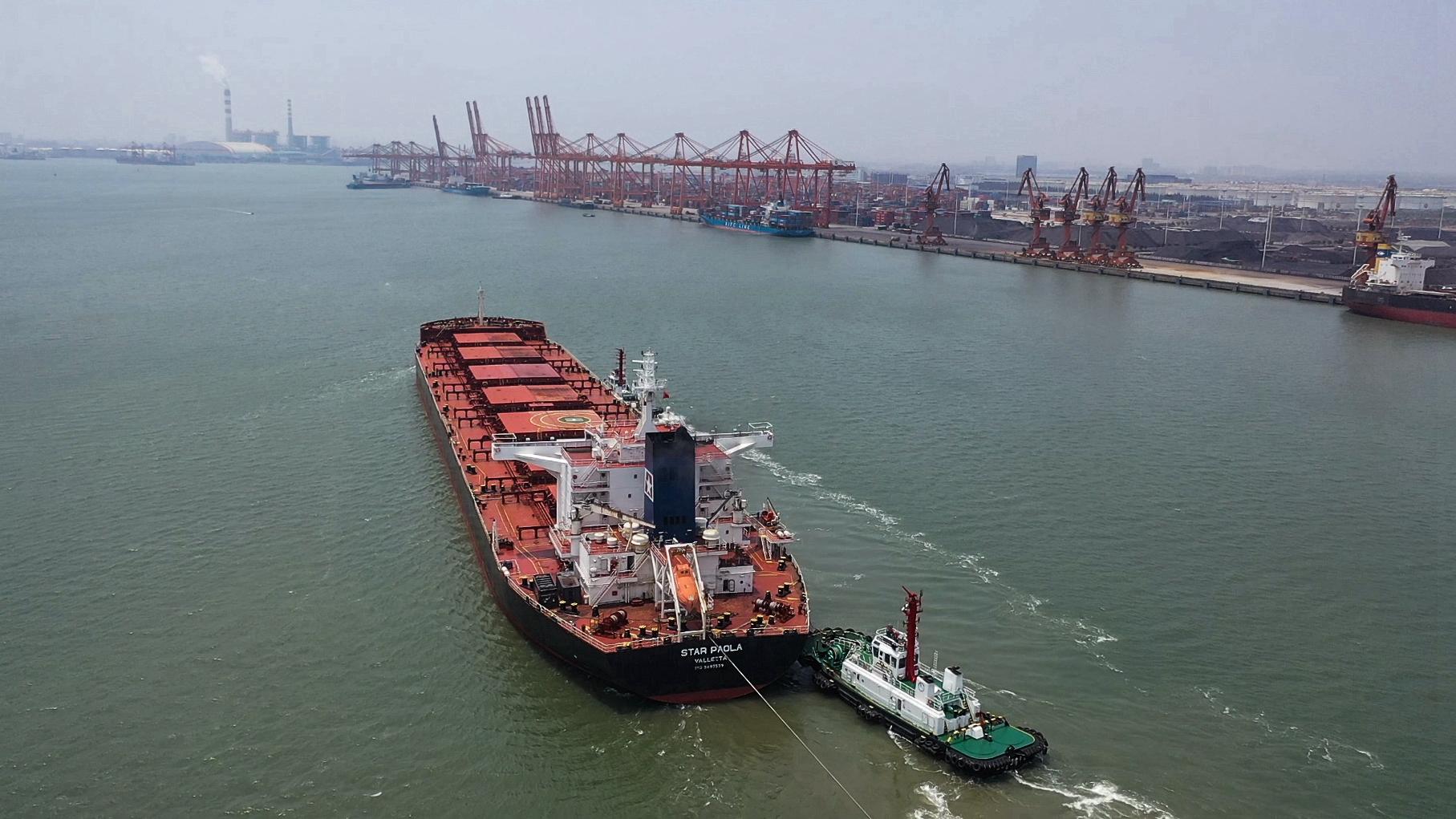
China has met with some successes but also many failures in its attempts at economic influence. Subversive carrot tactics have allowed China to make inroads in places where leaders can act with relative impunity, such as Cambodia, but have backfired in countries where leaders face accountability mechanisms such as the Philippines.
Beijing’s economic statecraft succeeded in the case of vetoing a multilateral statement, as with Cambodia’s support within the Association of Southeast Asian Nations (ASEAN) for the Chinese position on the South China Sea.
On the level of strategic influence, subversive inducement attempts, such as bribing politicians, bypassing regulations, or cutting corners, have had negative effects on China’s global image, which is counterproductive as it tries to position itself as a great power that ostensibly promotes “win-win” cooperation.
China has used carrots to achieve short-term transactional goals, such as getting Greece and Hungary to veto a multilateral EU statement critical of China. It has also been able to buy silence and acquiescence, among both governments and companies, on issues that Beijing cares about, such as the horrific human rights abuses and extralegal detention of Uyghurs in Xinjiang.
While not fundamentally winning hearts and minds or creating new allies, Beijing has used economic statecraft to divide and conquer. In present-day Germany, it is seen that the political influence of business groups such as the auto giants invested in continued economic ties with China alongside internal divisions among politicians and key ministries on national strategy toward China.
Creating divisions helps to inhibit the formation of a US-led coalition to counter China’s behaviour and influence, and slows any concerted policy shifts away from the status quo of China’s centrality in the global economy and critical supply chains.
Is China’s use of economic statecraft unique, or does its strategy borrow from well-established playbooks? Compared to Washington’s tendency to focus on sanctions and coercive aspects of economic statecraft, China has been quite concerted and sustained in its use of positive inducements – using trade, investment, and aid to entice countries to fall in line with Beijing’s foreign policy interests.
In Malaysia, despite previous pushback against corruption-tainted Chinese projects, an established record of other economically-beneficial Chinese investments has entrenched national and local politicians’ views of China’s economic importance along with their desire to minimise confrontation over issues such as the South China Sea disputes and the Uyghurs in Xinjiang.
German automakers dependent on the Chinese market often lobby for more cooperative policies toward Beijing. In March this year, the CEO of Mercedes-Benz, which sells more than a third of its cars in China, spoke out against a European Union anti-subsidy probe into China’s electric vehicle industry.
In this respect, Beijing appears “best able to achieve influence through the diffuse latency of economic interdependence”. China as a crucial economic partner remains a compelling narrative and a powerful draw for many countries, and often conditions the attitudes and decisions of many political leaders.
Saudi Arabia issued civil defence alerts for Mecca, Jeddah, Yanbu, Tabuk and Taif, warning of potential danger and...

Pakistan carried out fresh airstrikes in Afghanistan's Kandahar, Paktia and Khost provinces, with the Taliban claiming four civilians...

Nepal has begun deporting 88 Chinese nationals over alleged visa violations and is investigating 329 more who entered...

Washington: Two Republican lawmakers urged President Donald Trump to press China for reliable access to its soybean and...

A deep depression formed in the Bay of Bengal hit the coast of North Andhra Pradesh and South...

US President Donald Trump gave Chinese President Xi Jinping a rare airport welcome, as Washington announced a two-month...
Aries: The day will be auspicious...