Last Updated: October 15, 2026
Last Updated: October 15, 2026





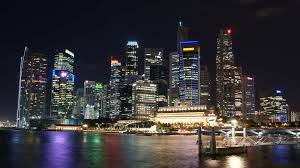
Cities have always drawn people with the promise of opportunity. From ancient trade hubs to modern megacities, urban centers have been magnets for ambition, innovation, and cultural exchange. Despite rising living costs, congestion, and environmental pressures, cities continue to grow. Understanding why people are still drawn to urban life reveals much about human aspirations and social structures.
One of the primary attractions of cities is economic opportunity. Urban areas concentrate industries, businesses, and services that generate employment. People migrate to cities seeking better wages, career growth, and financial stability. While competition can be intense, cities offer diverse job markets that rural areas often cannot match.
Cities also provide access to education and skill development. Universities, research institutions, training centers, and cultural organizations are typically concentrated in urban spaces. This creates environments where learning and innovation thrive. For young people, cities represent gateways to personal and professional growth.
Cultural diversity is another defining feature of urban life. Cities bring together people from different backgrounds, languages, and traditions. This diversity enriches social life through food, music, art, and shared experiences. Exposure to different cultures fosters tolerance and creativity, making cities dynamic social ecosystems.
Infrastructure and services further enhance urban appeal. Cities offer better access to healthcare, transportation, entertainment, and public utilities. While these systems may be strained, they still provide conveniences that many smaller towns lack. Proximity to services saves time and expands lifestyle choices.
Urban environments also act as centers of innovation. New ideas often emerge where people interact frequently. Cities facilitate collaboration across disciplines, fueling technological and social advancements. Startups, creative industries, and research initiatives flourish in dense urban settings.
Despite these benefits, cities face serious challenges. Housing shortages, pollution, traffic congestion, and social inequality threaten quality of life. Rising costs push lower-income residents to the margins. Addressing these issues requires thoughtful urban planning and inclusive policies.
Yet, cities are resilient. They continuously adapt through infrastructure upgrades, public transport systems, green spaces, and digital solutions. Urban planners increasingly emphasize sustainability, walkability, and community-oriented design. These efforts aim to make cities more livable and equitable.
Another reason cities endure is the sense of possibility they offer. Cities symbolize progress and reinvention. People move to cities not just for jobs, but for experiences, connections, and the chance to redefine themselves. This emotional pull remains powerful.
The future of cities will depend on how they respond to current challenges. Balancing growth with sustainability, inclusivity with innovation, is essential. If managed well, cities will continue to attract people as centers of opportunity and human interaction.
Cities are more than crowded spaces; they are living systems shaped by human ambition. Despite their problems, they continue to embody hope, movement, and transformation.
Suva: India and Fiji on Thursday held discussions focused on deepening bilateral ties and reaffirmed their shared commitment...

Bokaro (Jharkhand): The protest by trained youth from displaced families affected by the Bokaro Steel Plant (BSL) intensified...
Varanasi: Uttar Pradesh Chief Minister Yogi Adityanath, on a two-day visit to Varanasi, honoured sanitation workers from the...
New Delhi: India’s pharmaceutical sector performed exceptionally well in September 2026, recording the highest monthly growth in the...

Prime Minister Narendra Modi on Thursday inaugurated and dedicated to the nation five major development projects worth approximately...
New Delhi: The Supreme Court on Thursday issued notice to the Election Commission of India (ECI) on a...
Aries: The day will be auspicious...