Last Updated: October 15, 2026
Last Updated: October 15, 2026





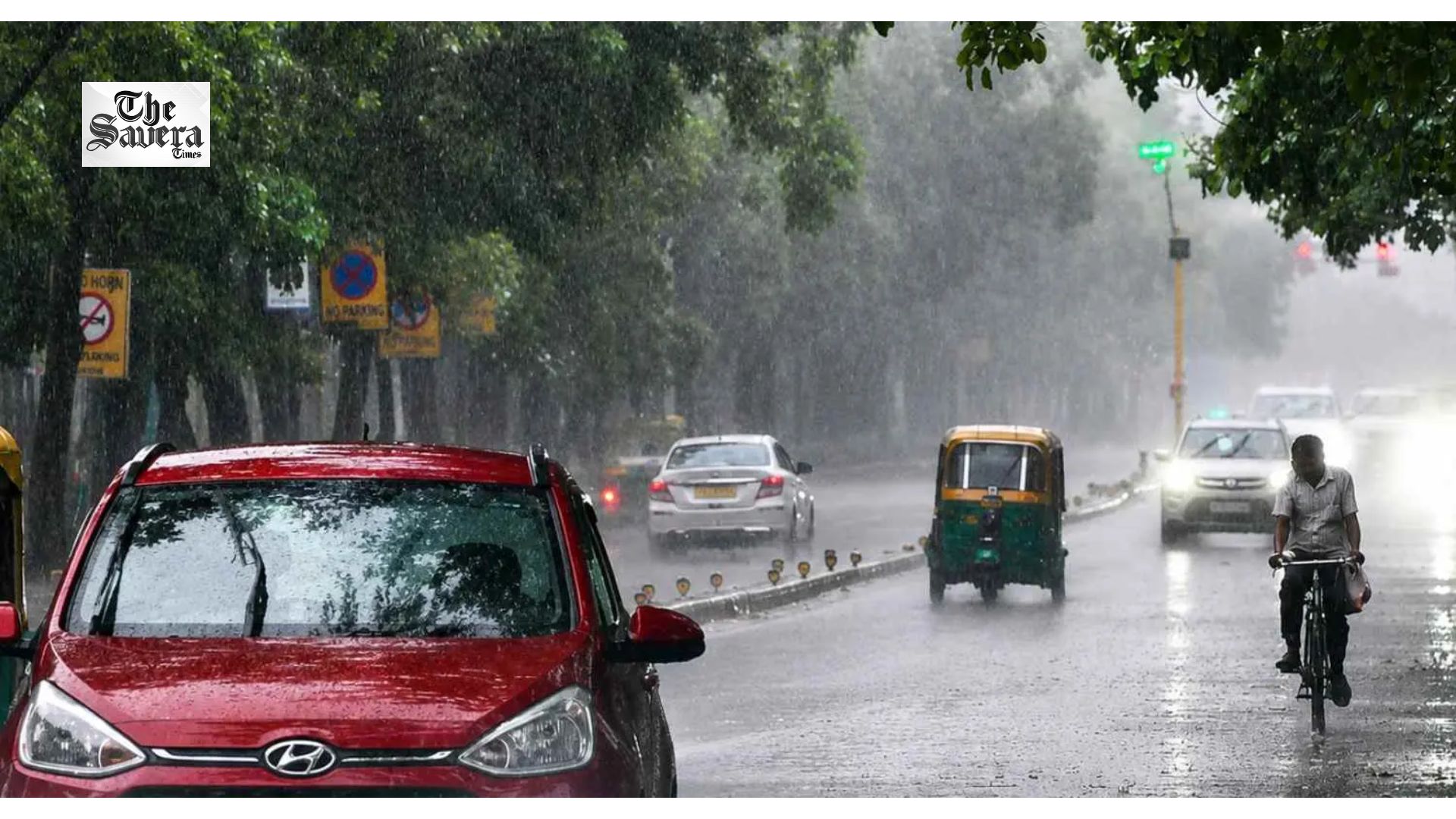
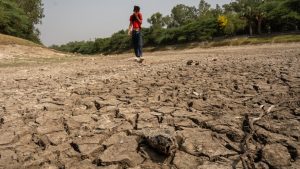
According to what the Union Ministry of Agriculture and Farmers Welfare said , around 315 districts could be affected by a ‘weak’ or ‘uncertain’ monsoon and a possible ‘super’ El Niño. Of these, 147 districts, or about 47 per cent across 25 states/ Union Territories (UTs) are currently recording deficient rainfall according to an analysis of cumulative rainfall between June 1 and August 30, 2026. The 315 districts have been classified into three categories based on their irrigation coverage. Of these, 111 are ‘high priority’ districts, with less than 25 per cent of their area under irrigation, making them the most vulnerable to a weak monsoon. Another 76 districts are classified as ‘medium priority’, with irrigation coverage between 25 and 50 per cent. The remaining 128 districts are ‘low priority’, with more than 50 per cent irrigation coverage or relatively better access to water through dams and other infrastructure. The analysis shows that 40 of the 147 districts recording deficient or large-deficient rainfall are among the 111 ‘high-priority’ districts. These districts, spread across 18 states and UTs, face a higher risk of farm distress because of their limited irrigation coverage and dependence on rainfall. When nearly 75 per cent, or three-quarters, of the southwest monsoon season already over and now entering into its final month, around 36 per cent or more than one in three ‘high-priority’ districts or most vulnerable farm districts in India have received either deficient or large-deficient rainfall. The cumulative rainfall deficit in these districts indicates that the strengthening El Niño pattern might have impacted and led to deficit rains in areas where agriculture is particularly dependent on the monsoon. Four high-priority districts have entered the ‘large deficient’ rainfall category, meaning they have received 60 per cent or more ‘less rainfall than normal’. The sharpest rainfall deficit has been recorded in Ramanagara district of Karnataka. It received just 19 mm of rain since June 1, against a seasonal normal of 283.5 mm—a shortfall of 93 per cent, the worst among all high-priority districts. Ramanagara is one of four districts in the ‘large deficient’ category. The other three are in Arunachal Pradesh (two districts) and Meghalaya (one district). West Garo Hills in Meghalaya received just 412.5 mm against a seasonal normal of 1,488.2 mm—a shortfall of 72 per cent, making it the second-worst affected high-priority district after Ramanagara. In six states and UTs which include Andhra Pradesh, Karnataka, Meghalaya, Mizoram, Puducherry and Tamil Nadu, all 8 high-priority districts have received below-normal rainfall. Of these 8 high-priority districts, 6 recorded ‘deficient’ rainfall. Rainfall stress is the most in Assam, where seven of its eight high-priority districts or 88 per cent, recorded deficits ranging from 21 to 54 per cent. In Manipur, 60 per cent of highpriority districts are rainfall deficient, while in four states— Arunachal Pradesh, Jharkhand, Rajasthan and West Bengal, 50 per cent of the high-priority districts had deficient rains. In Maharashtra too, seven of its 22 high-priority districts have recorded rainfall deficits. While this accounts for 32 per cent of the high-priority districts, the rain deficit is in the range of 28 to 40 per cent. Deficit rains in the highpriority districts have impacted crops and farmers dependent on them. For instance, 26 per cent less rainfall than normal in the Nilgiris in Tamil Nadu reduced green leaf production in tea plantations and affected vegetable cultivation too due to low soil moisture. Garlic yields have fallen from 4 to 2 tonnes per acre, potato from 8 to 3 tonnes as per media report. The medium-priority districts, where 25 per cent to 50 per cent of farmland is irrigated, are also facing serious rainfall shortages. Of the 76 districts in this category, 43 or 57 per cent have recorded deficient or large-deficient rainfall. These districts are spread across 13 states and UTs. Rainfall shortages are spreading across key agricultural belts, with districts such as Hassan in south Karnataka. With 63 per cent below normal rainfall, the district faces a drought-like situation, the farmers are under stress and are unable to grow ragi as per a media report. Nalbari district in Assam has recorded a massive rainfall deficit of 61 per cent. The staggering 67 per cent monsoon deficit in North Garo Hills of Meghalaya leaves rain-fed agriculture there on the brink of collapse. Rain deficit means reduction in soil moisture that would be a risk to the paddy harvest in the region. Furthermore, a prolonged dry spell could lower discharge from natural springs, the primary source of drinking water for the rural areas. These shortages could put both food security and farm incomes at risk. Low-priority status (more than 50 per cent irrigation) is not a shield against severe atmospheric drought. Among the 128 low-priority districts, 64—or half—have recorded deficient or large-deficient rainfall Irrigation alone cannot make up for a prolonged lack of monsoon rain in these districts, which is also important for recharging groundwater and other water sources. For instance, Tamil Nadu’s Krishnagiri district categorised as medium priority, received 40 per cent less rainfall than normal, leaving farmers in deep distress, with around 90 per cent of the groundnut crop damaged by drought. According to the latest assessment by the India Drought Monitor, 39.8 per cent of India’s area is currently under drought. This is an expansion of 1.0 percentage point compared to the previous week’s 38.9 per cent.
The weather took a turn in Punjab on Wednesday morning. Pathankot experienced heavy rain in the morning. A
A fresh spell of snowfall has transformed the higher reaches of Manali into a picturesque winter landscape, with...
Continuous heavy rains in many parts of the country have triggered floods and landslides.
A depression over the Bay of Bengal is expected to intensify into a deep depression and cross the...

More than half of September has passed, and the monsoon is about to depart. This year, the threat...
There is a crucial link between environment and health and the current status of Delhi stands as a...

Aries: The day will be auspicious...