Last Updated: October 11, 2026
Last Updated: October 11, 2026






For decades, India’s growth story was closely tied to its metropolitan cities. Jobs, education, and investment were concentrated in a handful of urban centres, drawing millions of people away from smaller towns. Today, that pattern is slowly changing. Small towns across India are emerging as centres of opportunity, offering livelihoods, entrepreneurship, and improved quality of life.
One major factor behind this shift is improved connectivity. Better roads, rail networks, and digital infrastructure have reduced the gap between metros and smaller towns. Reliable internet access has enabled remote work, online education, and digital businesses, allowing people to stay closer to home while remaining economically active.
The expansion of local industries has also played a role. Small manufacturing units, food processing centres, textile hubs, and service enterprises are increasingly located outside major cities. Lower land costs and availability of local labour make small towns attractive for investment.
Education access has improved significantly. Universities, medical colleges, and technical institutes are now spread across districts rather than limited to metros. This allows students to pursue higher education without migrating far from their families, reducing financial and social strain.
Entrepreneurship is another growing trend. Small-town entrepreneurs are using digital platforms to sell products nationwide. Artisans, farmers, and small business owners are accessing wider markets through e-commerce and social media, overcoming traditional geographical limitations.
Quality of life is a key advantage. Compared to congested cities, small towns offer cleaner air, shorter commutes, and stronger community networks. Housing is more affordable, and daily expenses are generally lower. These factors are attracting professionals seeking a balanced lifestyle.
Healthcare services have also improved. District hospitals, private clinics, and telemedicine services have expanded access to medical care. While challenges remain, early diagnosis and treatment are more accessible than in the past.
Cultural continuity is another strength. Small towns preserve local traditions, languages, and social practices while adapting to modern needs. Festivals, local markets, and community events continue to shape social life, offering a sense of belonging often missing in large cities.
However, growth must be managed carefully. Sustainable planning, environmental protection, and inclusive development are essential to ensure that small towns do not replicate the problems faced by overcrowded cities.
The rise of small towns reflects a more distributed model of development. By creating opportunities closer to where people live, India is gradually reducing migration pressure on metros and fostering balanced regional growth.
As infrastructure and services continue to expand, small towns are poised to play a central role in India’s future.
CJP founder Abhijeet Dipke and co-convenors Saurav Das and Ashutosh Ranka were released on October 11 after preventive...

Chennai Traffic Police have announced diversions for commercial and heavy vehicles until 4:30 pm on Sunday due to...

YouTuber Dhruv Rathee was released after being detained ahead of the CJP protest at Jantar Mantar. Police had...

Catch up on the latest headlines with The Savera Morning Brief, bringing you important news from India and...

The CJP clarified that a petition circulating on social media over the alleged detention of its leaders was...
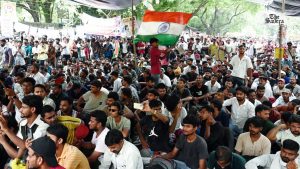
CJP founder Abhijeet Dipke and leaders Saurav Das and Ashutosh Ranka were placed under preventive arrest amid security...

Aries: The day will be auspicious...