Last Updated: October 13, 2026
Last Updated: October 13, 2026





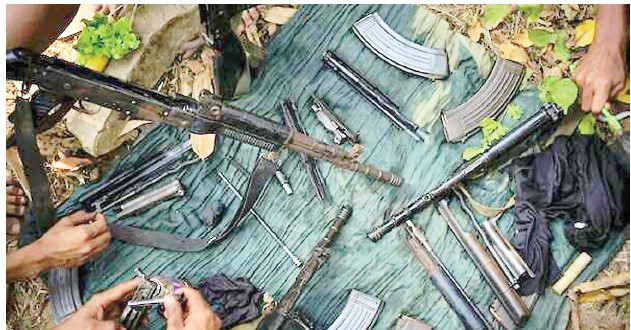
Myanmar is setting up what it calls general elections in late December and early January even though the country is deep in civil war and large parts of it are not under government control. On the surface, it seems contradictory: holding a vote when fighting and instability make ordinary life precarious and where rebel groups control huge chunks of territory. But the reasons go beyond simply ticking a democratic checkbox.
The military, which seized power in a coup in February 2021, argues that elections are a step toward restoring civilian rule and normal governance after years of emergency rule. The junta deposed the internationally recognised government led by Aung San Suu Kyi after her party won a landslide victory in a 2020 election. Since then, opposition has splintered into armed resistance and ethnic forces that control territories the military cannot reach, making a nationwide vote impossible under current conditions. The junta’s own leaders have openly said they cannot hold polls everywhere because of the conflict. In practice, voting will take place only in areas the military believes it can secure, leaving many regions out of the process. This fragmented approach highlights both the limits of the elections and the ongoing reality of the civil war.
A deeper motivation is legitimacy. Four years after the coup, the military’s rule has faced international condemnation, sanctions and diplomatic isolation. By staging elections, even in a flawed form, the junta hopes to rebrand itself domestically and abroad as a constitutional government rather than a junta clinging to power by force. It’s an attempt to show that the country is returning to some version of normal political process. This strategy also taps into constitutional guarantees that reserve a quarter of parliamentary seats for the military, ensuring it keeps significant influence no matter the civilian vote.
Critics see the elections very differently. Many opposition parties, including the party that dominated past elections, have been banned or dissolved, and leaders remain imprisoned. The election landscape is tightly controlled, with only junta-approved parties able to contest widely. Observers, both domestic and international, argue this is a managed process designed to perpetuate military dominance rather than genuinely reflect the will of the people. There are fears that holding elections in such conditions will deepen mistrust, fuel further conflict and give the junta a veneer of legitimacy without addressing the underlying causes of the war.
For ordinary citizens, the stakes are real. In many places, the threat of violence and coercion complicates participation, and the ongoing conflict means that millions remain displaced or disenfranchised. While neighbouring countries and some regional blocs have urged inclusiveness and dialogue, the election is unfolding amid widespread scepticism about whether it will bring peace or simply entrench the status quo. In short, Myanmar’s elections are less about ending conflict and more about political survival and legitimacy for the military leadership, set against the backdrop of a civil war that shows no sign of abating.
Good Evening Viewers! Stay updated with The Savera Times Evening Bulletin for the latest news from Punjab, India...

eader of the Opposition in the Lok Sabha, Rahul Gandhi and 10 other INDIA bloc leaders have moved...
Amidst protests in central Delhi, the Delhi Metro Rail Corporation (DMRC) announced the reopening of entry and exit...
The Delhi Police has registered an FIR regarding the alleged disturbance at the Bangla Sahib Gurdwara in...

The Delhi Police on Monday removed Jantar Mantar from the list of officially designated protest sites. The police...

The Supreme Court on Monday clarified that it has not passed any judgment on the Election Commission's (ECI)...

Aries: The day will be auspicious...