Last Updated: September 29, 2026
Last Updated: September 29, 2026





-Abhishek Vij
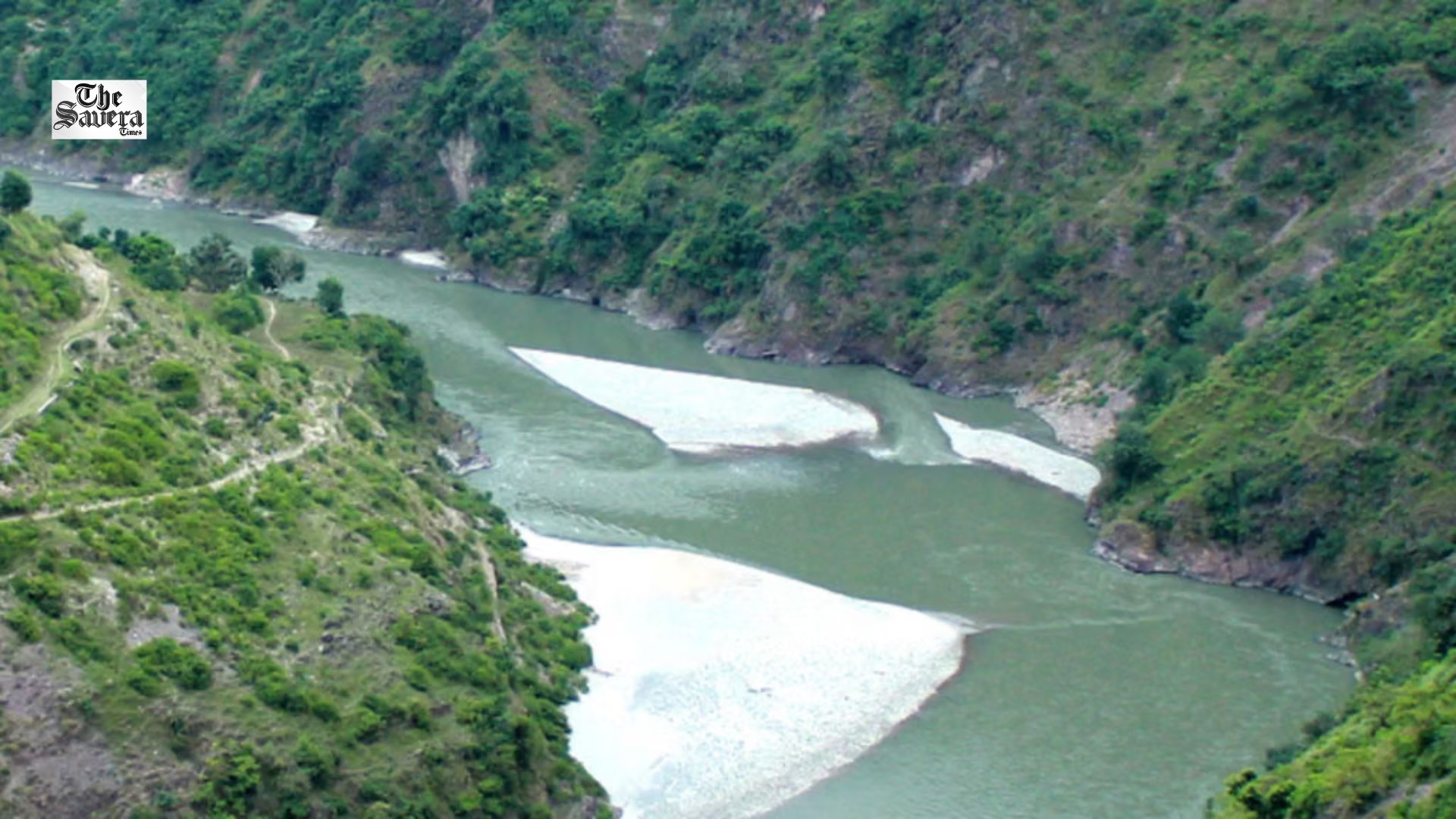
Recently, an ambitious multipurpose Kishau Dam project was announced in the Yamuna River basin to address the water crisis in six states. In addition to alleviating the water crisis, it also provided for addressing the power shortages in the six states. This agreement was signed on September 15th in New Delhi in the presence of Union Home Minister Amit Shah and Union Water Power Minister CR Patil. The six states of Uttar Pradesh, Uttarakhand, Haryana, Himachal Pradesh, Rajasthan, and Delhi will benefit from this project. The Chief Ministers of these states signed the agreement. However, Punjab was not included in this agreement by the central government, and Punjab will not receive any benefits from this project. Punjab finds this very objectionable. The Aam Aadmi Party (AAP) has also strongly objected to this, citing legal grounds that Punjab should also receive water benefits under the 1954 Yamuna River Agreement. Punjab’s rights were also recognized at that time. The Kishau Dam project is being built on the Tons River on the border of Himachal Pradesh and Uttarakhand. The Tons is a major tributary of the Yamuna. This project will have a water storage capacity of 1562 MCM (million cubic meters). Haryana will receive 633 MCM of this water. Yes, the same Haryana that has an ongoing dispute with Punjab over the Sutlej-Yamuna Link Canal water sharing. This dispute has become history. Punjab clearly states that it does not have a single drop of surplus water. Haryana has already built its share of the link canal up to the Punjab border and is lobbying Punjab through the courts to release water.
Construction of the canal in Punjab began during the tenure of Pratap Singh Kairon, but Captain Amarinder Singh’s government cancelled the agreement. Farmers in Punjab have now begun cultivating the canal portion of the canal. Punjab is under judicial pressure to release Sutlej water to Haryana, but why has Punjab been excluded from the project being built on the Tons River, a tributary of the Yamuna? The Punjab government has prepared to approach the Supreme Court in protest. An Aam Aadmi Party spokesperson says that excluding Punjab from this crucial project is a grave injustice, which Punjab cannot accept under any circumstances. The water crisis is worsening, and disputes over water sharing are also increasing, yet there is no water. This is a worrying situation for an agricultural state.
Modi once proposed connecting the country’s main river, the Ganga, with all other rivers, creating a seamless flow of water throughout the country, ensuring no state faces a water crisis. However, this suggestion remained only a proposal. Many other water management schemes also failed at the proposal stage. Even if a project is initiated, controversies often arise. Now, Punjab is demanding its share of the Kishau project, but through the courts. Meanwhile, this year, a weak monsoon caused by the Super El Niño effect has reduced the area under paddy cultivation. This has now raised another concern. The lack of paddy cultivation, coupled with water shortages, was bound to be unacceptable to the state government and its people.
Punjab: The Punjab Public Service Commission (PPSC) has released the combined merit list for the recruitment of 101...
Thousands of Congress workers staged a protest in Ferozepur, demanding CEC Gyanesh Kumar’s resignation and raising allegations over...

Aam Aadmi Party (AAP) Punjab Media In-charge Baltej Pannu on Sunday invited Punjabis from across the state to...

Chief Minister Bhagwant Singh Mann on Sunday reiterated that Sri Akal Takht Sahib is supreme for all of...
15 buses carrying devotees to these religious destinations were flagged off from Hoshiarpur by Aam Aadmi Party National...

Punjab Chief Minister Bhagwant Mann on Monday directed Director General of Police Gaurav Yadav to visit Lovely Professional...

Aries: The day will be auspicious...