Last Updated: September 22, 2026
Last Updated: September 22, 2026





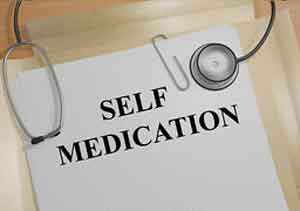
Self-medication is a global phenomenon and a potential contributor to antimicrobial resistance. The adverse consequences of such practices should be highlighted among communities, along with steps to curb them. The irrational use of antimicrobials without medical guidance may increase the likelihood of inappropriate, incorrect or unnecessary treatment, missed diagnoses, delays in receiving appropriate care, pathogen resistance and increased morbidity.
Besides these risks, self-medication can also lead to financial wastage and often fails to deliver the desired therapeutic outcome.
Major problems associated with self-medication include the wastage of healthcare resources, particularly in resource-limited settings, increased pathogen resistance and serious health hazards such as adverse drug reactions and prolonged suffering.
Prolonged illness can further increase out-of-pocket expenditure on treatment. Antimicrobial resistance is a global concern, particularly in developing countries where antibiotics may be available without a prescription.
Therefore, the government should take necessary steps to promote responsible self-medication and ensure the safe availability of medicines, clear instructions for their use and access to medical consultation whenever required.
Self-medication is common in India and is influenced by several factors, including education, gender, socioeconomic status, sympathy towards family members who fall ill, lack of time to seek healthcare, availability and accessibility of health services, affordability, ignorance, misconceptions, extensive advertising and the availability of medicines outside authorised drug shops.
“Further research could be designed in India in order to explore more insights about self-medication, especially with respect to health spending, resource wastage, cost-benefit ratio, common illnesses for which patients choose self-medication, sources of care, etc. Efforts are also required to estimate the costs involved in self-medication and its effectiveness,” said Dr PR Sodani, Pro President, IIHMR University, Jaipur.
Several mechanisms can help address the problem of self-medication. These include public health awareness programmes highlighting the harmful effects of self-medication at various levels of the healthcare system, continuing medical education for community pharmacists, pharmacists, nursing staff, medical professionals and paramedical personnel.
Other measures include developing a framework for the continuous review and monitoring of medicinal products based on safety, efficacy and potency. Such monitoring can support the enforcement and implementation of laws and regulations governing medicines.
Interventions should also be planned to promote the rational use of medicines through mass media, including television, magazines and newspapers.
There is a crucial link and health and the current status of Delhi stands as a testimony to...

(Can we remove pain forever) A young woman, Ivy, once entered past-life regression therapy because her present relationship...
Scientists at the University of California, San Francisco (UCSF) and the University of California, Berkeley have identified two...
Are you wondering why your waistline is expanding? Don’t watch what you eat; watch how you eat. People...

The Central Drugs Standard Control Organization (CDSCO) has issued a public health alert regarding the sale of certain...
India is the world’s largest producer of coir and accounts for more than 80 per cent of global...
Aries: The day will be auspicious...