Last Updated: October 21, 2026
Last Updated: October 21, 2026





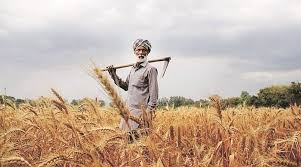
India often celebrates record foodgrain production as proof of agricultural success. Year after year, official data highlights bumper harvests and rising output. Yet behind these numbers lies a quieter reality: millions of small and marginal farmers are finding it increasingly difficult to survive.
Over 85 percent of Indian farmers own less than two hectares of land. For them, farming is no longer a reliable source of income. Rising input costs, unpredictable weather, and volatile market prices have eroded profits. Even in years of good production, farmers struggle to recover their investments.
Climate change has intensified risks. Erratic rainfall, heatwaves, and unseasonal storms regularly damage crops. Traditional farming calendars no longer hold, forcing farmers to gamble with sowing and harvesting decisions. Crop insurance schemes exist, but delays in assessment and compensation limit their effectiveness.
Market access remains another major challenge. Many farmers sell their produce through intermediaries who control prices. Minimum Support Price mechanisms cover only a limited number of crops and regions, leaving most farmers exposed to market fluctuations. For perishable produce, distress sales are common.
Debt continues to haunt rural households. To manage expenses, farmers borrow from informal lenders at high interest rates. When crops fail or prices crash, repayment becomes impossible, trapping families in cycles of indebtedness. This financial stress often spills over into health and education outcomes.
Government welfare schemes have provided some relief through direct income support and subsidized inputs. However, experts argue these measures treat symptoms rather than structural flaws. Without reforms in land management, irrigation, market access, and climate resilience, small farmers will remain vulnerable.
Agricultural economists emphasize diversification as a way forward. Shifting toward horticulture, allied activities, and value-added products could increase incomes. Strengthening farmer producer organizations may also improve bargaining power.
As India pursues food security for a growing population, the survival of small farmers cannot be an afterthought. Productivity gains mean little if those who feed the nation cannot sustain themselves.
Good Evening Viewers! Catch up on the day's biggest stories with The Savera Times Evening Bulletin. Get the...

Congress leaders continued their protest outside the Jaipur Police Commissionerate on Tuesday, demanding the registration of a zero...

On the auspicious occasion of Vijayadashami, Prime Minister Narendra Modi on Tuesday called on the countrymen to unite...

A historic milestone was achieved on Tuesday in the expansion of Chhattisgarh's rail networkA historic milestone was achieved...

Model Shraddha Dubey, one of the main accused in the death of Lucknow businessman Shiv Sharma, has been...

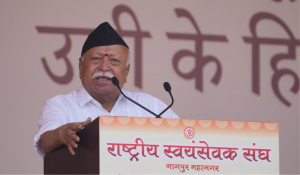
Rashtriya Swayamsevak Sangh (RSS) chief Mohan Bhagwat on Tuesday called for strengthening national unity, social harmony, indigenous practices...
Aries: The day will be auspicious...