Last Updated: October 21, 2026
Last Updated: October 21, 2026





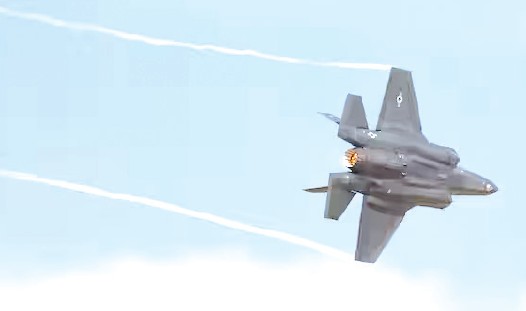
Saudi Crown Prince Mohammed bin Salman’s upcoming visit to Washington DC marks a pivotal moment in the evolving geopolitics of the Middle East. Since the killing of journalist Jamal Khashoggi in 2018, the prince’s international engagements have been scrutinized intensely, and his trip to the United States is no exception. Beyond diplomatic optics, the visit carries immense strategic and economic significance, with the potential sale of F-35 stealth fighter jets to Saudi Arabia taking center stage.
The F-35 is not just another aircraft. Developed collaboratively by the United States and several allied nations, it is often described as the “quarterback” of the skies, integrating advanced intelligence, precision strike capability, and interoperability with ground, naval, and drone forces. Its stealth features make it particularly valuable in regions of high tension, while its advanced sensors and long-range strike ability provide an unparalleled edge in modern aerial warfare. For Saudi Arabia, acquiring the F-35 represents both a leap in defense capability and a symbolic assertion of regional influence.
Riyadh’s strategic calculus is shaped by its concerns over Iran and affiliated groups, alongside broader ambitions to secure long-term military alignment with the United States. The crown prince’s visit also coincides with a broader economic agenda, including activating a $600 billion investment commitment that encompasses defense, technology, and infrastructure projects. Military procurement is therefore intertwined with economic diplomacy, highlighting the dual objectives of security enhancement and investment attraction.
Yet the sale is far from straightforward. Israel, as the sole regional operator of the F-35, must retain its qualitative military edge, a legal and strategic requirement for the United States. The introduction of such advanced aircraft in Saudi hands could shift the delicate balance in the Gulf. Israeli officials have expressed cautious acceptance, partly because delivery is expected years in the future, providing time to adjust defense planning. Meanwhile, Congress retains oversight authority, with any potential export subjected to intense scrutiny due to technological sensitivity.
China’s growing engagement with Saudi Arabia adds another layer of complexity. U.S. officials are concerned that Beijing could indirectly access critical F-35 technology, similar to the controversy surrounding Turkey’s removal from the program in 2019. Operational restrictions, software limitations, and technology neutralization measures may be imposed to prevent potential leaks, just as past sales of U.S. aircraft to the Gulf involved adjustments to safeguard Israeli and American interests.
Beyond defense, the visit highlights Saudi Arabia’s ambition to diversify its economy and energy sector. Talks include potential collaboration on civilian nuclear technology under the U.S. “123 agreement” framework, alongside investments in AI, cloud infrastructure, and other technology sectors. For the United States, securing this partnership strengthens influence in the Gulf, balances Iranian activity, and counters China’s growing presence.
Ultimately, the crown prince’s Washington visit is a careful exercise in strategic diplomacy. The F-35 represents not only a military upgrade but also a tool of economic leverage, a signal of long-term U.S.-Saudi alignment, and a potential shift in the balance of power across West Asia. How the U.S. navigates the intersecting demands of Israel’s security, technological safeguarding, and regional stability will determine whether this high-stakes engagement becomes a turning point for both nations and the broader Middle East.
Pakistan's Defense Minister Khawaja Asif has questioned alleged plans by senior government officials to permanently settle abroad. He...
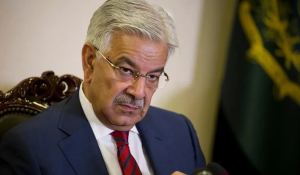
The Baloch Liberation Army (BLA) has claimed responsibility for carrying out 34 operations between October 9 and 20...

Russian President Vladimir Putin said on Wednesday that Russia's first tanker carrying 40,000 tons of diesel fuel will...
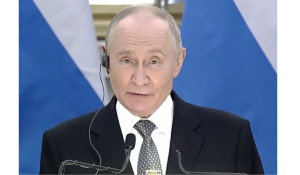
Ten people were killed and 44 others injured in a horrific road accident in Pakistan's Punjab province. The...
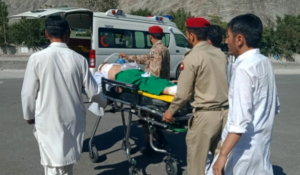
North Korean leader Kim Jong-un's influential sister, Kim Yo-jong, and a military marshal inspected fortification work along the...

New Delhi: US Secretary of State Marco Rubio has assured India that America’s relations with any country in...
Aries: The day will be auspicious...