Last Updated: October 21, 2026
Last Updated: October 21, 2026





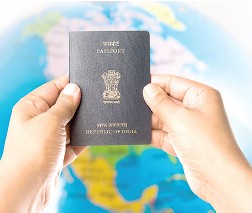
Across villages and small towns in India, migration has become both a dream and a gamble. Thousands of young Indians, many of them educated, are leaving home each year through legal and illegal routes, hoping to secure jobs abroad. For many families, migration is no longer about ambition alone—it is about survival.
Rising unemployment, shrinking public sector opportunities, and stagnant wages have created a deep sense of uncertainty among youth. Even graduates struggle to find stable work, while inflation steadily erodes household incomes. In such conditions, migration appears to offer an escape from economic stagnation.
But the journey is often brutal. Young men and women borrow heavily to pay agents who promise visas, jobs, or safe passage. Families sell land, mortgage homes, or take high-interest loans. When things go wrong—detentions, deportations, or deaths along dangerous routes—the emotional and financial costs are devastating.
Recent deportations of Indian nationals from countries like the United States have exposed the risks of irregular migration. Many migrants spend months in detention, returning home with nothing but debt and stigma. Families describe the pain of watching dreams collapse overnight, leaving behind trauma that lingers long after the headlines fade.
Despite these dangers, the migration cycle continues. Experts say this reflects a deeper structural failure. India’s economy, while growing on paper, has not generated enough quality jobs to absorb its young workforce. The mismatch between education and employment leaves millions feeling trapped. Social pressures also play a role. In many communities, working abroad is associated with success and status. Remittances fund weddings, houses, and education, reinforcing the belief that migration is worth the risk.
Failed migrants, however, are rarely discussed openly. Women are increasingly part of this migration story, particularly in healthcare and caregiving sectors. While legal pathways exist, many still face exploitation, poor working conditions, and isolation abroad. Their stories often remain invisible. Addressing unsafe migration requires more than border controls or deportations. It demands investment in domestic employment, transparent recruitment systems, and bilateral labor agreements that protect workers’ rights. Without meaningful change, the long road home will continue to be marked by loss, debt, and broken promises
We are very proud that at present India is the number one country in the world by surpassing...
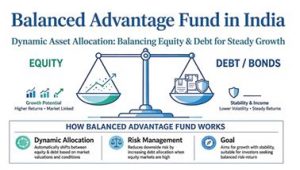
Every investor wants the wealth-creating power of equity and the reassuring stability of debt. Balanced Advantage Funds attempt...
Tourism is a major source of government revenue in our country. There are different types of tourism. Scenic...

Good Evening Viewers! Catch up on the day's biggest stories with The Savera Times Evening Bulletin. Get the...

Congress leaders continued their protest outside the Jaipur Police Commissionerate on Tuesday, demanding the registration of a zero...
On the auspicious occasion of Vijayadashami, Prime Minister Narendra Modi on Tuesday called on the countrymen to unite...
Aries: The day will be auspicious...