Last Updated: October 13, 2026
Last Updated: October 13, 2026





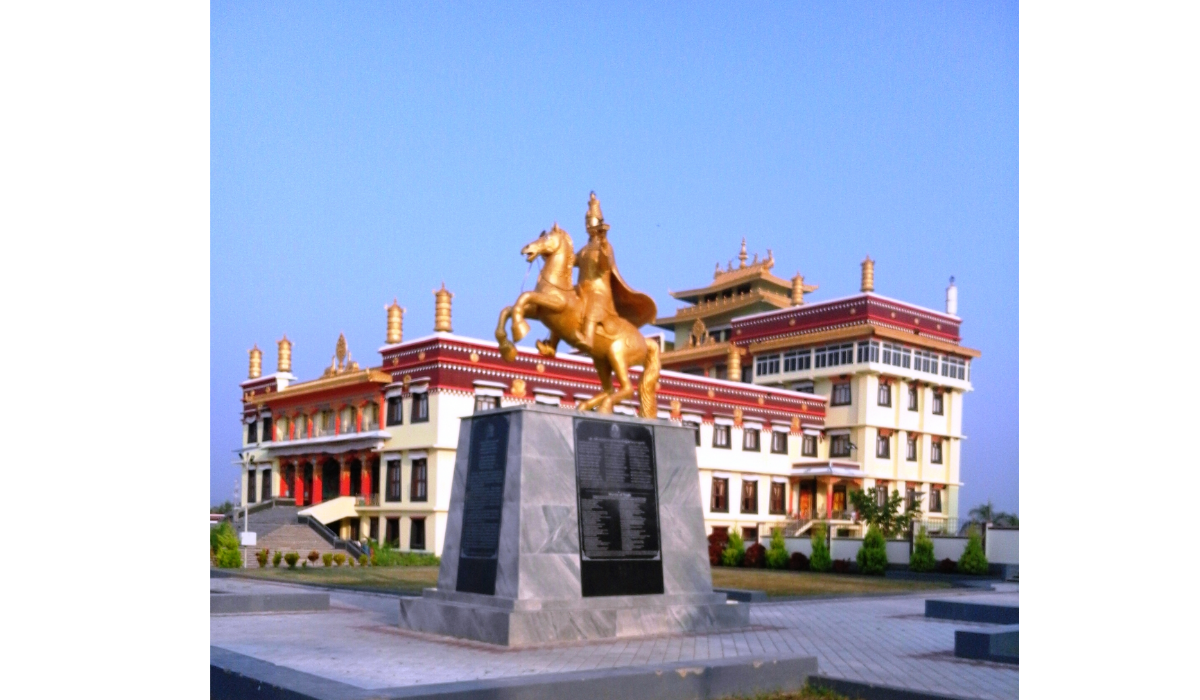
For over six decades, Tibetans in exile have ensured that the international community does not forget the people whose homeland has remained under occupation and community members living abroad have the responsibility to shape the narrative to keep Tibet relevant in international discourse. Tibetans have been living in various parts of the world, including Australia, India and Europe, and this dispersion is not a weakness but a strength, as it allows them access to parliaments, universities, media organisations, and civil society networks there, which Tibetans residing in Tibet cannot do freely. Tibetans living abroad, by holding protests, engaging with government and voicing their opinion against human rights abuses, ensure that Tibet remains relevant in international discourse, Khedroob Thondup, nephew of the 14th Dalai Lama. The Tibetan government-in-exile, organisations in New York and London, and student groups in universities around the world work as nodes in a network of resistance around the world. Their work makes Tibet a universal issue about human rights, cultural survival, and the dignity of oppressed people. Tibetans living in exile carry stories of escape, resilience, and survival, and their stories resonate with people across the world. They are the storytellers of resistance and remind the people around the world that Tibet is not an abstraction but people. The Tibetan diaspora embodies the paradox of exile: absence from the homeland, yet presence everywhere else. Their task is not only to remember Tibet but to make Tibet impossible to forget. Whether through political advocacy, cultural preservation, or moral storytelling, the diaspora must continue to act — because the survival of Tibetan identity depends on it. The choice is stark: fade into silence, or remain the heartbeat of a nation in exile. The diaspora must choose the latter, every single day. In July, Tibetan activist Lobga Rangzen died after self-immolating outside the United Nations headquarters in New York. The tragic incident unfolded a day after China’s new legislation, the “Promoting Ethnic Unity and Progress Law”, came into force. This legislation has drawn widespread criticism from the global community, with UN experts warning that it risks “entrenching forced assimilation and encouraging transnational repression”.
US President Donald Trump says Vladimir Putin may be more willing than Volodymyr Zelenskyy to reach a peace...

A magnitude 6.1 earthquake struck Panama early Tuesday at a depth of 10 kilometres. The tremor followed a...

US President Donald Trump has indicated the possibility of meeting North Korean leader Kim Jong Un during his...
Donald Trump has denied involvement in the federal investigation involving Congresswoman Ilhan Omar after agents searched her Washington...
Yemen's Houthis have claimed a new missile strike on Riyadh airport, while Iran has offered to facilitate dialogue...

As the United States and China intensify their competition for leadership in artificial intelligence (AI), a new study...
Aries: The day will be auspicious...