Last Updated: October 21, 2026
Last Updated: October 21, 2026





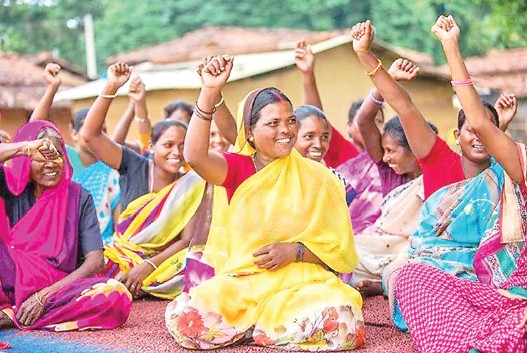
Women empowerment has become a widely used phrase in political speeches, corporate campaigns, and development programs. Yet, for millions of women, empowerment remains more of a promise than a lived reality. True empowerment goes beyond slogans—it requires structural change, equal opportunities, and sustained social commitment.
Education is the foundation of women empowerment. When girls receive quality education, they gain not only knowledge but confidence, independence, and choice. Educated women are more likely to participate in the workforce, make informed health decisions, and support the education of their own children. Despite progress, gender gaps in education persist in many regions, especially in rural and conflict-affected areas.
Economic independence is another key pillar. Access to jobs, fair wages, and financial resources enables women to break cycles of dependency. Women entrepreneurs, particularly in small businesses and self-help groups, have demonstrated remarkable resilience and innovation. However, barriers such as limited access to credit, lack of property rights, and workplace discrimination continue to restrict economic mobility.
Political participation remains an important yet underachieved aspect of empowerment. Women’s representation in decision-making bodies ensures that policies reflect diverse perspectives. While some countries have introduced reservations or quotas, meaningful participation requires more than numbers—it requires safe environments, leadership training, and public acceptance.
Social norms often present the greatest challenge. Deep-rooted beliefs about gender roles shape expectations around marriage, caregiving, and work. Women are frequently expected to balance professional responsibilities with unpaid domestic labor, limiting their opportunities for growth. Challenging these norms requires engaging not just women, but men, families, and communities.
Health and safety are also central to empowerment. Access to reproductive healthcare, protection from violence, and legal support are fundamental rights. Without safety and bodily autonomy, other forms of empowerment remain fragile. Strengthening legal systems and ensuring accountability are crucial steps toward lasting change.
Importantly, women empowerment is not a zero-sum game. Empowered women contribute to stronger economies, healthier families, and more inclusive societies. Studies consistently show that investing in women benefits entire communities.
Real empowerment is a process, not an event. It demands long-term commitment from governments, institutions, and individuals. When empowerment moves beyond symbolic gestures and addresses structural inequalities, it becomes a force capable of transforming societies.
We are very proud that at present India is the number one country in the world by surpassing...

Every investor wants the wealth-creating power of equity and the reassuring stability of debt. Balanced Advantage Funds attempt...

Tourism is a major source of government revenue in our country. There are different types of tourism. Scenic...

Good Evening Viewers! Catch up on the day's biggest stories with The Savera Times Evening Bulletin. Get the...

Congress leaders continued their protest outside the Jaipur Police Commissionerate on Tuesday, demanding the registration of a zero...

On the auspicious occasion of Vijayadashami, Prime Minister Narendra Modi on Tuesday called on the countrymen to unite...

Aries: The day will be auspicious...