Last Updated: October 1, 2026
Last Updated: October 1, 2026





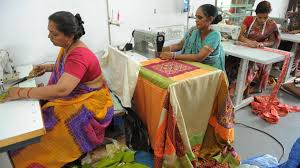
Not long ago, much of women’s work in India remained unseen. It was largely within households, family enterprises, and informal roles that rarely found mention in official records. Their contribution was constant, but recognition was limited.
That picture is now changing, reshaping the country’s labour landscape. The shift is visible in the data. The Periodic Labour Force Survey shows that female labour force participation has risen sharply, from 23.3 per cent in 2017–18 to 40 per cent in 2025. Rural India continues to lead this change, pointing to a deeper structural shift in how women engage with work, not just as occasional contributors, but as consistent economic participants.
This rise also reflects a broader expansion of employment opportunities and a steady movement towards formalisation in the labour market. But numbers only tell part of the story. Across villages and small towns, women are moving beyond traditional roles into entrepreneurship at an unprecedented scale. Under the Deendayal Antyodaya Yojana–National Rural Livelihoods Mission, more than 10 crore women households have been mobilised into self-help groups. What began as a pathway to financial inclusion has steadily evolved into a network of micro-enterprises, where women are producing, managing, and selling, often becoming primary earners within their households. This momentum is further reinforced by a renewed policy push to strengthen women-led enterprises.
Initiatives such as the Lakhpati Didi programme are focused on enabling women in self-help groups to scale their incomes sustainably, with the aim of creating crores of women entrepreneurs earning over Rs 1 lakh annually. Combined with expanded access to credit, skills, and market linkages, this marks a transition from participation to income security, where women are not just working, but building more resilient livelihoods. This transition from invisible labour to visible enterprise is quietly reshaping local economies.
The Savera Times Evening Wrap brings you the top India and world news, covering major developments across politics,...

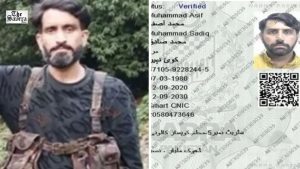
Pakistan-based LeT terrorist Mohammad Asif alias Hashim Moosa, wanted in the Pahalgam terror attack case, was killed in...
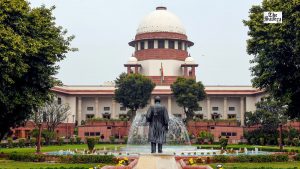
The Supreme Court has ruled out both a complete firecracker ban and unrestricted 24-hour use, indicating that permissible...
The Centre has approved higher MSP for all mandated Rabi crops for the 2027-28 marketing season, with safflower...
Traders’ organisations have withdrawn the October 2 “No UPI Day” protest after meeting Finance Minister Nirmala Sitharaman over...

Ahmedabad: A Nigerian national allegedly acted as a link between a Gujarat-based wanted accused and a wider drug...
Aries: The day will be auspicious...