Last Updated: October 22, 2026
Last Updated: October 22, 2026





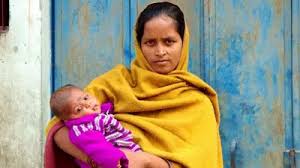
A new FAO report highlights that only 44 per cent of women of childbearing age in Sub-Saharan Africa achieved minimum dietary diversity (MDD) between 2019 and 2023, raising concerns about nutrition and global food security. The assessment, Tracking Progress on Food and Agriculture-Related SDG Indicators 2025, evaluated 22 indicators across six Sustainable Development Goals, including Zero Hunger (SDG 2) and Gender Equality (SDG 5).
Minimum dietary diversity measures the proportion of women aged 15–49 who consume at least five out of ten food groups, ranging from grains, pulses, and nuts to vegetables, fruits, eggs, and animal-source proteins. Globally, only 64.7 per cent of women met this standard, leaving one-third at risk of diets deficient in essential vitamins and minerals necessary for health, well-being, and productivity.
Regional disparities are pronounced. While Eastern and South-eastern Asia approaches the target at 84 per cent, Sub-Saharan Africa lags at 43.6 per cent. Central and Southern Asia report 47.7 per cent, and Oceania (excluding Australia and New Zealand) stands at 61.3 per cent. North America, Europe, Latin America, the Caribbean, Western Asia, and Northern Africa show moderate progress but remain short of global goals.
The FAO notes that minimum dietary diversity is closely linked to broader agrifood system factors, including the availability and affordability of nutritious foods and levels of food insecurity. Achieving global targets requires not only nutrition-specific interventions, such as promoting diverse diets and micronutrient intake, but also coordinated nutrition-sensitive policies addressing poverty, social protection, and equitable access to resources.
The report underscores the urgent need for global and regional action. Without concerted efforts, the world risks falling short of the 2030 Agenda on hunger, nutrition, sustainability, and equality. Minimum dietary diversity is not only a measure of nutrition but also a benchmark for broader social and economic development, highlighting the intersection of food systems, gender, and health.
FAO’s findings serve as a reminder that improving women’s diets is central to achieving sustainable, inclusive, and resilient food systems worldwide.
Good Evening Viewers! Get the latest updates from India and around the world with The Savera Times Evening...

Bharatiya Janata Party (BJP) National General Secretary Smriti Zubin Irani launched a scathing attack on Congress MP and...

New Delhi: Cockroach Janata Party (CJP) leaders Saurav Das and Ashutosh Ranka will be released from judicial custody...

According to police, three suspicious young men are seen in CCTV footage. Efforts are underway to identify them....

A video has surfaced of an alleged attempted assault on Jan Suraj Party's Bihar president Manoj Bharti. The...

Two accused have been convicted and sentenced to 10 years of rigorous imprisonment in a 2017 drug trafficking...

Aries: The day will be auspicious...