Last Updated: October 16, 2026
Last Updated: October 16, 2026





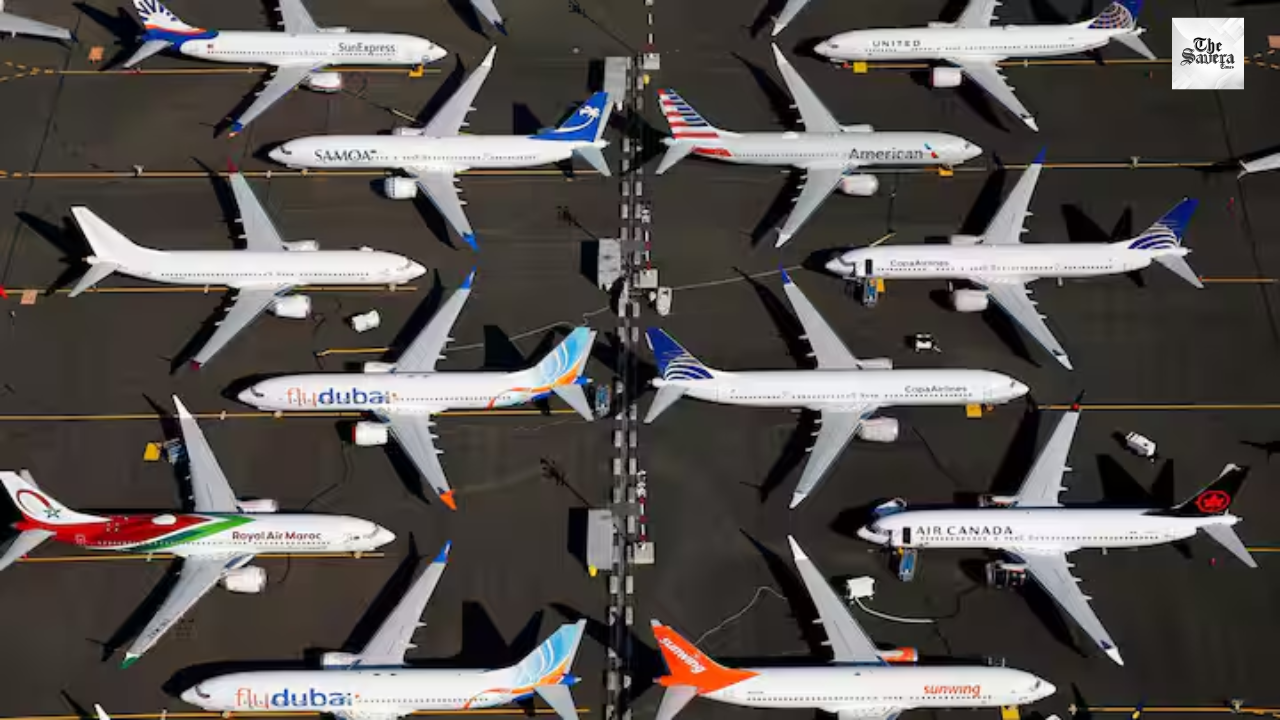
The global airline industry is facing its most severe crisis since the COVID‑19 pandemic, with more than $50 billion wiped off the market value of leading carriers as a result of the ongoing conflict involving the United States, Israel and Iran. This geopolitical turmoil has disrupted air travel, harmed investor confidence, and pushed airlines into financial distress.
Market capitalisation for the world’s 20 largest airlines has fallen by roughly $53 billion since the conflict intensified in late February, according to financial analysts. The value erosion reflects mounting concerns over future revenue, rising costs, and operational instability.
One of the most pressing impacts on airlines has been the dramatic surge in jet fuel prices, which account for about one‑third of an airline’s operating costs. With crude oil and jet kerosene prices climbing sharply due to supply concerns linked to the conflict and disruptions in energy corridors such as the Strait of Hormuz, carriers are facing soaring input costs that cannot be easily absorbed.
The spike in fuel costs has forced airlines to reconsider ticket pricing, adjust routes and increase fuel surcharges on many flights. Some airlines have already raised fares and warned passengers of further price increases if fuel prices remain elevated.
Airspace restrictions have compounded the industry’s troubles. Several countries across the Middle East and Gulf region including the UAE, Qatar, Bahrain and others temporarily closed or limited civil aviation corridors in response to heightened military threats.
These restrictions have led to grounded flights, rerouted services and extensive cancellations on key international travel lanes between Europe, Asia and Africa, straining airline operations, increasing flight durations and adding significant costs. Some carriers have had to divert flights over longer routes, raising both fuel use and passenger inconvenience.
Major aviation hubs and carriers have felt the financial shock acutely. Gulf‑based airlines such as Emirates, Qatar Airways and Etihad Airways were among those forced to suspend operations temporarily due to airspace closures, leading to loss of revenue and operational disruption.
Carriers in other regions have similarly seen stock prices fall as investors factor in rising costs and uncertain demand. For instance, Qantas Airways experienced notable share downturns linked to the conflict, highlighting the breadth of market impact.
Beyond financial losses, the conflict has disrupted global travel patterns and connectivity. Thousands of flights have been cancelled or delayed worldwide as airlines adjust to rapidly shifting safety advisories and airspace closures. This has led to logistical challenges for passengers, increased operational costs and significant pressure on airline networks.
Travel demand has also shifted, with some business and leisure routes seeing reduced bookings due to safety concerns, while others are burdened by longer flight paths and increased ticket costs.
Industry executives warn that if the conflict persists, the aviation downturn could deepen. Airlines may face sustained high fuel prices, prolonged airspace disruption, and weakened passenger appetite for certain international routes. Analysts suggest that the sector could see continued capacity reductions, fleet adjustments and strategic reevaluations as carriers adapt to the evolving landscape.
Governments and airline alliances are also monitoring the situation closely, with some anticipating potential rescue packages or policy support should the sector’s vulnerability intensify.
Air India and Air India Express have suspended flights to Riyadh, Jeddah and Dammam until October 20. IndiGo...

Manjit Singh Bedi, 64, has been returned to the United States after being arrested in India. He faces...

A Houthi attack on the al-Maashiq Presidential Palace in Aden killed five people and injured 16, amid intensifying...
A shooting at Silver Rail Elementary School in Bend, Oregon, left three children and a teacher dead. The...

Prime Minister Narendra Modi will visit Canada on December 11-12, 2026, with both countries aiming to strengthen strategic...

US Vice President JD Vance has warned that anyone found selling access to the White House should face...

Aries: The day will be auspicious...