Last Updated: October 5, 2026
Last Updated: October 5, 2026





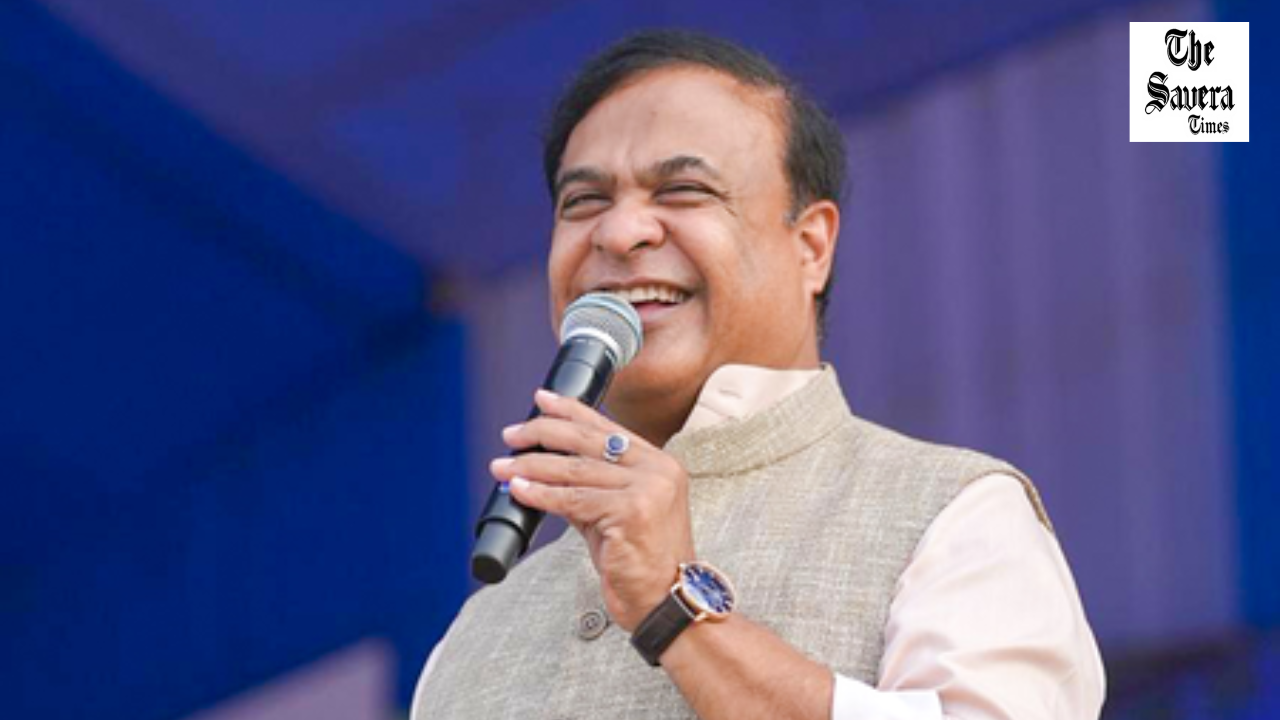
Guwahati, Feb 17 — In a significant policy decision, the Assam Cabinet has approved a 3 per cent reservation in government jobs for members of the Tea Tribes and Adivasi communities, aiming to improve their representation and socio‑economic status in the state’s workforce.
The reservation will be implemented across state government jobs, including Grade III and Grade IV posts, within the existing quota framework under the Other Backward Classes/Most Other Backward Classes (OBC/MOBC) category. This is part of the state government’s broader initiative to uplift historically marginalised communities.
According to an official government notification, 3 per cent of the cadre strength in Class‑III and Class‑IV state government positions will be reserved for eligible candidates from the Tea Tribes and Adivasi communities. These measures are intended to ensure adequate representation of these communities in public employment.
The notification further specifies that this reservation applies to direct recruitment processes, and authorities are required to maintain a reservation roster to allocate vacancies appropriately. If candidates from the designated communities are unavailable for certain reserved positions, the vacancies will be allocated to other OBC/MOBC candidates.
The Tea Tribe community descended from generations of labourers brought to Assam’s tea estates during British colonial rule has historically struggled with limited socio‑economic opportunities, despite forming a significant part of the state’s tea workforce.
In recent years, the Assam government has taken several steps to enhance welfare for these communities, including reservation in government job recruitment, reserved MBBS seats for students, and land rights initiatives for tea garden workers. Over 1,000 youths from Tea Tribes and Adivasi backgrounds have already been appointed to government posts under the reservation policy, with placements in sectors such as education, health, and police services.
Efforts are also underway to extend the reservation to Grade I and Grade II posts, opening pathways for higher‑level employment roles for eligible candidates from these communities.
Chief Minister Himanta Biswa Sarma has described the reservation decision as a step toward securing a dignified future for tea garden communities, providing employment opportunities that enhance economic stability and inclusion. Officials say the reservation is part of a larger strategy to address historical marginalisation and enhance social equity.
The move has been welcomed by community organisations and youth groups, who see it as an essential measure for representation and empowerment across Assam’s public sector.
As the reservation policy rolls out, authorities will continue monitoring its implementation across recruitment cycles to ensure transparency and effectiveness. The state government also plans further interventions under its inclusive development agenda for disadvantaged communities.
While the Union Territory of Jammu and Kashmir (J&K) drew international attention for its growing cultural and cinematic...

Arjuna’s sadness during the Kurukshetra War stems from his feeling that he is committing a sin. He feels...

It has become predictable for the leaders of Pakistan to sell a concocted narrative that hardly has any...

Uttarakhand Chief Minister Pushkar Singh Dhami has lashed out at the Congress, accusing it of “fabricating” issues, while...
Indian Prime Minister Narendra Modi isn’t considered one of the world’s most popular leaders for nothing. His personality...

It is better to be a Machchhar than a cockroach, and when life gives you a chance, choose...

Aries: The day will be auspicious...