Last Updated: November 1, 2026
Last Updated: November 1, 2026





-Abhishek Vij
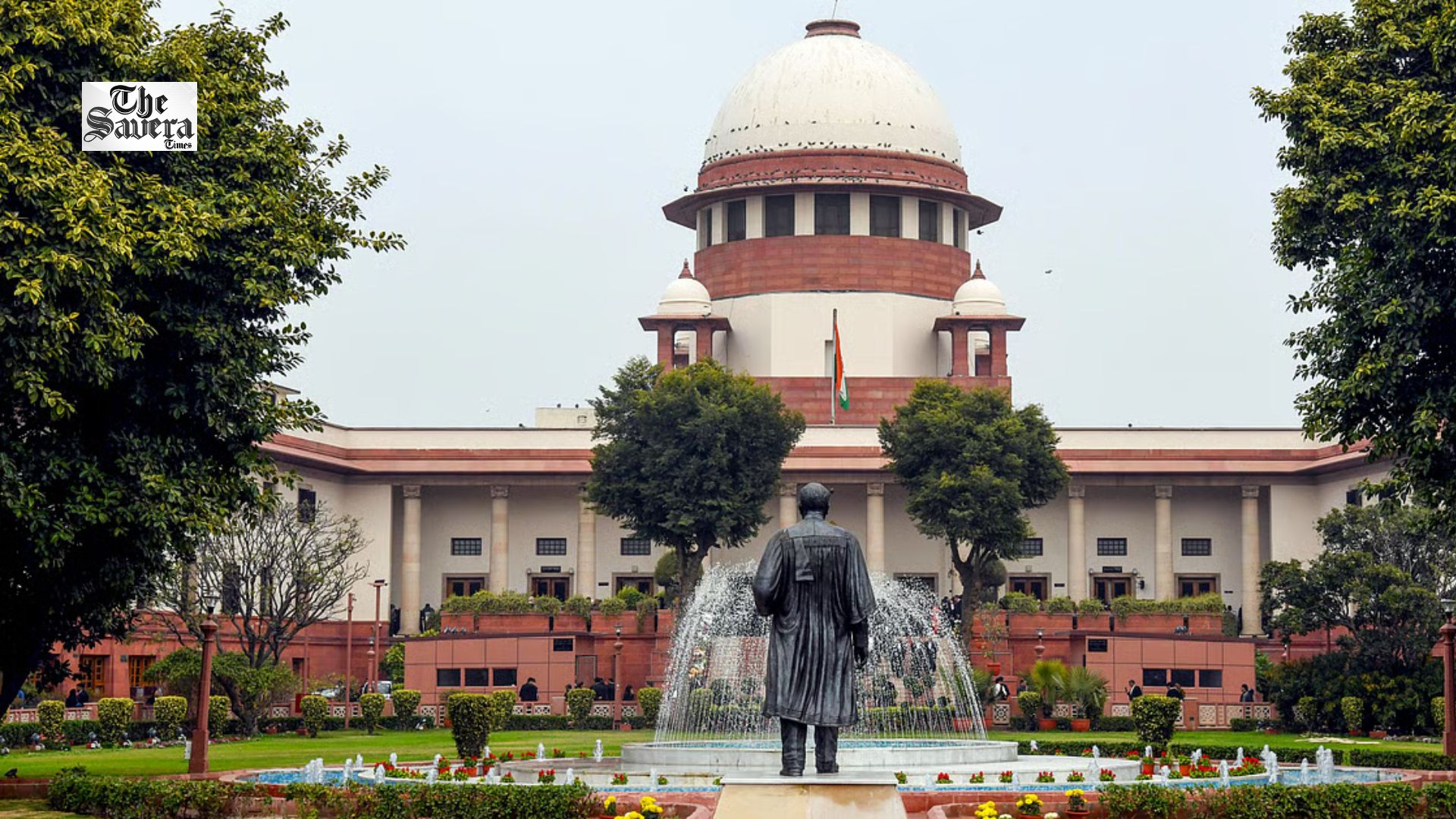
The Supreme Court, while hearing cases of digital fraud, made strong comments about the rapidly spreading cybercrime in the country. Chief Justice Surya Kant stated that punitive provisions against banks are necessary, otherwise they will never improve their practices. While every bank assures its customers that they will not suffer losses if they request a digital fraud payment immediately after it is processed, experience shows that this is not the case. Once money is withdrawn from accounts, customer requests become a mere formality. The Supreme Court made some very harsh comments on this issue, which may, to some extent, provide some solace to customers defrauded by cybercrime. The case was heard by a bench comprising Chief Justice Surya Kant, Justice Joymalya Bagchi, and Justice V. Mohana. The bench stated that it has been reported that cybercrime cases in the country have declined by 50 percent, but looking at the actual losses, account holders have lost approximately ₹8 billion so far this year. The bench categorically stated that the Reserve Bank of India’s proposed framework should include clear provisions for compensation, fraud prevention, and accountability of financial institutions. It is also reviewing the Know Your Customer (KYC) Amendment 2026. These guidelines will be notified by November 30th, and the new guidelines will be implemented on December 31st. The Supreme Court stated that digital fraud occurs because banks and other financial institutions fail to conduct proper due diligence. This is also their fault. In such circumstances, victims should receive compensation at least equal to the amount lost. The provisions may be further tightened, but customers should not suffer such losses. The Supreme Court expressed surprise that while there is so much publicity about how to avoid cybercrimes, and that digital arrests are not possible, educated people still fall prey to threats and face embarrassment after losing their money. What happens to the victims? How do they get trapped despite hearing everything? Can’t they understand even this basic fact that an arrest cannot be made by intimidation over a mobile phone? The Supreme Court’s questions are valid, but the reality is that people in uniform issue threats over video conferences on mobile phones, intimidating them to the point that there are reports of even senior police officers falling into their trap. Chief Justice Surya Kant suggested some practical solutions. He asked why commercial banks don’t categorize all their accounts based on the nature and pattern of transactions. Why not use artificial intelligence to identify suspicious activity? He said that banks have complete transaction records. So, if a person typically transacts small amounts, what is the point of suddenly attempting to send a large sum? Why don’t banks intervene immediately? The Supreme Court has undoubtedly raised very valid questions, but ask the bankers, and they have their own answers. Banks complain about staff shortages. No employee wants to get themselves into financial trouble. They try to let things go as they are. Banks have no automatic mechanism for refunding payments. In our opinion, if the latest Supreme Court directives are followed, customer confidence in banks could certainly increase.
Two major political events have intensified political activity in the national capital, New Delhi, on Sunday.

It is often said that in a democracy, the ultimate verdict rests with the people. However, this verdict...

Stay updated with the day’s biggest developments from India and around the world. Read the top headlines across...

Rahul Gandhi targeted Chief Election Commissioner Gyanesh Kumar at the INDIA bloc's mock Parliament programme, claiming the Opposition...

Uttar Pradesh's first Vande Bharat Sleeper Express has been flagged off between Varanasi and New Delhi. The train...

The ED has arrested four more accused under Operation Trident and uncovered alleged international hawala transactions, frozen 991...
Aries: The day will be auspicious...