Last Updated: October 17, 2026
Last Updated: October 17, 2026





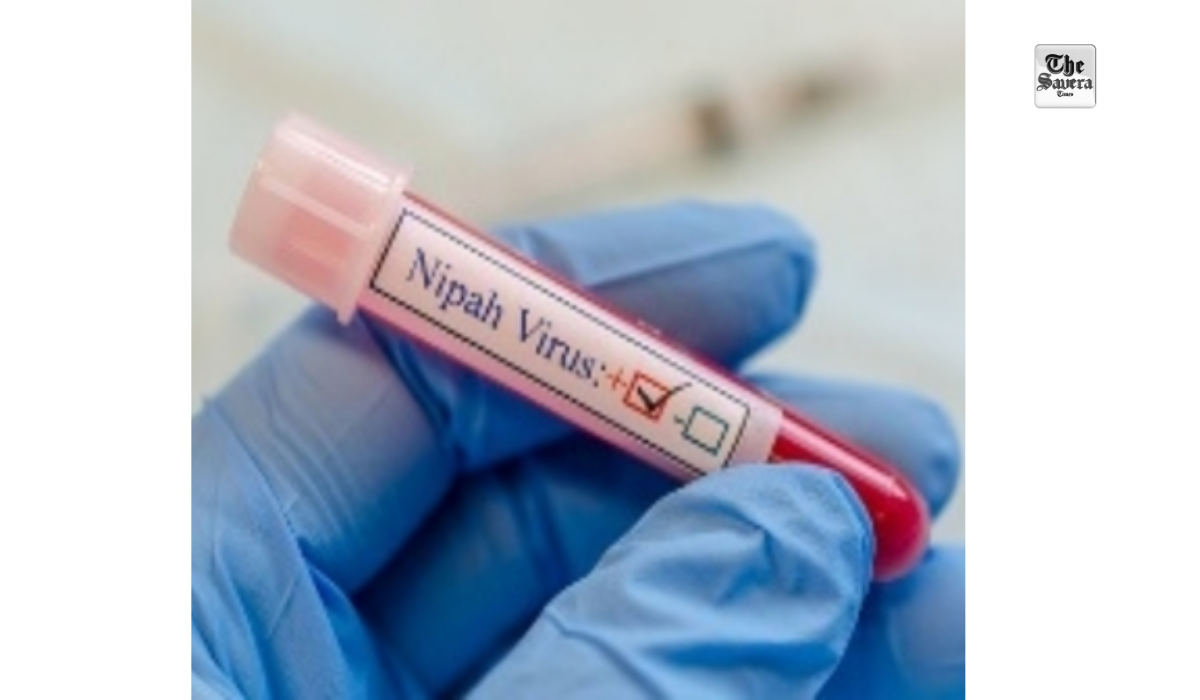
Kolkata: The detection of two suspected Nipah virus cases in West Bengal has put health authorities on alert, prompting the Centre to deploy a National Joint Outbreak Response Team to support containment and public health measures. Doctors said the Nipah virus is rare, unpredictable and potentially deadly, stressing that awareness and early action are crucial to prevent its spread.
What Is Nipah Virus and How It Spreads
Dr Rakesh Pandit said Nipah is a zoonotic disease, meaning it can spread from animals to humans.
“Fruit bats are the natural carriers of the virus. People can get infected by consuming contaminated food or through close physical contact with infected individuals,” he said.
He added that past outbreaks have shown human-to-human transmission, especially in healthcare and household settings. Symptoms can range from fever and respiratory issues to severe neurological complications such as encephalitis, a potentially fatal brain inflammation.
High Risk in Close Contact Situations
Doctors noted that while Nipah does not spread as rapidly as airborne infections like Covid-19 or influenza, it is highly contagious in cases of close and prolonged contact.
Dr Sushrut Ganpule, Consultant Pulmonologist, said medical personnel and caregivers are particularly at risk without strict infection control measures.
“Previous outbreaks have seen mortality rates of up to 75 per cent, making it deadlier than most viral infections. Survivors may suffer long-term neurological problems such as seizures and personality changes,” he said.
Importance of Early Diagnosis and Isolation
Experts stressed that early detection is critical in preventing wider transmission.
Dr Aakaar Kapoor said, “With Nipah, time is everything. Symptoms may initially resemble a routine viral fever, but neurological signs or breathing difficulty are red flags. Early lab confirmation allows doctors to isolate patients quickly and protect contacts.”
Special Testing and Multi-Organ Impact
Dr Kapoor added that Nipah testing requires special handling.
“RT-PCR testing and close coordination with reference labs are essential. Imaging and lab diagnostics together help assess organ damage, and early detection of lung or brain involvement can improve outcomes,” he said.
Dr Vineet Malhotra noted that severe cases may involve multiple organs.
“In advanced stages, kidney involvement can worsen prognosis, which is why patients need intensive monitoring and supportive care,” he said.
No Vaccine, Supportive Treatment Only
At present, there is no approved vaccine or antiviral treatment for Nipah.
Dr Pranjit Bhowmik said, “Treatment remains largely supportive, focusing on symptom management and preventing complications. The Centre’s close monitoring reflects the virus’s history of sudden outbreaks and high mortality.”
Doctors emphasised that vigilance, early diagnosis, strict isolation and public awareness remain the strongest tools to prevent a limited outbreak from turning into a major health crisis.
Read The Savera Times Evening Bulletin for the top India and world news, latest breaking headlines, major developments...

New Delhi: India and Vietnam on Friday reviewed their cooperation across key areas, including economic security, maritime engagements,...

New Delhi: The Union Ministry of Home Affairs (MHA) has sought detailed reports from the Punjab government on...

New Delhi: All India Students’ Association (AISA) National President Neha Bora was detained by the Delhi Police on...

New Delhi: The Directorate of Enforcement (ED) has provisionally attached assets and proceeds of crime worth Rs 136.44...

Mumbai: Jindal Saw on Friday reported a steep decline in its earnings for the second quarter of FY27,...

Aries: The day will be auspicious...