Last Updated: October 25, 2026
Last Updated: October 25, 2026





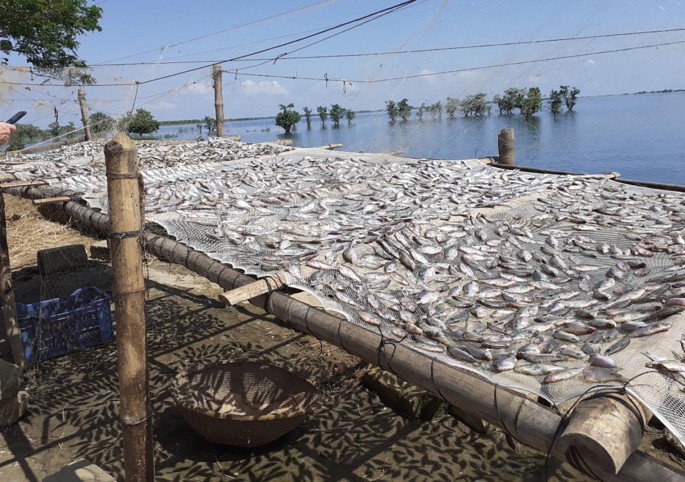
India has moved into the development phase of a national action plan for inland small-scale fisheries, with a focus on livelihood improvement, enhanced coordination and better management of freshwater resources, with the proposed plan covering fisheries in rivers, canals, reservoirs, lakes, floodplain wetlands, tanks, and cold-water systems.
As on date, India has set a target of 30 million tonnes in fish production over the next five years, while seafood exports are expected to rise to Rs 1.25 lakh crore.
The country had achieved an annual fish production of 19.7 million tonnes, with inland fisheries contributing approximately three-fourths of this output, while seafood exports had crossed Rs 70,000 crore. The new action plan is being developed under the framework of the UN Food and Agriculture Organisation (FAO).
The initiative is being led by the Union Department of Fisheries in collaboration with the Bay of Bengal Programme Inter- Governmental Organisation (BOBP-IGO).
There is need for a mission- mode outreach programme to take India’s proposed national action plan for sustainable inland small-scale fisheries to fishing communities across the country.
The document must translate into practical improvements in livelihoods rather than remain confined to government offices. The proposed plan must prioritise sustainability amid the climate crisis and strengthen value chains to improve fishers’ income.
It is stressed that production and export growth must go hand in hand with securing the livelihoods of small-scale fishers.
On sustainability, an expert has flagged climate change and deteriorating water quality as major concerns for inland fisheries, pointing to challenges such as declining oxygen levels in water bodies. The plan must incorporate measures to build climate resilience, drawing on the experience of fishing communities who directly confront these challenges.
India’s diverse inland fisheries sector, with its varied ecosystems, fishing communities and region-specific challenges, could serve as a model for the FAO to collaborate, pilot region- specific approaches and take the learnings to wider geographies.
A charkha spinning in a village once spoke of nationalism. Today, that spirit is taking new shape through...
With their habitat constantly under threat, conservationists in India have called for greater efforts to monitor snow leopards,...

All countries involved in international forums often say the same thing: to solve the problem of terrorism, all...

One morning in a Jain household, after the days of spiritual austerity had ended, an elderly man picked...

India’s progress toward becoming a developed nation by 2047 will depend on how effectively it responds to global...
Get the key updates from India and around the world with The Savera Times Evening Wrap, bringing together...

Aries: The day will be auspicious...