Last Updated: October 16, 2026
Last Updated: October 16, 2026





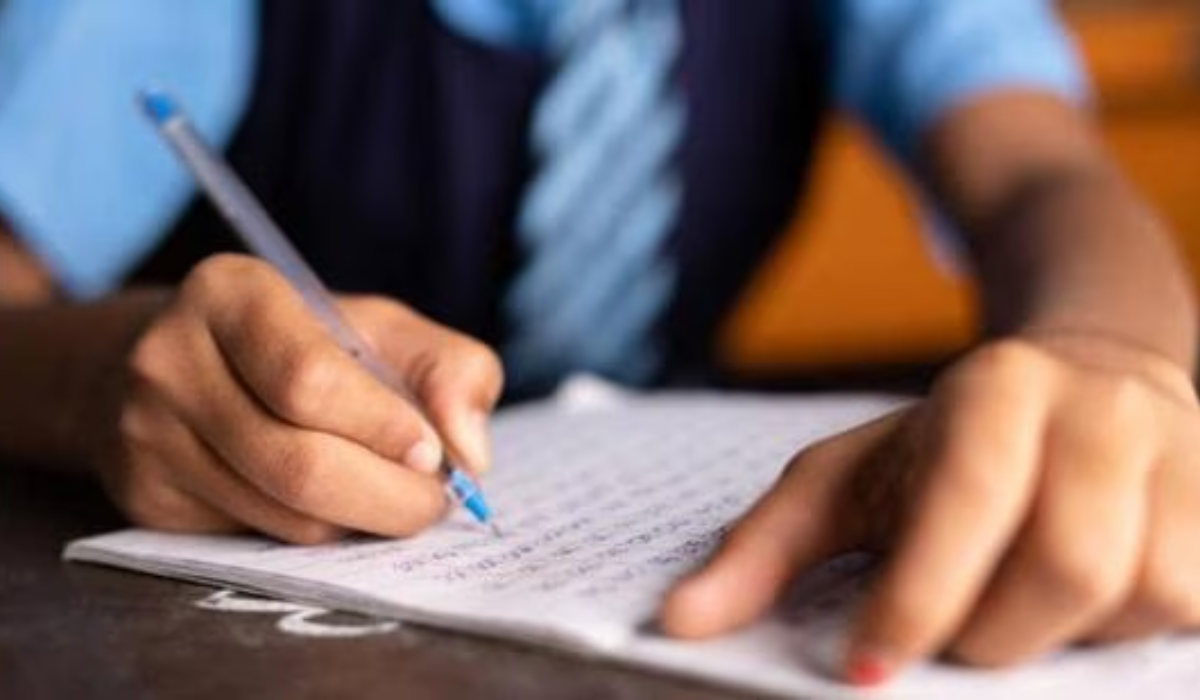
New Delhi: The Supreme Court on Thursday expressed concern over introducing a compulsory third language for students at the Class 9 level, saying it would place an unnecessary academic burden on children already preparing for board examinations. The court suggested that any additional language should instead be introduced from Class 6.
‘Class 9 Is Already Stressful’
During the hearing, Justice B.V. Nagarathna, who was part of a bench with Justice R. Mahadevan, observed that students begin facing academic pressure well before their Class 10 board examinations. She said introducing a new language in Class 9 would only add to that stress.
Referring to her own school experience, Justice Nagarathna said students were taught a third language from middle school, giving them enough time to learn it before reaching secondary classes.
Advice to Centre and CBSE
Addressing the Centre and education boards, Justice Nagarathna remarked that CBSE, ICSE and state boards should avoid introducing a new language in Class 9. She said students already begin preparing for board exams by the end of Class 8, making it an unsuitable stage for adding another subject.
Remarks Follow CBSE’s Relaxation
The observations come weeks after the CBSE announced a one-time exemption for the current batch of Class 9 students following objections from schools, parents and students over the sudden implementation of the three-language policy. Under the relaxation, the third language will be assessed only internally and will not be part of the Class 10 board examination for the current batch.
Issue Raised During Tamil Nadu Case
The remarks were made while the court was hearing the Tamil Nadu government’s appeal related to the establishment of Jawahar Navodaya Vidyalayas (JNVs) in the state. Although the validity of the CBSE’s three-language policy was not directly before the bench, the discussion turned to the stage at which a third language should be introduced.
Justice Nagarathna also clarified that the policy does not mandate Hindi, noting that students are required to study the state language, English and any one additional language. The matter related to the JNV case has been listed for further hearing on August 11.
Jaipur: The Supreme Court of India on Wednesday has provided a major relief to the Former Rajasthan Public...
New Delhi: Cockroach Janta Party (CJP) founder Abhijeet Dipke on Friday defended the party’s protests, asserting that peaceful...

New Delhi: The Supreme Court on Friday issued notice to Shiv Sena(UBT) Rajya Sabha member Sanjay Raut and...
New Delhi: Tesla CEO Elon Musk on Friday unveiled a new version of his Roadster sports car. During...

Rayachoti (Andhra Pradesh): Andhra Pradesh’s Annamayya district was rocked by violence on Friday as several vehicles were set...

Abhijeet Dipke criticised administrative restrictions ahead of CJP’s ‘Lehra Do Tiranga’ rally in Delhi, arguing that demanding government...

Aries: The day will be auspicious...