Last Updated: October 17, 2026
Last Updated: October 17, 2026





Written by: Sheena Sandhu
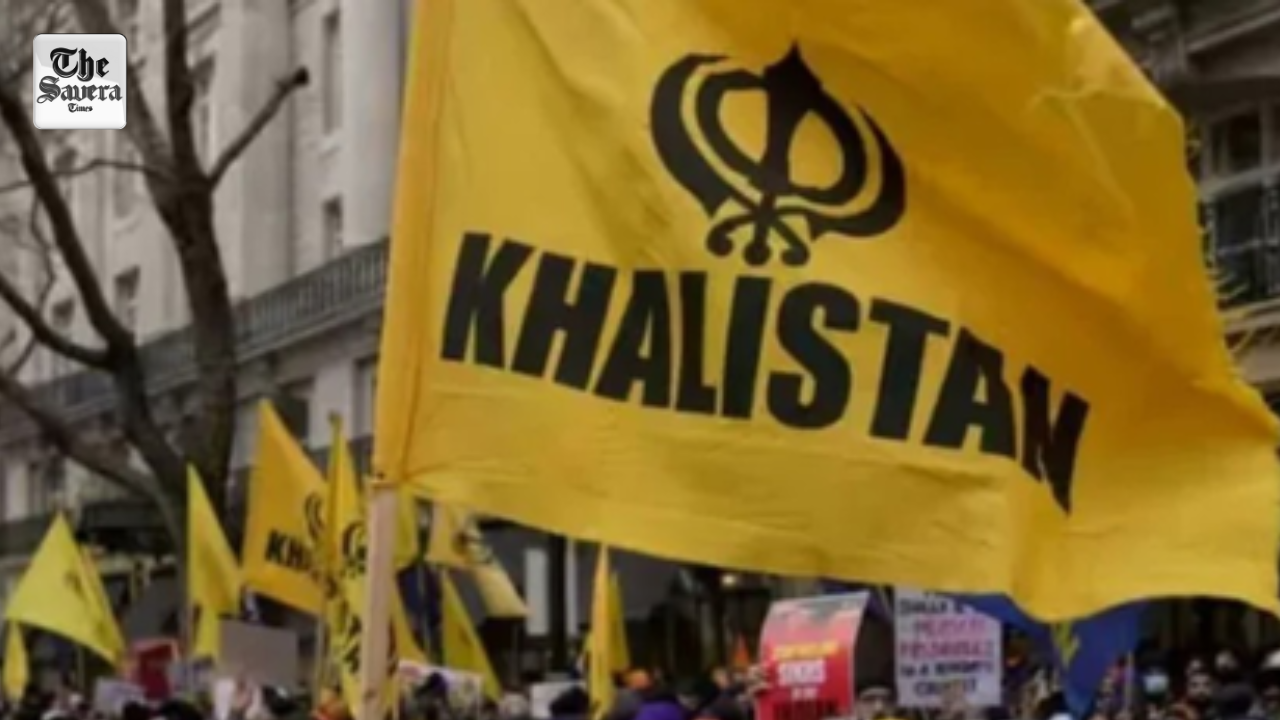
Canada’s newly released 2025 National Risk Assessment on Money L a u n d e r i n g a n d Terrorist Financing has made an admission that was long overdue. For the first time in such a prominent government document, Ottawa acknowledges that banned Khalistani organisations are raising funds in Canada and that some of this money is linked to violent actions abroad. For years, India has raised alarms about extremists using Canadian soil to finance, glorify or even plan separatist violence.
Now Canada itself is conceding that the threat is real. This is not just an issue of IndoCanadian diplomacy. It has become a question of Canada’s own internal security and political stability. The report confirms what many Canadians already know from daily headlines: shootings, extortion rackets, gang warfare and targeted killings in provinces like British Columbia have begun to spiral. The lines between ideological extremism and organised crime are blurring. Khalistani rhetoric provides cover, and in some cases legitimacy, for networks that are also running drugs, laundering money, and intimidating businesses. The state is finally recognising the cost of allowing militancy to masquerade as community politics.
From Denial to Recognition
The shift in tone is striking because Canada has wrestled with this question before. In 2018– 19, its security agency CSIS had mentioned Khalistani extremism in its annual threat assessment, only to delete the wording after intense lobbying and political pushback. The move was widely seen as capitulation to a vocal minority within the diaspora. The 2025 report, by contrast, puts the issue back on the table, but this time in the harder language of financial crime and terrorism financing. What has changed? Partly, the evidence. A series of violent incidents, from café shootings in Surrey to extortion threats a g a i n s t I n d o – C a n a d i a n businessmen, have made the problem impossible to deny. Partly, it is the nature of the report itself. By following the money, regulators uncovered fundraising channels and charities exploited to funnel resources overseas. When extremists cross paths with organised crime, the danger stops being abstract ideology and becomes an immediate threat to law and order.
What Happens Next
T h e i m p l i c a t i o n s a r e wide-ranging. First, the lawand-order dimension. Public acknowledgment allows Canadian police and intelligence agencies to devote more resources and legal tools to tackling these networks. Expect more surveillance of suspect charities, more scrutiny of financial transactions, and perhaps even new designations of extremist organisations. Ottawa will be under pressure to show that its recognition of the problem translates into action. Second, the financial and regulatory angle. Since this is primarily a money-laundering a n d t e r r o r i s m -f i n a n c i n g assessment, the logical next step is tightening reporting rules. Charities and businesses may face greater audits. Informal money-transfer systems could be targeted. Canadian banks and institutions will need to demonstrate that they are not unwittingly facilitating flows to extremist groups. Third, the diplomatic front. India has consistently accused Canada of harbouring anti-India extremists. Ottawa’s admission will only sharpen New Delhi’s demands for concrete steps. How Canada balances this pressure with domestic political sensitivities will be a test of its credibility. For too long, successive governments have treated the issue as one of optics rather than substance. That luxury may no longer be available.
The Political Dilemma
Canada is proud of its multicultural ethos, and rightly so. The Sikh community, one of the most vibrant and successful in the country, is integral to that story. But here lies the dilemma: how to distinguish between lawful political advocacy, even for causes unpopular with the majority, and criminal or violent extremism. Heavy-handed policing risks alienating lawabiding citizens and fuelling grievances. Doing nothing, however, risks emboldening the very networks that exploit community cover to advance criminal agendas. This balancing act explains Canada’s past hesitations. Political parties in Canada are acutely aware of diaspora vote banks, especially in provinces like British Columbia and Ontario. That has often translated into a reluctance to call out Khalistani extremism too bluntly. But the price of such caution is becoming visible in the rising tide of violence and insecurity at home.
The Cost of Delay
Canada now faces a stark choice. It can act pre-emptively — tightening financial scrutiny, prosecuting extortion rackets, dismantling networks that c o m b i n e i d e o l o g y w i t h gangsterism. Or it can wait until the problem erupts into a larger domestic crisis, with lives lost and communities divided. History oers lessons: tolerating extremism in the hope that violence will only be exported abroad has never ended well. As India itself has argued, feeding milk to snakes always carries the risk of getting bitten at home. Already, Canadian society is paying the cost. Businesses are being forced to pay protection money. Public places have witnessed shootings. Community leaders have been threatened. When ideology, crime and violence combine, the idea that such activity can be safely contained is a dangerous illusion.
The Road Ahead
The way forward requires firmness and fairness. Ottawa must demonstrate that it can target criminals without vilifying communities, prosecute violence without silencing dissent, and cooperate internationally without compromising its democratic values. That means a twotrack strategy: one, tougher law enforcement and financial regulation to choke o� extremist financing and punish organised crime; two, deeper community engagement to reassure Canadian Sikhs that legitimate political activism is not under threat .Canada’s credibility is on the line. Its allies, especially India, are watching closely. So are Canadian citizens, who rightly expect their government to protect them from organised violence. The 2025 assessment has provided the evidence and the rationale. What remains to be seen is whether Ottawa will muster the political will to follow through.Canada cannot a�ord to continue in denial. The snakes it has been feeding are no longer confined to someone else’s backyard. They are already slithering into its own streets and neighbourhoods. The only question now is whether the government will act before the venom spreads further
Nepal is seeking substantial financial assistance from India ahead of Prime Minister Balendra Shah’s proposed visit to New...

The race to succeed Antonio Guterres remains uncertain after three leading candidates faced opposition from two permanent members...

Democratic lawmakers have criticised Donald Trump for waiving key sanctions and tariff provisions under the Graham Act, citing...
Shipping Minister Sarbananda Sonowal confirmed that all 24 Indian seafarers aboard two vessels struck in separate incidents in...

Katie Zacharia has left her role as White House press secretary less than a week after her appointment....

US President Donald Trump has praised Kaylub Giamanco for intervening during a shooting at Silver Rail Elementary School...

Aries: The day will be auspicious...