Last Updated: October 21, 2026
Last Updated: October 21, 2026






There is a growing sense of discontent in the western world, historically the driver of economic growth and architect of the free-trade globalisation system. This discontent has been channelled by political figures such as Donald Trump, whose interventions are reshaping the political landscape in several western countries. Analysts note that Trump’s approach seeks to weaken governments committed to multilateral cooperation, global solidarity, and climate action, creating conditions favorable to parties that oppose these principles. The implications of this are profound, amounting to a form of political upheaval at a scale rarely seen.
Europe illustrates the emerging challenges to ambitious climate initiatives. The European Commission recently struggled to secure consensus on its next set of emission reduction targets, signaling rising resistance to policies aimed at addressing climate change. This resistance coincides with increased support for political parties that downplay or reject climate concerns, reflecting broader trends in public opinion influenced by populist and nationalist rhetoric. Such shifts have consequences not only for policy implementation but also for global efforts to meet climate commitments.
For environmentalists, particularly in countries such as India, this political climate carries significant repercussions. Labels and framing that portray climate action as anti-development can undermine efforts to integrate sustainability into national growth strategies. There is a clear need to counteract narratives that separate environmental protection from economic development. In practice, development and environmental stewardship are complementary objectives, and policies that align growth with sustainability offer viable pathways to reduce pollution while fostering economic progress.
The challenge is compounded by inequality and global disparities, which amplify the stakes of environmental degradation. Climate change is not an abstract threat; its consequences directly affect livelihoods, ecosystems, and the stability of societies worldwide. Ignoring or dismissing targeted rhetoric that seeks to delegitimize climate science risks weakening collective action at a time when coordinated responses are critical.
Efforts to embed climate considerations within development strategies demonstrate a pragmatic approach. By framing environmental protection as integral to economic growth, countries can pursue policies that are both sustainable and equitable. This approach underscores that environmental action is not a luxury but a necessary condition for resilient development. The global political shifts observed in the west, therefore, highlight the need for continued advocacy, careful messaging, and policy coherence to safeguard climate priorities. The present moment is not simply marked by political attacks or public statements but by deliberate efforts to influence the broader acceptance and implementation of climate action worldwide.
Start your day with The Savera Morning Brief, bringing you the latest news from India and around the...

Union Home Minister Amit Shah will pay tribute to police martyrs at the National Police Memorial in New...
Four more people, including two women, have been arrested in the Tiger Shroff firing case. Delhi Police are...

We are very proud that at present India is the number one country in the world by surpassing...

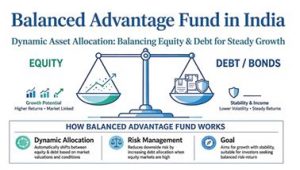
Every investor wants the wealth-creating power of equity and the reassuring stability of debt. Balanced Advantage Funds attempt...
Tourism is a major source of government revenue in our country. There are different types of tourism. Scenic...

Aries: The day will be auspicious...