Last Updated: October 1, 2026
Last Updated: October 1, 2026





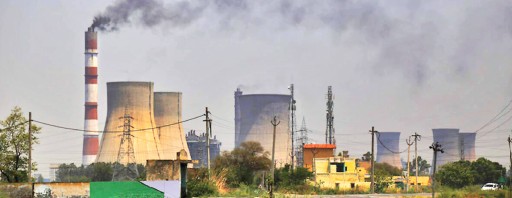
India is working on a significant recalibration of its power sector strategy that would allow coal-based power plants to operate at much lower capacities, a move aimed at creating more space for solar energy within the national electricity grid, officials familiar with the discussions said.
The proposed shift reflects a growing recognition within the government that the rapid expansion of renewable energy, particularly solar, requires a more flexible power system. The Ministry of Power is preparing guidelines that would require coal-fired plants to modify operations, upgrade systems and run at reduced load levels when required to accommodate fluctuating renewable generation.
Under the plan, coal plants could be permitted to operate at load factors as low as 40 percent, a major departure from traditional operating norms. Coal-based stations are typically designed to run most efficiently at higher loads, providing steady baseload power. Their limited ability to ramp production up or down has increasingly become a constraint as solar and wind capacity expands.
India has added renewable energy at an unprecedented pace over the past decade and now ranks among the world’s largest producers of solar and wind power. However, grid integration has emerged as a critical challenge. During peak solar hours, electricity generation often exceeds demand, while storage capacity remains insufficient and expensive. As a result, a portion of renewable energy is curtailed or wasted.
Officials said increasing the operational flexibility of coal plants could help address this imbalance by allowing the grid to absorb more renewable electricity whenever it is available. Instead of forcing coal units to shut down entirely or run at inefficient levels, plants would be able to operate steadily at lower output, adjusting generation based on renewable supply patterns.
To facilitate the transition, power producers may be required to invest in plant upgrades, advanced control systems and enhanced maintenance regimes. Operating at low loads places greater mechanical stress on equipment, increasing wear and tear. Draft discussions include proposals for higher maintenance budgets, possibly up to 20 percent more, along with incentive mechanisms for plants that successfully adapt to flexible operations.
Any additional costs incurred by power producers would be subject to approval by electricity regulators before being passed on to consumers. Officials view the approach as a measured trade-off, arguing that limited short-term financial adjustments could deliver long-term gains by accelerating renewable integration and reducing the need for new thermal capacity.
Energy experts note that India is not alone in pursuing such a strategy. Countries with high renewable penetration have increasingly relied on flexible fossil-fuel generation to stabilise grids. China introduced a compensation mechanism in 2023 for coal plants that remain idle or underutilised to support renewable integration, while several European nations continue to use flexible thermal plants until large-scale storage becomes viable.
India’s circumstances make coal flexibility particularly relevant. Gas-based power plants, often used elsewhere as balancing resources, play a limited role domestically due to reliance on costly imported fuel. Hydropower output fluctuates seasonally and is vulnerable to changing rainfall patterns. As a result, coal remains the most reliable fallback during sudden drops in renewable generation.
Analysts say the proposal could be crucial for achieving India’s target of 500 gigawatts of non-fossil fuel capacity by 2030. Improving coal plant flexibility would reduce renewable curtailment, improve utilisation of existing solar capacity and limit the need to build new coal plants solely for backup purposes.
Officials said plant-level operations would be coordinated with grid demand forecasts and renewable output data. Performance-based incentives are also being considered to reward plants that respond efficiently to variable renewable supply.
While timelines are yet to be finalised, consultations with industry stakeholders are underway and draft guidelines are expected soon. The strategy, planners say, reflects a pragmatic effort to balance energy security with climate commitments—using existing coal infrastructure more efficiently while steadily expanding clean energy capacity.
The Savera Times Evening Wrap brings you the top India and world news, covering major developments across politics,...

Pakistan-based LeT terrorist Mohammad Asif alias Hashim Moosa, wanted in the Pahalgam terror attack case, was killed in...

The Supreme Court has ruled out both a complete firecracker ban and unrestricted 24-hour use, indicating that permissible...

The Centre has approved higher MSP for all mandated Rabi crops for the 2027-28 marketing season, with safflower...

Traders’ organisations have withdrawn the October 2 “No UPI Day” protest after meeting Finance Minister Nirmala Sitharaman over...

Ahmedabad: A Nigerian national allegedly acted as a link between a Gujarat-based wanted accused and a wider drug...

Aries: The day will be auspicious...