Last Updated: October 12, 2026
Last Updated: October 12, 2026





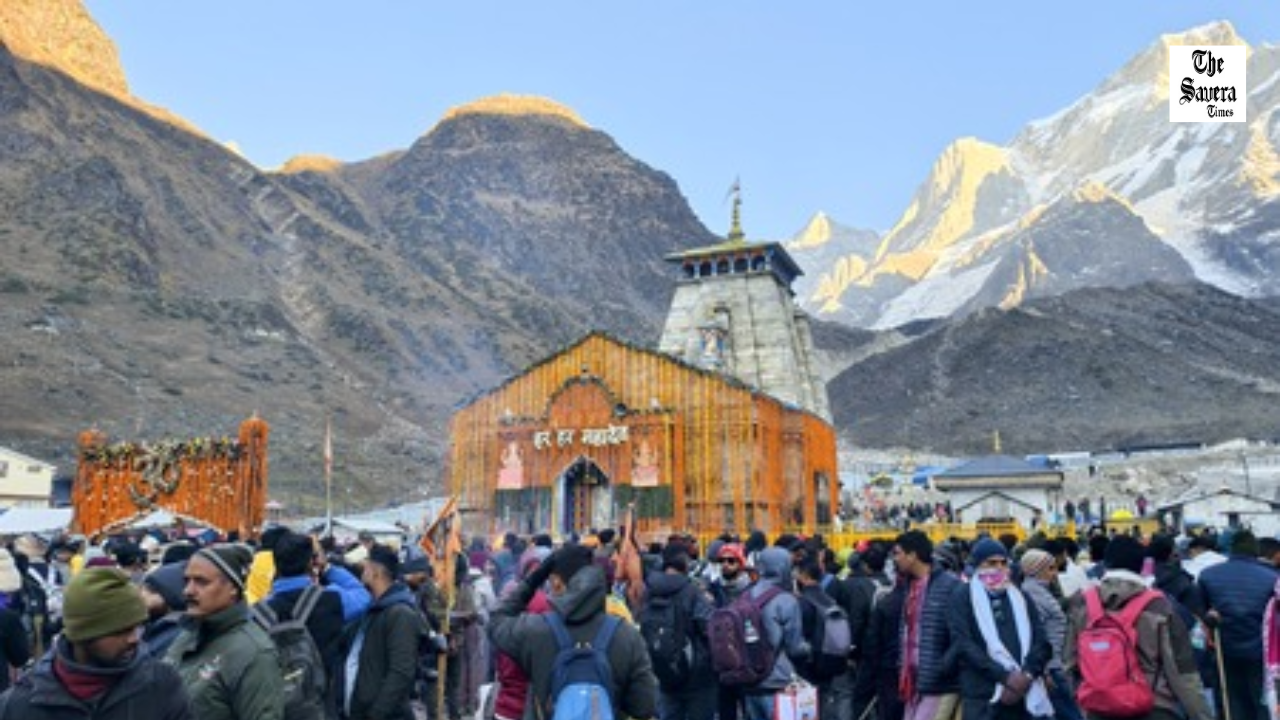
The Shri Badrinath‑Kedarnath Temple Committee (BKTC) in Uttarakhand has proposed a resolution to bar entry of non‑Hindus into temples under its jurisdiction, including the famed Badrinath and Kedarnath dhams, as well as other major shrines. The proposal is expected to be tabled in the committee’s upcoming board meeting. Advocates of the move say the restriction aims to preserve perceived religious sanctity and traditions at these pilgrimage sites.
BKTC Chairman Hemant Dwivedi said that temples like Badrinath and Kedarnath are supreme spiritual centres of Sanatan traditions and not tourist destinations. He argued the ban would reinforce longstanding religious practices rather than infringe individual rights. The proposal reportedly covers all 45‑48 temples managed by the committee, including char dham and affiliated shrines.
Leaders from the Indian National Congress criticized the BKTC proposal, calling it “completely wrong” and against constitutional values. Congress leader Husain Dalwai condemned the move, saying it could create a “mini-Hindu nation” and undermines India’s secular ethos. He stressed that such decisions contradict the spirit of India’s Constitution, which upholds freedom of religion and equality.
Congress leaders and critics argue that the ban proposal could be a diversionary tactic away from pressing public issues and might fuel communal divides rather than enrich religious practices. They pointed out that non‑Hindus traditionally do not enter these shrines, making a formal prohibition unnecessary.
The discussion has triggered broader debate across Uttarakhand and national political circles, with some viewing it as an assertion of local tradition and others warning it may be politically motivated. Similar sentiments have surfaced regarding entrance restrictions at other religious sites in the state, reflecting ongoing tensions over preservation of culture versus inclusive access.
Former BJP MLA Attar Singh Bhedana died at Jaipur’s SMS Hospital after a violent clash at a crusher...
An eyewitness has recounted the fatal Mini Cooper crash in Nedumbassery, Kochi, claiming the driver said his father...
The Cockroach Janata Party plans to approach Parliament Street Police Station for permission to hold a peaceful protest...
BJP leader Kirit Somaiya has announced plans to file a complaint against actor Imran Khan over alleged OCI...
Start your day with The Savera Morning Brief, bringing you the top India and world news, breaking developments,...

Maharashtra MPSC Chairman Vivek Bhimanwar has been sent on compulsory leave until the inquiry into the alleged paper...
Aries: The day will be auspicious...