Last Updated: October 12, 2026
Last Updated: October 12, 2026





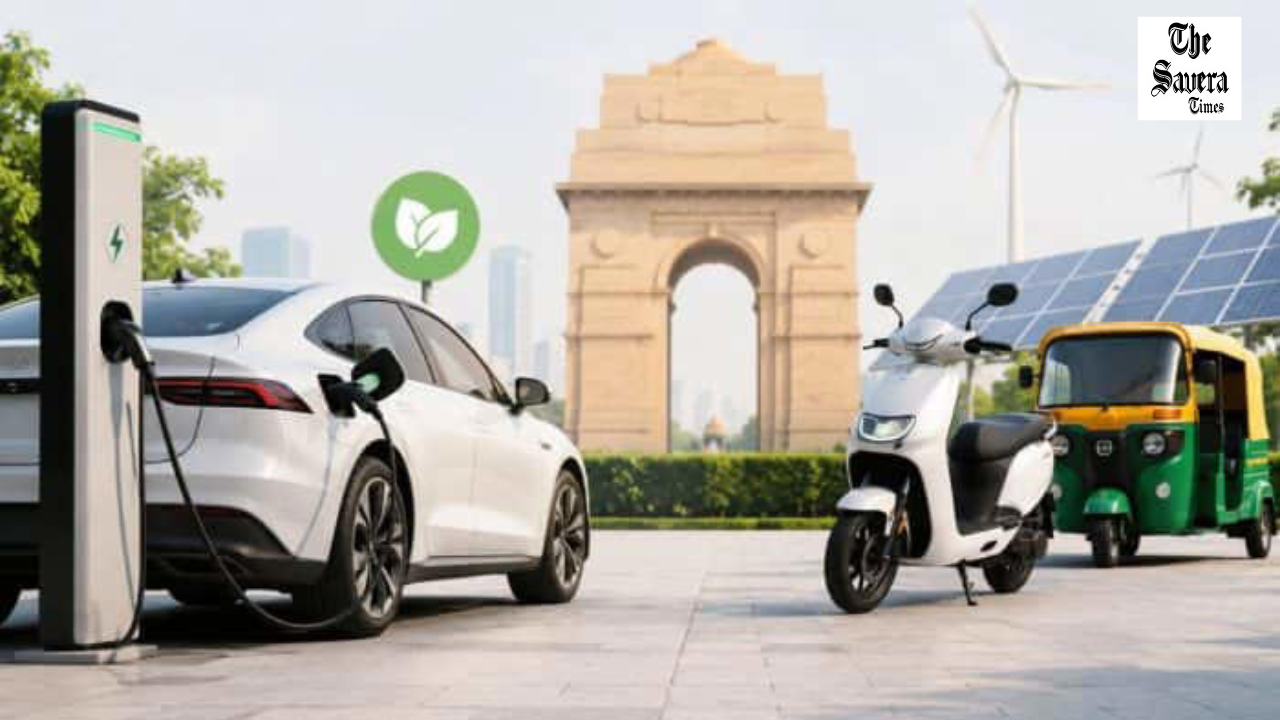
Delhi EV Policy 2026: The Delhi Cabinet approved the Delhi EV Policy 2026 on Monday, offering a 100 percent road tax and registration fee exemption on electric cars priced up to Rs 30 lakh. The policy takes effect on July 1, 2026, and runs until March 31, 2030. It also sets a hard deadline to stop the registration of new petrol and CNG two-wheelers from April 1, 2028, pushing Delhi toward an electric-only future for daily commuters.
Delhi EV policy 2026: What buyers save on
The biggest draw is the tax exemption on electric cars, which can save buyers several lakh rupees on a mid-range EV.
Electric two-wheelers:
Electric three-wheelers:
Scrappage bonus for replacing a BS-IV or older petrol or diesel vehicle:
Hybrid vehicles: No subsidy is available, as the policy applies only to fully electric, zero-emission vehicles.
End of petrol two-wheelers: The phase-out timeline
The policy lays out a clear, staggered exit for combustion-engine vehicles in specific categories. From January 1, 2027, only electric autorickshaws and electric N1 goods carriers can be newly registered in Delhi, ending new CNG auto-rickshaw registrations. Then, from April 1, 2028, the registration of new petrol and CNG scooters and motorcycles will stop completely, meaning anyone buying a new two-wheeler after that date must choose an electric model. Vehicles already on the road are not affected and can continue to operate as usual.
Charging Infrastructure and government investment
To support this shift, Delhi plans to add around 32,000 public charging points across the city. The government has committed more than Rs 7,000 crore over four years, split across purchase incentives, scrappage benefits, charging infrastructure, and tax exemptions. Officials estimate the total benefit to citizens, once tax savings and incentives are added up, could cross Rs 15,000 crore. All new government vehicles and DTC buses will also go electric under the policy.
What this means for your next vehicle purchase
If you are planning to buy a car, scooter, or auto-rickshaw in Delhi over the next two years, the math now favours going electric sooner rather than later. The tax exemption and subsidies reduce the upfront cost gap with petrol vehicles, while the 2027 and 2028 deadlines mean petrol options for autos and two-wheelers will simply disappear from showrooms. The policy still needs final sign-off from the Lieutenant Governor before it becomes official.
Amidst heavy security and barricades by the Delhi Police, INDIA Bloc leaders began a protest march towards the...

A 48-year-old man, Pawan Sharma, died after an alleged altercation over a senior citizen seat at Delhi’s Supreme...
Security has been tightened across central Delhi ahead of the INDIA bloc’s planned march towards the Supreme Court...
Delhi Police have registered an FIR following a DSGMC complaint alleging that AAP leaders and workers entered Bangla...

The Cockroach Janata Party plans to approach Parliament Street Police Station for permission to hold a peaceful protest...

Haryana Congress MPs, MLAs and senior leaders gather at Bhupinder Singh Hooda’s residence before the INDIA bloc’s march...
Aries: The day will be auspicious...