Last Updated: October 19, 2026
Last Updated: October 19, 2026





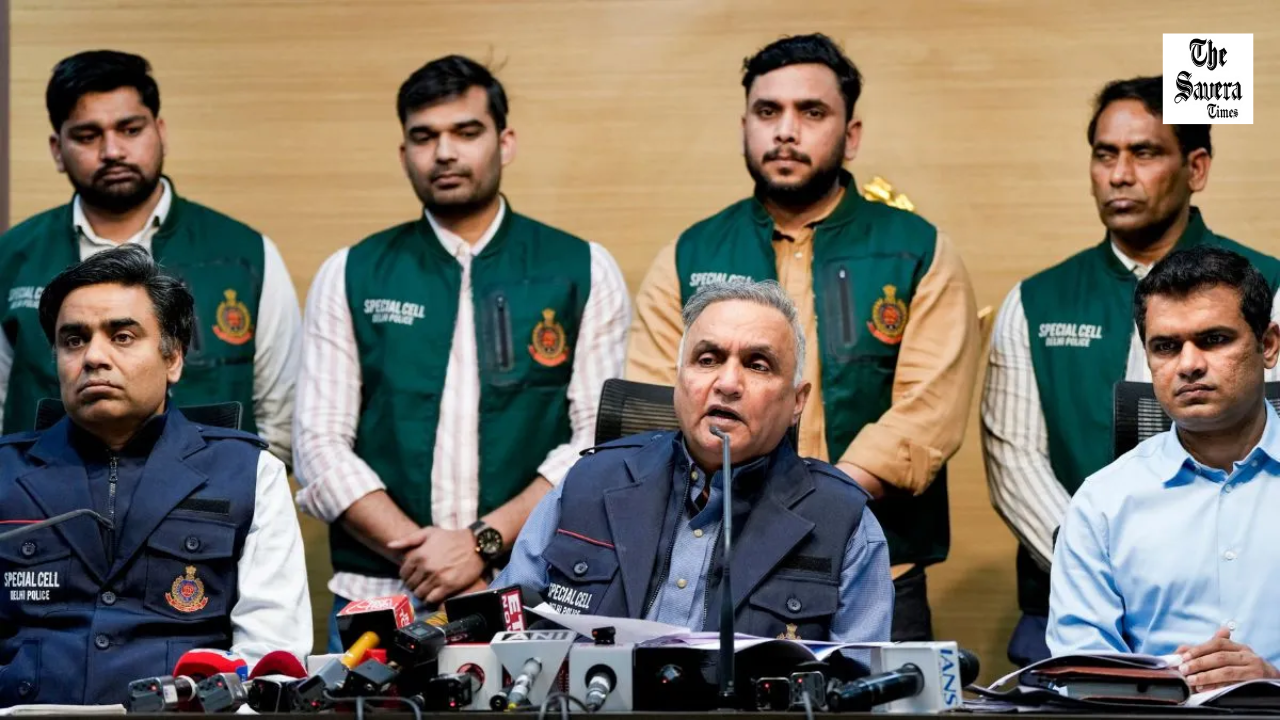
The Delhi Police Special Cell has claimed a significant breakthrough in counter-terror operations after dismantling a terror module allegedly linked to the Pakistan-based Lashkar-e-Taiba (LeT) and its handlers in Bangladesh. A total of eight suspects has been arrested in coordinated actions across multiple states, revealing a complex network of terror funding, poster campaigns and cross-border links.
The development was confirmed by senior police officials on February 23, 2026, following a series of raids triggered by the appearance of pro-terror and anti-India posters at prominent public locations in Delhi, including metro stations, earlier this month.
The probe that ultimately led to the arrests began after security personnel discovered provocative posters pasted at the Janpath Metro Station and other sites in Delhi. These posters reportedly carried incendiary slogans and imagery supportive of anti-national causes. A CISF complaint filed on February 8 prompted Delhi Police to launch a wider inquiry into the origins and intent behind the materials.
Police traced the distribution of the posters to operatives linked with a Lashkar-affiliated terror network which was printing and coordinating campaigns not only in Delhi but also in Kolkata. Law enforcement officers traced the PDF files for the posters to handlers based in Bangladesh, highlighting the cross-border nature of the module.
The Special Cell’s operation spanned three states, including West Bengal and Tamil Nadu, where officers arrested suspects and uncovered digital and physical evidence of their activities. Among the eight arrested, seven are Bangladeshi nationals reportedly residing in India using forged identity documents, such as fake Aadhaar cards. One individual is an Indian national.
Investigators recovered multiple mobile phones, SIM cards, passports and pro-terror posters during searches, which are now part of the evidence being analyzed to map the network and establish communication and logistical links to handlers abroad.
Officials believe that the suspects had conducted reconnaissance of important locations around the country and were in the process of arranging weapons through local contacts, though no weapons have been formally announced as seized to date.
Delhi Police revealed that the terror module was being handled remotely from Bangladesh by a key figure identified as Shabir Ahmad Lone, also known by aliases such as Raja and Kashmiri. Lone, a trained LeT militant originally from Jammu & Kashmir, has been linked through past cases to major terror outfits and is alleged to have revived sleeper cells using Bangladeshi nationals illegally residing in India.
Lone is suspected to have used encrypted platforms like Signal to remain in regular contact with the operatives, directing activities such as poster campaigns and plans for further operations. The handler reportedly also facilitated fund transfers for procurement of equipment.
Police sources indicate that the module’s outreach and logistics were supported by funds that may have been routed from abroad, with ongoing investigations exploring the terror funding links and possible involvement of foreign agencies in bolstering the network’s activities.
The revelation of Bangladesh links in this terror module has prompted intensified scrutiny of illegal cross-border movement and the use of forged identity documents by foreign nationals to carry out activities within India. The involvement of Bangladeshi nationals in this network, coupled with connections to Lashkar-e-Taiba and potential support from Pakistan’s Inter-Services Intelligence (ISI), underscores persistent national security challenges in the region.
Authorities have stepped up surveillance and are analyzing whether more operatives remain at large. The National Capital and other states have been placed on heightened alert while further evidence is gathered and suspects are interrogated.
News of the bust has generated broad political reaction, with lawmakers and public figures welcoming the operation but also urging stricter border controls and enhanced counter-terror strategies. Security analysts have pointed out that coordinated terror modules exploiting identity fraud and international handlers reflect evolving threats that require integrated domestic and international intelligence cooperation.
The Bankshall Court on Sunday remanded seven people arrested in connection with the stampede at the Chorbagan Durga...

Suspected militants allegedly set fire to at least 15 houses belonging to the Kuki tribal community in Chasad...

Good Evening Viewers! End your day with The Savera Times Evening Bulletin, bringing you the latest updates from...

The Delhi High Court has upheld the Election Commission's (ECI) existing procedure for deletions from the voter list...
The DRI seized 137 kg of suspected crystal methamphetamine worth over Rs 100 crore in Nagapattinam, Tamil Nadu....

The Central Bureau of Investigation (CBI) team investigating the Ankita Bhandari murder case arrived at Urmila Sanawar's residence...
Aries: The day will be auspicious...