Last Updated: October 19, 2026
Last Updated: October 19, 2026





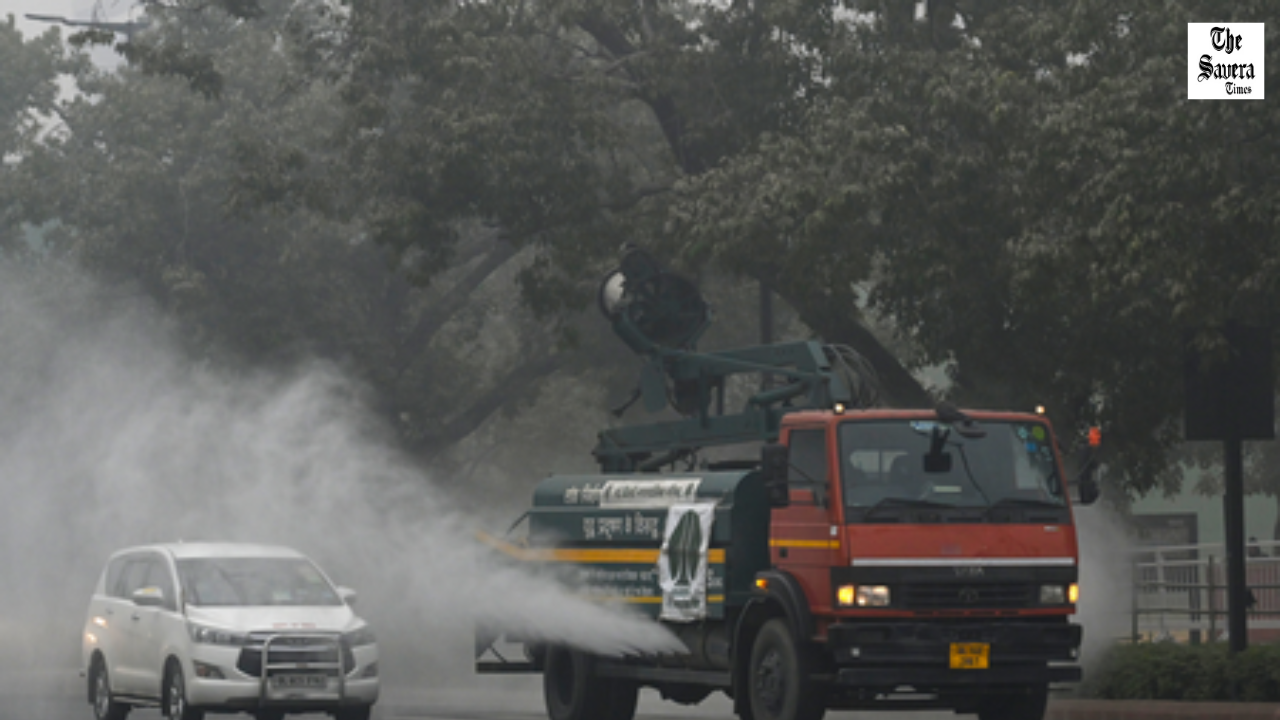
New Delhi, Dec 31, 2025 – Delhi’s air quality deteriorated significantly in December 2025, with pollution levels rising sharply even though there were no major farm fire incidents in the region, according to an analysis by the Centre for Science and Environment (CSE) and air quality data from official sources.
Data from the Central Pollution Control Board (CPCB) shows that December 2025 witnessed an average Air Quality Index (AQI) of around 349 — the highest for the month since 2018. This marked a stark increase compared to previous years, even though the contribution of stubble burning to PM2.5 pollution was only about 3.5 per cent.
Despite typically being associated with winter smog, farm fires played a minimal role in this year’s pollution spike, contributing a small fraction to the overall particulate levels. The sharp rise in pollution, therefore, points toward local and non-farm sources such as vehicles, industrial emissions, construction dust, and domestic fuel usage as dominant contributors.
Experts and environmental assessments suggest that local emissions from traffic, industries, and other urban activities have increasingly driven Delhi’s air quality crisis, especially with stagnant winter weather conditions that trap pollutants close to the ground.
Cold temperatures, low wind speeds, and dense fog further aggravated the situation, preventing dispersion and resulting in thick smog across the city. Multiple monitoring stations recorded AQI levels above 400 on several days, categorizing the air as “severe” or hazardous.
The persistent smog and poor visibility disrupted daily life in the capital, hurting outdoor activities and raising public health concerns — particularly for sensitive groups such as children, the elderly, and individuals with respiratory conditions.
Jamia Millia Islamia (JMI) has formed a seven-member committee to negotiate with students protesting for the reinstatement of...

The Directorate of Revenue Intelligence (DRI) has seized over 10 kg of narcotics and arrested three people in...
The Food Safety and Standards Authority of India (FSSAI) has issued notices to four companies, including the fast-track...
Good Afternoon Viewers! Stay updated with The Savera Times Afternoon Bulletin for the latest news from Punjab, India...

Andhra Pradesh Deputy Chief Minister and Panchayat Raj and Rural Development Minister Pawan Kalyan on Monday ordered the...

Rajasthan Police and the Anti-Gangster Task Force have detained three people, including a juvenile, at Kota railway station...

Aries: The day will be auspicious...