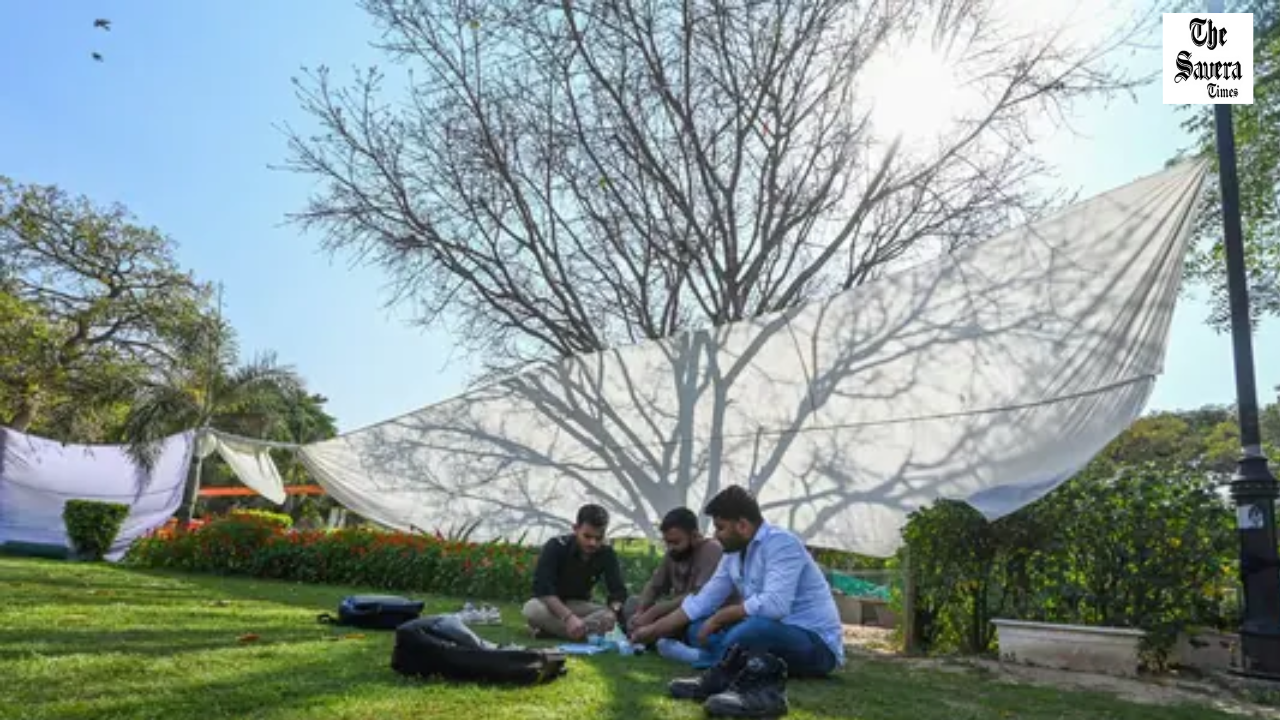
The national capital New Delhi has entered the summer season with an unusually intense rise in temperatures, recording the hottest first week of March in the past 50 years. According to the India Meteorological Department (IMD), the city registered a maximum temperature of 35.7°C, significantly above the seasonal average.
Meteorological data showed that the temperature was 7.3 degrees Celsius higher than normal, indicating a sharp and early transition from winter to summer conditions this year. The minimum temperature was also higher than usual at 17.4°C, around 3.4 degrees above normal levels.
Weather experts say the unusual spike reflects broader warming trends and atmospheric conditions that are pushing temperatures up across northern parts of the country earlier than expected.
Record-breaking temperature for early March
The temperature recorded at Safdarjung, Delhi’s primary weather monitoring station, marked the highest temperature recorded in the first week of March in the last five decades.
Historical weather data shows that the previous highest temperature for the same period was 34.8°C recorded on March 5, 1999. This year’s reading of 35.7°C surpassed that record, highlighting the severity of the early heat conditions.
Meteorologists note that temperatures typically reach such levels later in March or early April. The sudden spike this year suggests an earlier onset of summer-like conditions in the capital.
Heatwave-like conditions in north India
The rise in temperature has not been limited to Delhi alone. Several regions across north India have reported temperatures significantly above normal levels.
States such as Himachal Pradesh, Punjab, Haryana and parts of Jammu and Kashmir have also experienced unusually warm weather over the past few days.
In many of these areas, daytime temperatures have been 8 to 12 degrees Celsius above normal, creating heatwave-like conditions even before the official start of summer.
For example, parts of Himachal Pradesh—including Sundernagar, Bhuntar, Solan and Dharamshala—reported high temperatures that are unusual for this time of year. Meanwhile, several cities across the northern plains have recorded above-normal daytime and nighttime temperatures.
Factors behind the rising temperatures
Weather experts attribute the sudden increase in temperatures to clear skies, dry weather conditions and the absence of western disturbances, which normally bring rain and cooler winds to northern India during this period.
Without these weather systems, sunlight directly heats the land surface, causing temperatures to rise quickly during the daytime. In addition, warm air circulation patterns over the region have contributed to higher night temperatures as well.
Climate scientists also point out that long-term climate change trends are making extreme weather events, including early heatwaves, more frequent.
Possible relief expects next week
Despite the current heat conditions, the IMD has predicted a possible change in weather in the coming days. A western disturbance is expected to affect parts of north India between March 10 and March 12, which could bring rainfall and thunderstorms.
If this system develops as predicted, temperatures across the region may drop by around 5 to 7 degrees Celsius, providing temporary relief from the early heat.
However, meteorologists caution that the overall trend for the season indicates above-normal temperatures in many parts of the country.
Concerns over early summer conditions
The unusually hot start to March has raised concerns among environmental experts and public health officials. Early heat can affect agriculture, increase electricity demand, and pose health risks such as dehydration and heat stress.
Authorities have advised residents to stay hydrated, avoid prolonged exposure to direct sunlight during peak hours, and take precautions to cope with rising temperatures.
As north India prepares for the coming summer months, the current weather pattern serves as an early reminder of the intensifying heat conditions that may become more common in the future.