Last Updated: October 16, 2026
Last Updated: October 16, 2026





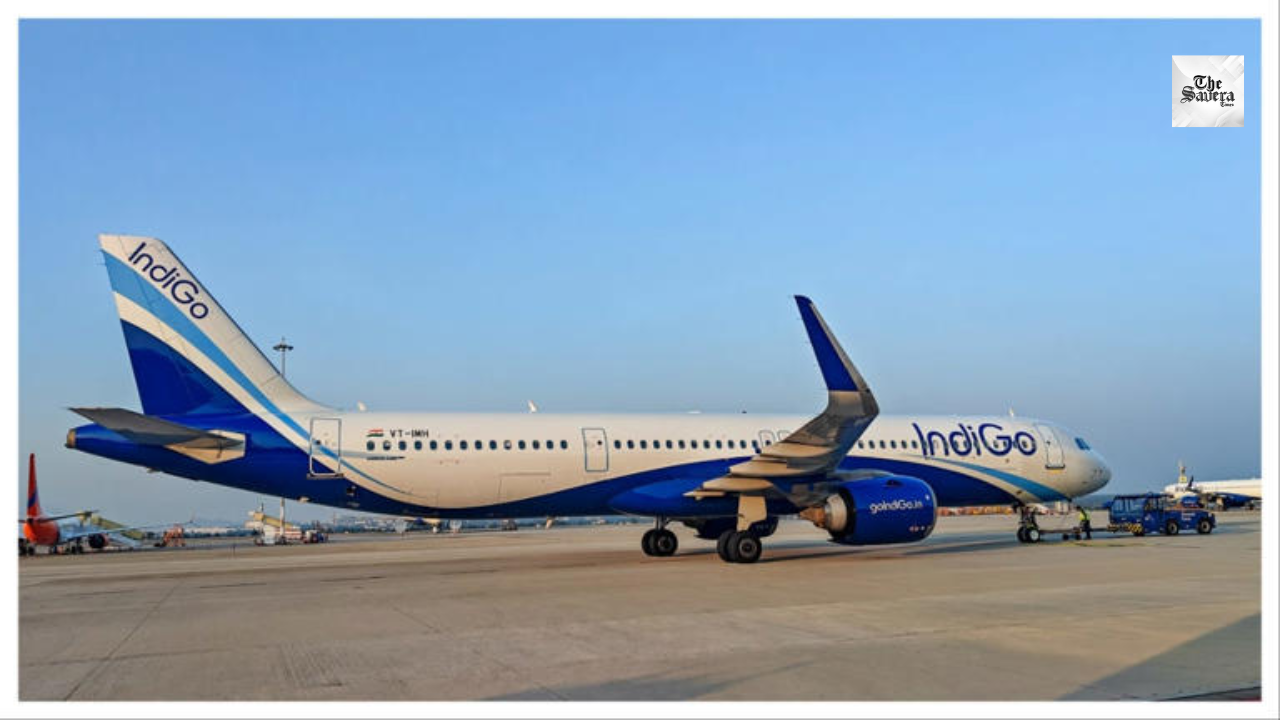
The Government of India has decided to lift its temporary cap on domestic airfares, allowing airlines to set ticket prices freely once again from March 23, 2026. The cap had been imposed last year amid disruptions in flight operations and soaring ticket prices, but with stabilisation in the aviation sector, the government says the restriction is no longer necessary.
Introduced in December 2025, the airfare cap was first applied during market turmoil caused by a major flight disruption by a leading carrier, intended to protect passengers from sharp fare spikes. Now, with airlines recovering and flight schedules normalised, regulators have authorised a return to market‑driven pricing.
The decision comes against the backdrop of skyrocketing operating costs, particularly for aviation turbine fuel (ATF) a major expenditure for airlines that can account for up to 40% of operating costs. International conflicts, especially tensions in the Middle East, have disrupted oil supply routes and pushed jet fuel prices higher, intensifying financial strain on carriers. Airlines had warned the government that the cap was increasingly untenable under these conditions.
Airlines such as Air India and its peers have already introduced fuel surcharges to mitigate rising costs, reflecting the need for flexible pricing amid prolonged volatility in global fuel markets
Under the previous fare cap regime, the government had set maximum price ceilings for one‑way domestic air tickets for example ₹7,500 for shorter routes (up to about 500 km) and ₹15,000 for longer sector tickets. These limits applied to headline fares before taxes and fees and aimed to curb the sudden surge in airfares experienced during the operational chaos associated with the mid‑2025 scheduling crisis.
The crisis, which involved thousands of flight cancellations by a major carrier amid crew scheduling rule changes, had destabilised domestic flight operations and prompted regulatory intervention. With that situation eased and operations stabilised, authorities judged that fare caps were no longer essential.
Now that domestic carriers have pricing freedom, airfares are expected to trend upward, especially on high‑demand routes and short‑notice bookings. Analysts say that airlines will factor in fuel surcharges and other cost pressures into dynamic pricing models, likely making flying more expensive for many passengers.
While this shift provides relief to airline finances, travellers particularly students, senior citizens, and middle‑income flyers may feel the pinch as ticket prices reflect full operating costs. The government, while lifting the cap, has urged airlines to ensure pricing remains reasonable and transparent.
India’s aviation sector is currently grappling with several cost pressures beyond fuel prices. A weakening rupee increases expenses for aircraft leases and maintenance, and airlines face competition for slots and capacity amid rising global demand. Regional geopolitical tensions have also forced some flight path changes and operational adjustments, adding further costs.
Despite these challenges, demand for travel remains strong, and airlines are cautiously optimistic about maintaining schedules and service standards.
The Ministry of Civil Aviation has justified the move as a balance between protecting passengers and ensuring the financial sustainability of airlines. Regulators have indicated that while pricing freedom is restored, they will continue to monitor the market closely to avoid unfair fare practices.
Officials also note that fare caps are typically used only in exceptional circumstances, not as a permanent regulatory tool, and lifting them signals a return to normalcy in the aviation sector.
Bengaluru: A 20-year-old BTech student died after allegedly suspiciously jumping from the sixth floor of a building at...

New Delhi: The Supreme Court on Friday agreed to hear, on October 26, an application concerning a pregnant...
New Delhi: The Supreme Court on Friday agreed to hear, on October 26, an application concerning a pregnant...
Jaipur: The rescue operation to recover nine-year-old Bhomaram, who fell into a borewell in Nausar village in the...
Jaipur: The Supreme Court of India on Wednesday has provided a major relief to the Former Rajasthan Public...
New Delhi: Cockroach Janta Party (CJP) founder Abhijeet Dipke on Friday defended the party’s protests, asserting that peaceful...
Aries: The day will be auspicious...