Last Updated: October 16, 2026
Last Updated: October 16, 2026






Europe is going through one of the worst heatwaves in its history. Cities are facing extreme temperatures, roads are melting, and electricity demand is rising sharply as people try to stay cool. This powerful heatwave is being driven by a combination of natural weather patterns and climate change, and it is affecting millions of people across the continent.
Background and Why It Is So Severe
This heatwave began around the middle of June 2026 and has spread across Western, Central, and Southern Europe.
Weather experts say the main reason behind it is something called an “omega block.” This is a high-pressure weather system shaped like the Greek letter Omega, or Ω. It acts like a lid over Europe, trapping very hot air coming from the Sahara Desert and preventing cooler weather systems from moving in.
Because of this, skies have remained clear, sunshine has been intense, and temperatures have continued to rise.
In many places, temperatures are running 5 to 12 degrees Celsius above normal. France recorded a scorching 44.3 degrees Celsius, while countries including Germany, Spain, and the United Kingdom also saw record-breaking June temperatures.
Scientists say climate change has made this heatwave much more severe. Europe is warming nearly twice as fast as the global average, and experts believe an event of this scale would have been extremely unlikely without human-driven climate change.
How It Is Affecting Daily Life
The extreme heat is creating major problems in everyday life.
Roads and railway tracks are bending and cracking because of the high temperatures, causing traffic disruptions and train delays. Power systems are under pressure as millions of people use fans, coolers, and air conditioners to stay comfortable.
The challenge is even greater because many European homes do not have air conditioning. Across Europe, only about one in five homes has an AC system.
At the same time, wildfires are spreading in countries such as Spain and Italy. Schools have been forced to close in some areas, outdoor events have been cancelled, and hospitals are seeing a growing number of heat-related patients.
Even during the night, temperatures are staying unusually high, making it difficult for people to recover from the daytime heat.
The heat is also worsening drought conditions, reducing water supplies and damaging crops. In some regions, electricity demand has reached levels not seen in decades.
Tragic Toll: Deaths and Human Cost
Sadly, this heatwave has already taken a heavy toll on human life.
According to the World Health Organization, more than 1,300 excess deaths have been linked to the heat across Europe since June 21.
France alone has reported around 1,000 deaths, many involving elderly people who are especially vulnerable to extreme temperatures. Spain has also reported hundreds of heat-related deaths.
There have been other tragic incidents as well. More than 40 people have reportedly drowned in France while trying to cool off in rivers, lakes, and coastal waters. Some children have also lost their lives after being left in overheated vehicles.
Health experts say older adults, people with existing medical conditions, and outdoor workers are among those facing the greatest risk.
Emergency services across Europe have reported a sharp increase in calls, and officials warn that the final death toll could rise further as more data becomes available.
Government Actions and Response
Governments across Europe have responded by issuing the highest-level heat alerts in many regions.
People are being advised to stay indoors during the hottest hours of the day, drink plenty of water, avoid heavy physical activity, and regularly check on elderly neighbors and family members.
France and several other countries have activated emergency heat action plans and opened cooling centers where people can find relief from the extreme temperatures.
Many schools have either switched to online classes or shortened school hours. Some regions have introduced water-use restrictions, while energy authorities are preparing for possible power shortages.
Experts say Europe also needs long-term solutions, including better-insulated buildings, more green spaces in cities, stronger infrastructure, and greater use of renewable energy to cope with rising temperatures.
Conclusion
This heatwave is a powerful reminder of the human and economic impact of extreme weather.
Scientists warn that as the climate continues to warm, severe heatwaves could become more frequent and more dangerous.
For now, the most important message is simple: follow official warnings, stay hydrated, avoid unnecessary exposure to the sun, and look out for those who may be most at risk.
Europe is facing a difficult summer, and the lessons from this heatwave may shape how the continent prepares for future climate challenges
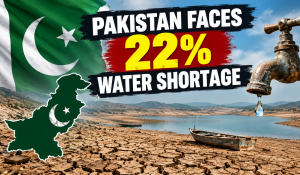
Pakistan is heading into its wheat-growing season with a serious water problem. The country is facing a projected...
Imagine a foreign national standing among Indian citizens at a political protest, raising questions about the government or...

For thousands of Indian tech workers in the United States, a job offer is only the beginning of...

Three years ago, on October 7, 2023, Israel woke up to one of the deadliest attacks in its...

Imagine being seriously injured inside a flying aircraft, with blood on your clothes, passengers in panic and the...

Imagine the world’s biggest diesel exporter turning off its export taps. That is the concern after US President...

Aries: The day will be auspicious...