Last Updated: October 12, 2026
Last Updated: October 12, 2026





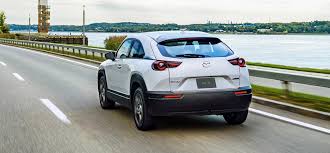
The global automotive industry is witnessing a major shift with the rise of electric vehicles (EVs). Once considered a niche segment, EVs are now increasingly becoming mainstream due to advancements in battery technology, rising environmental awareness, and government incentives. These vehicles promise to reduce greenhouse gas emissions and reshape the way people commute.
Electric vehicles use electric motors powered by rechargeable batteries, eliminating the need for conventional fossil fuels. One of the most significant advantages of EVs is their contribution to reducing air pollution. Cities suffering from vehicle emissions can benefit from cleaner air, which in turn can lead to better public health outcomes, particularly for respiratory and cardiovascular conditions.
Battery technology has been the backbone of EV development. Lithium-ion batteries, which dominate the market, have seen significant improvements in energy density and efficiency. Newer solid-state batteries are under development, promising longer ranges, faster charging, and improved safety. With these advancements, range anxiety—the fear of running out of charge mid-journey—is steadily decreasing, making EVs more practical for daily commuting and long-distance travel.
Charging infrastructure is another key aspect of EV adoption. Governments and private companies worldwide are investing heavily in public charging stations. Innovations such as fast chargers, wireless charging pads, and solar-powered charging stations are making EVs more convenient than ever. Some cities now include EV charging facilities in public parking lots, shopping centers, and workplaces, ensuring drivers have easy access to power.
Cost has historically been a barrier for EV adoption, but this is changing. While the initial purchase price of electric vehicles may still be higher than traditional cars, the lower cost of electricity compared to petrol or diesel and reduced maintenance requirements make EVs more economical in the long run. Electric motors have fewer moving parts than internal combustion engines, which translates to less wear and tear, fewer repairs, and longer vehicle lifespan.
The automotive industry is also exploring innovations like vehicle-to-grid technology, which allows EVs to store excess electricity and feed it back into the grid when needed. This not only enhances energy efficiency but also creates a new dimension of energy management. Smart charging systems enable users to schedule charging during off-peak hours, further reducing electricity costs and easing pressure on the grid.
Automakers are diversifying EV offerings to cater to various consumer needs. From compact city cars to SUVs and luxury vehicles, the market now provides options for every preference. Global giants and startups alike are contributing to this evolution, pushing both performance and affordability. Countries such as Norway, China, and the Netherlands have become leaders in EV adoption, offering incentives like tax breaks, free parking, and access to carpool lanes to encourage use.
Environmental concerns remain the primary motivation behind EV adoption. Reducing dependence on fossil fuels contributes to mitigating climate change and decreasing the carbon footprint of transportation. EVs powered by renewable energy sources, such as solar or wind, can achieve nearly zero emissions, representing a sustainable alternative to conventional vehicles.
Public awareness campaigns, government policies, and technological improvements are together accelerating the transition toward electric mobility. Urban planners and policymakers are also encouraging EV-friendly infrastructure, including dedicated lanes, parking facilities, and charging networks.In summary, electric vehicles represent a paradigm shift in transportation. With cleaner technology, lower operational costs, and growing infrastructure support, EVs are positioned to replace conventional cars gradually. As the industry continues to innovate, the promise of a cleaner, greener, and more sustainable transportation system is becoming increasingly achievable.
The Delhi Police has registered an FIR regarding the alleged disturbance at the Bangla Sahib Gurdwara in...

The Delhi Police on Monday removed Jantar Mantar from the list of officially designated protest sites. The police...

The Supreme Court on Monday clarified that it has not passed any judgment on the Election Commission's (ECI)...

The Kerala Assembly passed a resolution demanding the removal of Chief Election Commissioner (CEC) Gyanesh Kumar from his...

Amidst heavy security and barricades by the Delhi Police, INDIA Bloc leaders began a protest march towards the...

The Reserve Bank of India (RBI)'s new measures to curb speculation in the rupee and maintain stability in...