Last Updated: October 5, 2026
Last Updated: October 5, 2026





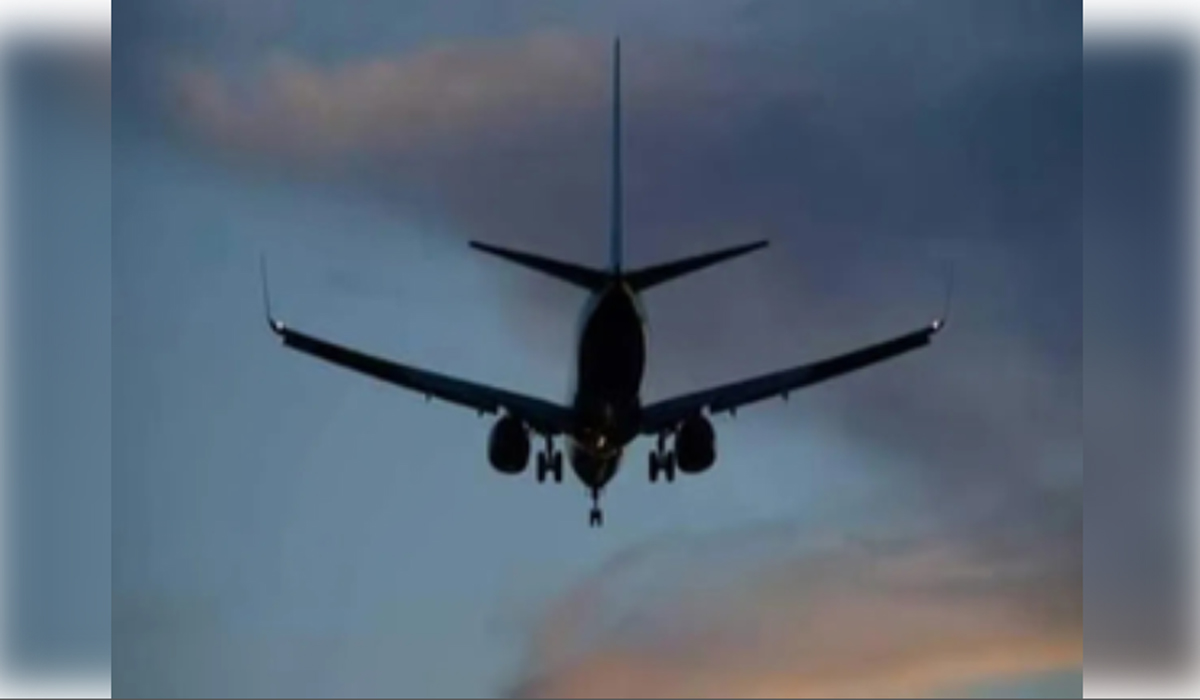
The crash of a UPS cargo plane in Louisville has become more than a breaking news event. It has prompted a closer look at the demands of air freight, the risks of aging aircraft, and how disasters unfold in seconds despite layers of safety systems. The incident, which occurred on a Tuesday evening in Kentucky, resulted in at least seven deaths and injuries to several others.
The aircraft caught fire shortly after takeoff, struck nearby buildings, and triggered explosions that kept firefighters on the ground for hours. Beyond the statistics, the episode reveals the fragile edge on which aviation often operates. The flight, identified as UPS 2976, was scheduled to travel from Louisville Muhammad Ali International Airport to Honolulu.
The cargo plane, a McDonnell Douglas MD-11, had three crew members onboard. The aircraft managed to lift off briefly, climbing only to a low altitude before descending sharply. Video footage circulating online showed flames on the left side of the plane as it attempted to climb.
The aircraft reached a recorded height of about 175 feet before it lost control, veered off the runway area, and went down with force. What followed was a violent blaze fueled by the large volume of fuel the aircraft was carrying for the long flight ahead. Officials later confirmed that the plane was loaded with nearly 38,000 gallons of fuel. This intensified the fire and resulted in secondary explosions when the wreckage struck nearby businesses, including a petroleum recycling facility and an auto parts warehouse. Louisville’s fire chief described a dangerous situation involving ruptured storage tanks, leaking fuel, and long-running flames that required hundreds of firefighters to contain. The death toll includes all three occupants of the plane, along with at least four people on the ground. Eleven others were taken to the hospital with injuries.
Authorities have said that the number could rise as they continue to search the crash zone. Homes and businesses in the area were asked to stay indoors due to the possibility of lingering smoke and air contamination. Flights in and out of the airport were suspended temporarily, and the Federal Aviation Administration restricted the airspace around the site. Kentucky Governor Andy Beshear and Louisville Mayor Craig Greenberg acknowledged the scale of the tragedy, noting that the crash took place in a dense industrial zone close to residential neighborhoods.
Both stressed that early evidence suggests the aircraft was not carrying hazardous cargo that would pose a wider environmental threat. However, officials pointed out that the enormous fuel load alone made the situation extremely dangerous. As with any major aviation accident, the National Transportation Safety Board has taken charge of the investigation. The board will study flight data, maintenance records, engine debris, and video evidence. One detail that will be examined closely is footage that suggests an engine separated from the aircraft before impact. Aviation experts say that while the MD-11 has served global cargo fleets for decades, it is a challenging aircraft to handle under certain conditions, particularly during takeoff and landing.
For now, the site remains a charred and smoky reminder of how fast disaster can unfold, even in an industry built on training, redundancy, and safety regulation. The investigation may take many months to produce answers. Until then, families grieve, workers rebuild, and the wider aviation community watches closely, aware that every accident becomes part of the next step in learning how to prevent the next one.
The Nepali government has decided to call off the search and rescue operations launched following the deadly floods...
Concerns have grown over a possible infectious disease in Russia's Siberian region. A 28-year-old laboratory worker died after...
Donald Trump appeared to mistakenly refer to India while commenting on Brazil's presidential election, claiming 125 million people...

Najaf International Airport receives its first direct flight from Tehran after a US waiver, restoring air connectivity between...
The Balochistan Liberation Front has claimed that 18 Pakistani Frontier Corps personnel were killed and several injured in...
A lab worker at Russia's Irkutsk Anti-Plague Research Institute has died after severe pneumonia, with nearly 200 people...

Aries: The day will be auspicious...