Last Updated: October 26, 2026
Last Updated: October 26, 2026





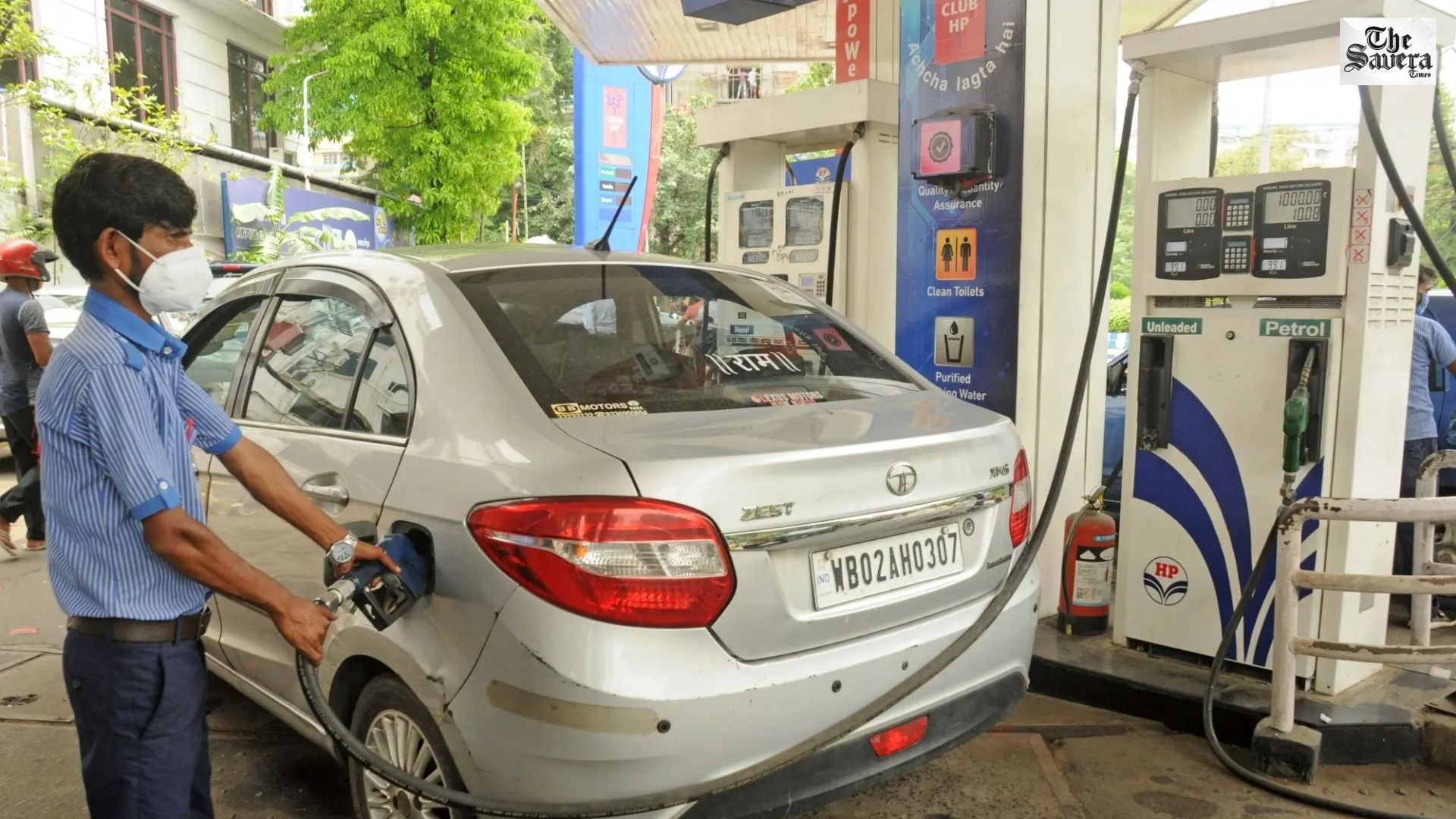
New Delhi, March 27: The Government of India has recently announced a reduction in excise duty on petrol and diesel by approximately ₹10 per liter. This move comes at a time when global crude oil prices have been witnessing significant volatility, driven by geopolitical tensions and supply uncertainties. Excise duty is a central tax imposed on fuel, and it forms a substantial portion of the retail price consumers pay at petrol pumps. By cutting this tax, the government essentially reduces its share in the fuel pricing structure, allowing some relief to flow into the system. However, the real impact of this decision is more nuanced than it appears at first glance.
The primary trigger behind this move is the sharp rise in global crude oil prices. International developments, particularly in oil-producing regions, have led to supply disruptions and increased costs of crude imports for India, which relies heavily on imports to meet its energy needs.
If these rising costs were fully passed on to consumers, petrol and diesel prices would have surged sharply, impacting household budgets and business expenses alike. To prevent such a scenario, the government intervened by reducing excise duty.
This step is aimed at cushioning the economy from inflationary pressures. Fuel prices have a cascading effect on the cost of goods and services, especially in a country like India where road transport plays a crucial role in logistics. By stabilizing fuel prices, the government hopes to keep inflation in check.
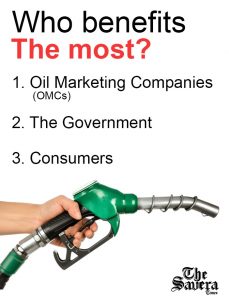
The biggest immediate beneficiaries of the tax cut are oil marketing companies such as Indian Oil, Bharat Petroleum, and Hindustan Petroleum. These companies had been under pressure due to rising crude oil prices while retail fuel prices remained relatively stable. This mismatch often leads to under-recoveries, where companies sell fuel at a loss or reduced margins.
The excise duty cut allows these companies to adjust their pricing without drastically increasing retail rates. In effect, it helps them recover costs and maintain financial stability.
At first glance, it may seem that the government loses out due to reduced tax collection. While this is true in terms of direct revenue, the broader picture is more complex. By preventing a spike in fuel prices, the government can control inflation, which is a key economic priority. High inflation can lead to reduced consumer spending, slower economic growth, and political dissatisfaction.
Thus, the tax cut can be seen as a strategic move to maintain economic stability and public confidence, even at the cost of short-term revenue loss.
For the average consumer, the benefit is indirect and somewhat limited in the short term. Many people expect fuel prices to drop immediately after a tax cut, but that may not always happen. Instead of reducing prices significantly, oil companies may use the tax relief to offset higher crude costs. This means that while consumers may not see a noticeable decrease in fuel prices, they are protected from a potential sharp increase.
In simple terms, the tax cut acts as a buffer rather than a direct discount.
For everyday consumers, the fuel tax cut has several implications:
Even though the benefit is not immediately visible at the petrol pump, it plays a crucial role in maintaining overall economic balance. For businesses, especially those dependent on transportation—such as logistics, e-commerce, and agriculture—the stability in fuel prices is a major relief. It helps them manage costs and avoid passing additional expenses onto consumers.
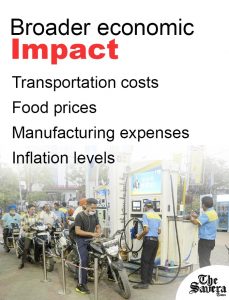
Fuel prices are deeply interconnected with the economy. A rise in petrol and diesel prices affects:
By cutting excise duty, the government aims to break this chain reaction. Stable fuel prices help keep inflation under control, which in turn supports economic growth. Moreover, this move sends a signal to markets that the government is willing to intervene when necessary to protect the economy from external shocks.
While the tax cut has clear benefits, it also comes with certain trade-offs. The most significant is the loss of government revenue. Excise duty on fuel is a major source of income for the central government. A reduction in this tax means fewer funds available for public spending on infrastructure, welfare schemes, and development projects. Additionally, if global oil prices continue to rise, the government may face pressure to cut taxes further, which could strain fiscal resources.
The fuel tax cut is best understood as a preventive measure rather than a direct benefit. It is designed to shield consumers and the economy from the adverse effects of rising global oil prices. While you may not see an immediate drop in fuel prices, the decision helps ensure that prices do not increase sharply. It also plays a critical role in controlling inflation, supporting businesses, and maintaining economic stability. In a global environment marked by uncertainty and volatility, such measures highlight the importance of proactive policymaking. The fuel tax cut, therefore, is not just about petrol and diesel; it is about safeguarding the broader economic ecosystem.
Four people were declared dead at Dhar district hospital after a car caught fire near Sadalpur in Madhya...

Several people were injured when five vehicles at the rear of Rahul Gandhi’s convoy collided with an ambulance...

The 17-year-old son of an Additional District Judge has been granted bail in a fatal road accident case...

Jamia Millia Islamia has accepted key demands of protesting students after 14 days of agitation. The university will...

Cyclone Arnab has intensified over the Bay of Bengal, prompting an IMD red alert for Andhra Pradesh and...

Start your day with The Savera Morning Brief, bringing you the top India and world news, including politics,...

Aries: The day will be auspicious...