Last Updated: October 1, 2026
Last Updated: October 1, 2026





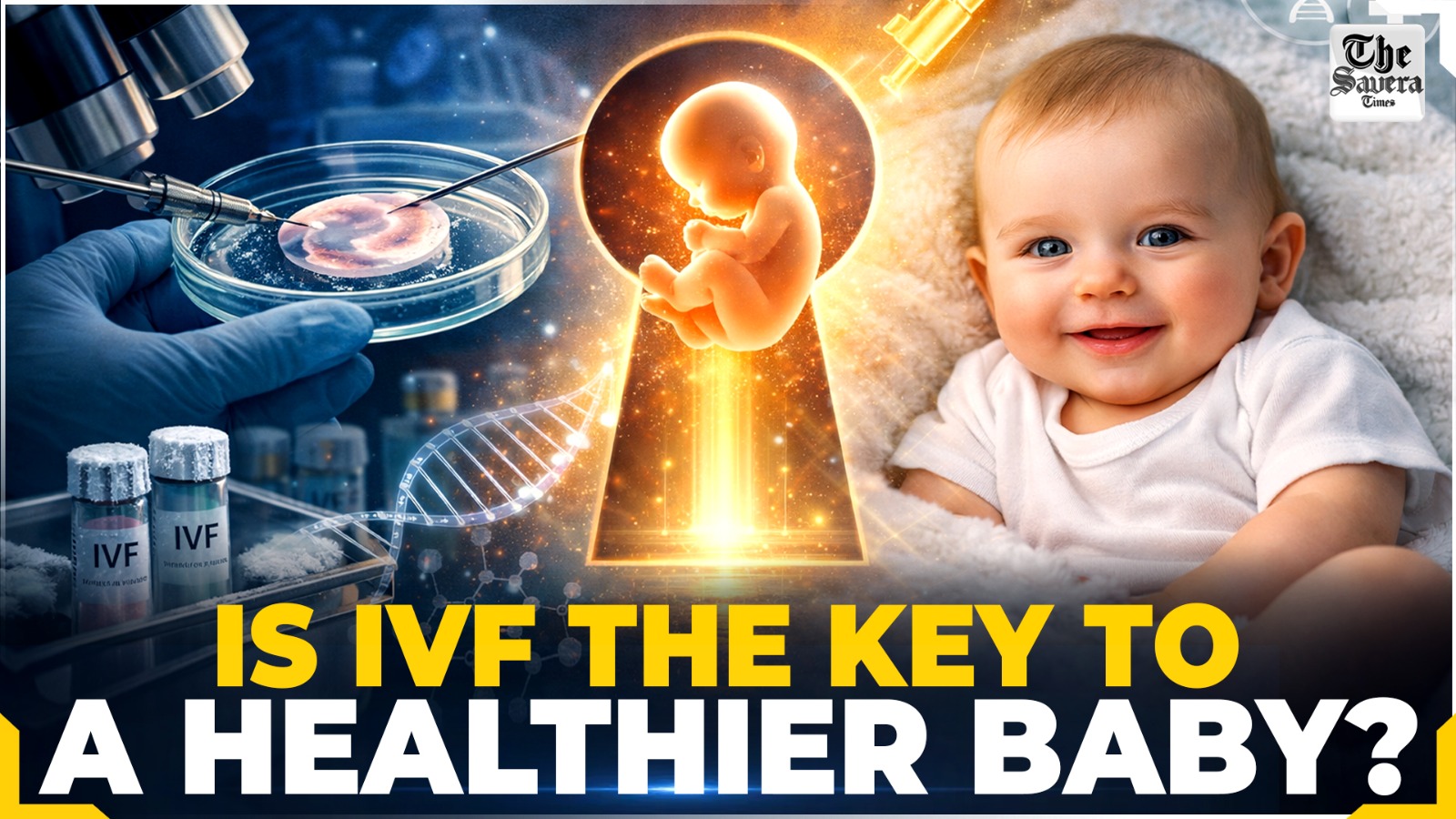
New Delhi: Science cannot rewrite destiny, but it can certainly help choose a healthier path. When it comes to genetic disorders, modern medicine does not promise a cure before birth—but it does offer something just as powerful: prevention.
Through IVF and genetic testing, parents today can reduce the risk of passing serious inherited diseases to their children, changing how families plan for the future.
What Is IVF?
IVF, or In Vitro Fertilization, is a medical process where an egg and sperm are combined outside the body in a laboratory. Once fertilization happens, the embryo is allowed to grow for a few days. After careful monitoring, one healthy embryo is placed into the woman’s uterus to begin pregnancy. IVF is commonly used when natural pregnancy is difficult, but it also plays an important role in reducing genetic risks.
Why Parents Choose IVF
Many parents opt for IVF not just to conceive, but to protect their child’s health. Couples who carry genetic diseases, have a family history of inherited disorders, face repeated miscarriages, or are planning pregnancy at an older age often choose IVF. For them, IVF offers better control and informed decision-making before pregnancy even begins.
Can IVF Cure Genetic Disorders?
The direct answer is no—IVF cannot cure genetic disorders. Genetic conditions are caused by changes passed from parents to child at birth. However, IVF helps reduce the risk by allowing doctors to test embryos before pregnancy. Instead of discovering a disorder after birth, IVF helps prevent certain conditions from being passed on in the first place.
Role of Genetic Testing in IVF
This prevention is made possible through Preimplantation Genetic Testing, also known as PGT. PGT allows doctors to examine embryos created during IVF and select those that are less likely to carry genetic problems. This step is key in lowering the chances of inherited diseases, though it cannot completely eliminate all risks.
PGD and PGS: What’s the Difference?
There are two main types of genetic testing used with IVF. PGD, or Preimplantation Genetic Diagnosis, is used when parents know they carry a specific genetic disease like sickle cell anemia or cystic fibrosis. PGS, or Preimplantation Genetic Screening, checks embryos for chromosome problems, which are more common with increasing maternal age or repeated pregnancy loss. Both tests help identify healthier embryos.
How Do PGD and PGS Work?
During IVF, a very small sample of cells is taken from the embryo. These cells are tested in a laboratory to look for genetic or chromosome issues. Embryos that show no major problems are chosen for transfer to the uterus, improving the chances of a healthy pregnancy.
Benefits and Risks
The biggest benefit of IVF with genetic testing is reduced risk of inherited disorders, higher success rates, and peace of mind for parents. However, it is not risk-free. There is a small chance of embryo damage during testing, and IVF does not guarantee a completely disorder-free child. Still, for many families, the benefits outweigh the risks.
IVF with genetic testing costs more than standard IVF, but many parents see it as an investment in their child’s future. In the end, IVF does not cure genetic disorders—but it offers families a powerful chance to prevent them, making healthier beginnings possible, even if perfection cannot be promised.
Imagine the world’s biggest diesel exporter turning off its export taps. That is the concern after US President...

One handshake, two superpowers and a long list of disagreements. US President Donald Trump and Chinese President Xi...

A river does not understand borders. But when two countries sharing that river are locked in a long-running...

A voter list revision — and now a software controversy A voter may have the right to vote,...

Self-medication is a global phenomenon and a potential contributor to antimicrobial resistance. The adverse consequences of such practices...

A conflict already threatening the Strait of Hormuz is now putting another crucial waterway in the spotlight —...

Aries: The day will be auspicious...