Last Updated: November 8, 2026
Last Updated: November 8, 2026





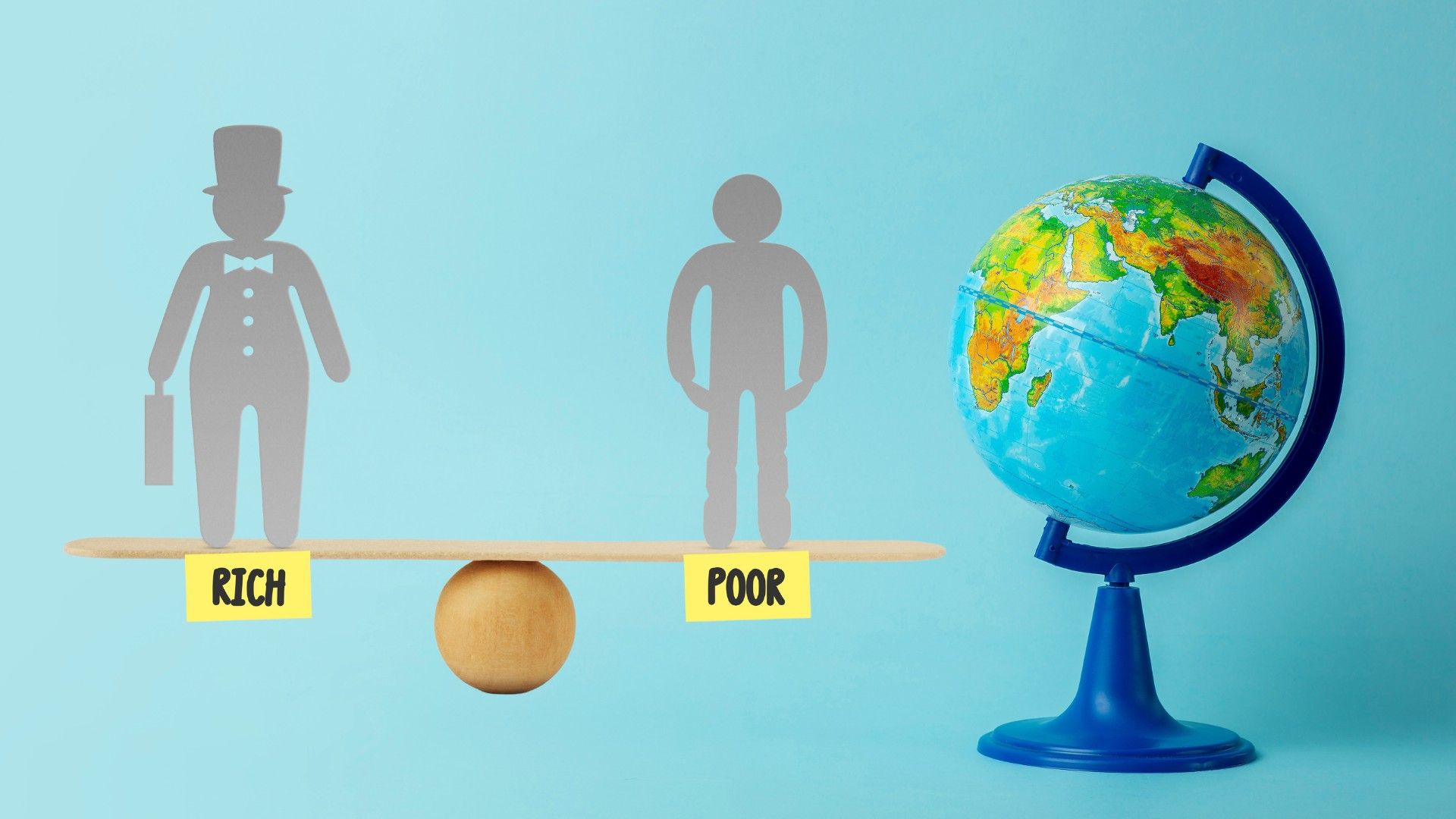
The Joint United Nations Programme on HIV/ AIDS has warned that rising inequality is increasing the world’s vulnerability to pandemics and deepening their long-term social and economic damage. The findings are part of a new report, Breaking the Inequality– Pandemic Cycle: Building True Health Security in a Global Age, released ahead of the G20 meetings in Johannesburg later this month.
The report was prepared by the Global Council on Inequality, AIDS and Pandemics, which spent two years studying how social and economic divides shape disease outcomes. Using data on HIV from 217 countries and COVID19 from 151 countries, the researchers found that societies marked by high inequality consistently struggled to respond effectively to health crises. In these countries, mortality rates were higher, infections spread faster, and recovery took longer. More equal societies, by contrast, were better equipped to manage public health threats and protect vulnerable populations.
The report says that inequality in access to housing, healthcare, education, and employment creates conditions where diseases can spread more easily. People in crowded or unstable living environments, for example, have fewer means to isolate during outbreaks. The council cited evidence that informal settlements in African cities show significantly higher HIV prevalence than formal neighbourhoods.
In Namibia, surveys found poorer and less educated women at greater risk of HIV infection. During the COVID-19 pandemic, England saw higher death rates in densely occupied housing, while in Brazil people without basic education were several times more likely to die from the virus than those who completed primary schooling. The report also highlighted global disparities in pandemic preparedness. Many low-income countries cannot easily access vaccines, medical supplies, or emergency financing during crises. This leaves outbreaks uncontrolled for longer periods, increasing global disruption.
Migrant populations face additional challenges. A meta-analysis covering 53 million people in high-income countries revealed that migrants were 84 per cent more likely to contract COVID-19 than non-migrants, especially in North America and northern Europe. Economic insecurity is also linked to poorer health outcomes. In South Africa, health survey data showed that unemployed men and women were at higher risk of HIV infection than those with stable incomes.
The report argues that global health security depends on addressing inequality before pandemics emerge. It calls for fairer access to medicines across countries, stronger support for regional drug manufacturing, and an automatic waiver of intellectual property rights when a pandemic is declared. According to the council, reducing inequality is essential to preventing future outbreaks from becoming global crises
At least 11 people were killed after airstrikes hit Ash Sharyah village near Yemen's capital, Sanaa, according to...

A mural of Rabindranath Tagore at Bangladesh's Khulna Railway Station was defaced with black ink. Police have launched...

US President Donald Trump has described the confrontation with Iran as “not a war”, claiming Washington has made...

American governors and federal leaders celebrated Diwali while recognising the contributions of Indian Americans. President Donald Trump received...

Washington: A 30-year-old Venezuelan national was arrested near the White House after US Secret Service agents discovered three...

Washington: US President Donald Trump outlined plans for a sprawling aerospace exhibition venue at Florida’s former space shuttle...

Aries: The day will be auspicious...