Last Updated: October 16, 2026
Last Updated: October 16, 2026





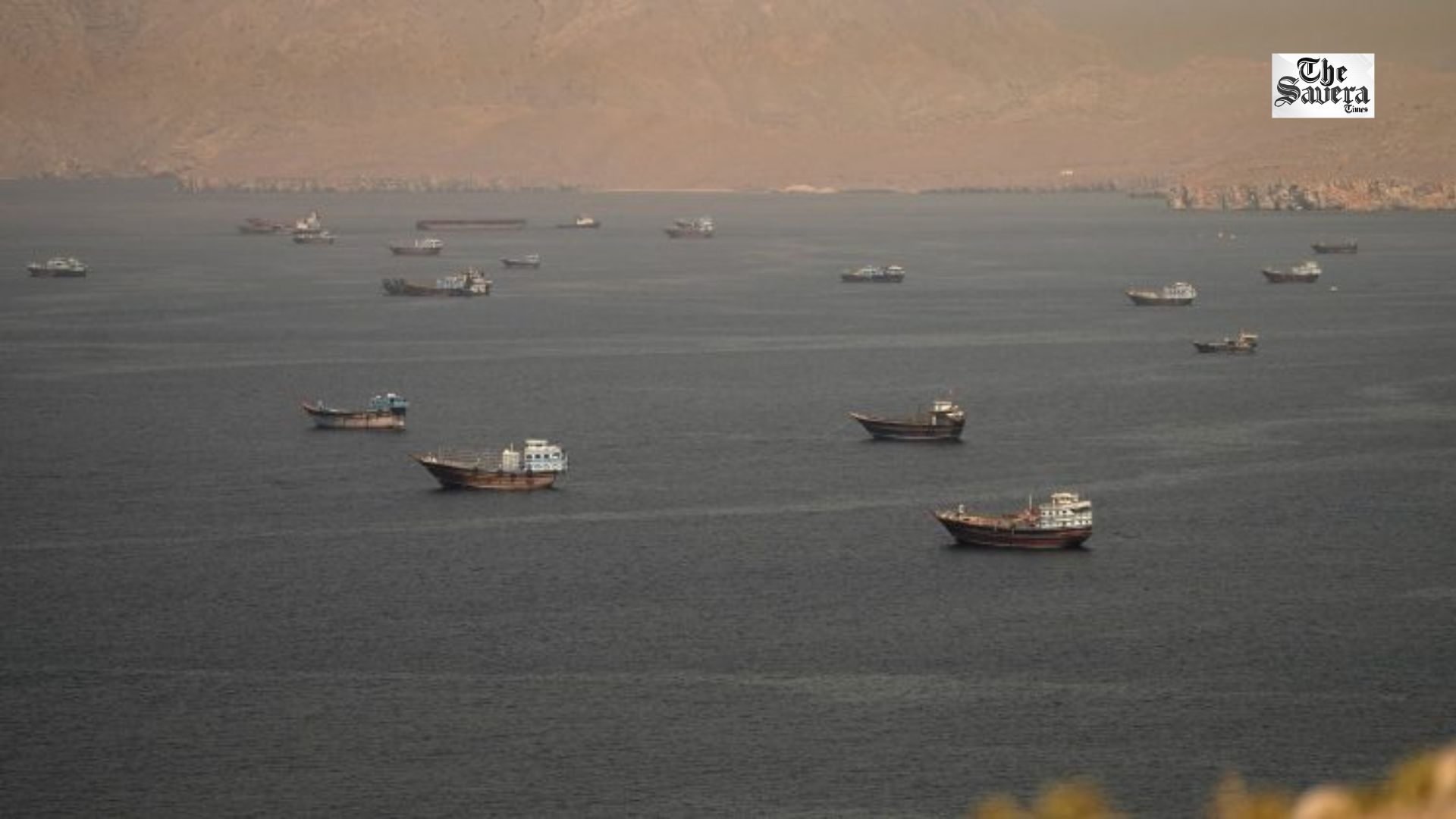
Although a ceasefire was reached approximately 110 days into the conflict involving the US, Israel, and Iran, the divergent stances of the nations involved continue to hinder the establishment of lasting peace. US President Donald Trump boasts that they have prevented Iran from developing a nuclear bomb and that the route through Hormuz is now fully open to the world.
Conversely, Iran maintains an aggressive posture; it seeks to negotiate from a position of strength following the two-month ceasefire. While the Hormuz route is currently open—with cargo ships and container vessels moving freely—Iran intends to take control of the strait after 60 days, permitting only those nations that pay a fee to use the passage. The threat to close the strait has proven highly effective for Iran; it frequently threatens to shut down Hormuz in response to Trump’s bluster. Meanwhile, Israel—a third party in this dynamic—has refused to act as a puppet for the US, declaring that it will continue its strikes against terrorists, whether they belong to Hamas or Hezbollah.
Iran threatens to close Hormuz again should attacks be launched against Hezbollah in Lebanon. Consequently, the ceasefire agreement remains fragile, constantly at risk of collapse. In a research report, S&P noted that while crude oil prices have dropped below $80 per barrel and LNG prices hover near $15 per million British thermal units (MMBtu) following the peace agreement, this does not signify a fully recovered market, as the restoration of supply flows remains sluggish.
While petroleum gas and agricultural fertilizers are already under pressure from energy, freight, and raw material costs, market sentiment is also being unsettled by the uncertainty surrounding the continued openness of the Strait of Hormuz. Consequently, petroleum prices are fluctuating, and the stock market is experiencing volatility. In short, only a permanent resolution to the Hormuz issue will pave the way for peace, development, and increased investment in the region; otherwise, the common man will continue to live in fear that a normal situation could suddenly turn abnormal.
Air India and Air India Express have suspended flights to Riyadh, Jeddah and Dammam until October 20. IndiGo...

Manjit Singh Bedi, 64, has been returned to the United States after being arrested in India. He faces...

A Houthi attack on the al-Maashiq Presidential Palace in Aden killed five people and injured 16, amid intensifying...
A shooting at Silver Rail Elementary School in Bend, Oregon, left three children and a teacher dead. The...

Prime Minister Narendra Modi will visit Canada on December 11-12, 2026, with both countries aiming to strengthen strategic...
US Vice President JD Vance has warned that anyone found selling access to the White House should face...

Aries: The day will be auspicious...