Last Updated: October 30, 2026
Last Updated: October 30, 2026





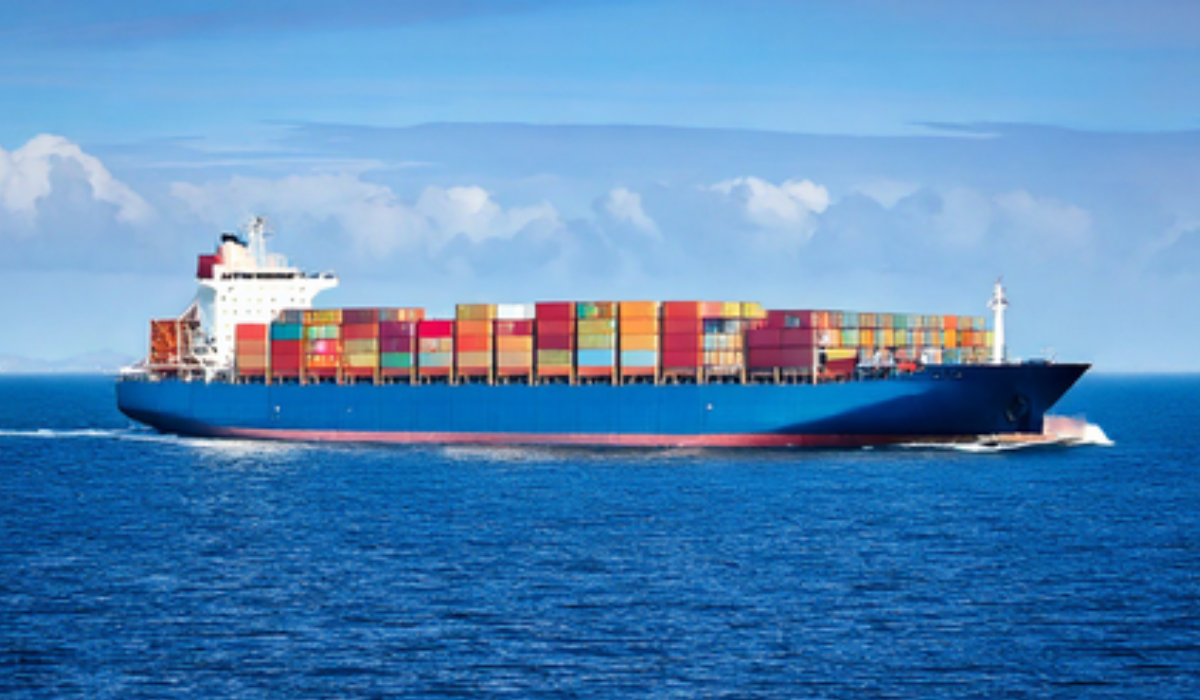
China’s growing investments in African ports undermine the sovereignty of African nations and are being repurposed for military and intelligence uses.
China has invested $50 billion in African port infrastructure since 2013. These investments are part of the Belt and Road Initiative (BRI) and include port enhancements, railway projects, and industrial zone development.
China is financing, constructing, operating, or holding equity stakes in nearly 78 trade ports across 32 African countries. While these investments have boosted trade with China, analysts say many agreements lack transparency and leave governments burdened with heavy debt obligations and long-term operational dependencies.
African ports are increasingly using Chinese automation and artificial intelligence systems that require ongoing financial commitments for maintenance. A researcher at the Africa Center for Strategic Studies warned that dependence on Chinese technical support could cost African nations billions of dollars in the future.
The lack of public access to agreements and weak oversight has raised concerns that Chinese firms could gain influence over strategically important infrastructure through equity participation, long-term leases, or operational management agreements.
Kenya’s Chinese-built Standard Gauge Railway, which was promoted as an economic boon for East Africa and intended to stretch from Mombasa and Nairobi to Uganda, currently ends in a cornfield about 468 kilometres short of the Ugandan border.
On average, Kenya spends more than $1 billion annually to service its railway debt to China, which remains the country’s largest external creditor.
Analysts have also raised concerns that China may be using African ports for military purposes, citing a significant increase in port visits by the People’s Liberation Army Navy (PLAN).
A prominent example is Djibouti’s Chinese-developed Doraleh Port, which was converted into China’s first overseas military base in 2017.
Hong Kong was once celebrated as Asia’s ultimate success story is now enduring economic and social hardship due...

Pakistan’s abrupt decision to bar Taiwanese commercial airlines from using its airspace, followed by an equally swift U-turn,...
Bangkok: India and Thailand on Thursday held discussions on further strengthening ties in various sectors, including trade, commerce...

Kabul: At least two people were killed and 10 others sustained injuries in two separate road accidents in...

Defence Minister Rajnath Singh told the ADMM-Plus meeting in Cebu that India's counter-terrorism strategies have been tested through...

US Vice President JD Vance has warned companies against replacing American workers with lower-paid foreign employees. Speaking in...

Aries: The day will be auspicious...