Last Updated: October 16, 2026
Last Updated: October 16, 2026





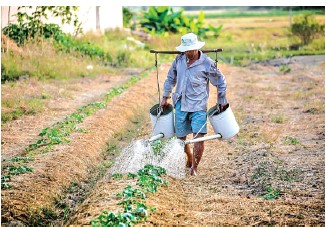
Climate change is no longer a distant environmental concern for India; it is a direct threat to food security. Rising temperatures, erratic rainfall, and extreme weather events are disrupting agricultural cycles, reducing crop yields, and deepening inequalities between regions and social groups. The impact is being felt not only by farmers but also by millions of consumers facing rising food prices and nutritional insecurity.
India’s agriculture remains heavily dependent on the monsoon. Any deviation—delayed onset, uneven distribution, or sudden cloudbursts—has immediate consequences. In recent years, heatwaves during critical crop stages have damaged wheat, rice, and pulses. Unseasonal rains have destroyed standing crops, while prolonged dry spells have reduced soil moisture and groundwater recharge.
Small and marginal farmers, who make up the majority of India’s agricultural workforce, are the most vulnerable. With limited access to irrigation, crop insurance, and institutional credit, a single failed season can push families into debt. Climate shocks often force farmers to sell assets, reduce food consumption, or migrate in search of work. These coping mechanisms weaken long-term resilience and trap households in cycles of vulnerability.
The effects extend beyond rural areas. Urban consumers are increasingly exposed to food inflation driven by climate-related supply disruptions. Price spikes in vegetables, cereals, and edible oils hit low-income households the hardest, forcing them to cut back on protein-rich and nutritious foods. Malnutrition, already a persistent problem, risks worsening as diets become less diverse.Government responses have largely focused on short-term relief—compensation packages, minimum support price adjustments, and food grain distribution. While these measures provide immediate support, they do not address structural weaknesses. Climate-resilient agriculture requires investment in research, water management, crop diversification, and extension services that reach farmers on the ground.
There is also a growing need to rethink cropping patterns. Water-intensive crops continue to be promoted in regions facing severe water stress, driven by procurement policies and political considerations. Encouraging climate-appropriate crops, millets, and pulses could improve resilience while enhancing nutritional outcomes. However, such shifts require market support and consumer acceptance.Technology is often presented as a solution, but its benefits remain uneven. Weather advisories, satellite monitoring, and climate-smart practices can reduce risk, but only if farmers have access to information, inputs, and financial support
Varanasi: A massive explosion triggered the collapse of a two-storey building in Uttar Pradesh’s Varanasi on Thursday, leaving...

Sofia: A vessel sailing under the flag of San Marino caught fire in the Black Sea near Romania...

New Delhi: Accusing the Congress of double-speak on women dignity, the Bharatiya Janata Party (BJP) Mahila Morcha on...

New Delhi: NITI Aayog’s Frontier Tech Hub released a Data Centre Evaluation Framework to help states plan for...
New Delhi: The Supreme Court on Thursday referred the cheque dishonour cases against actor and comedian Rajpal Yadav...

Mirzapur: Uttar Pradesh Chief Minister Yogi Adityanath on Thursday accused the Samajwadi Party (SP) and the Congress of...

Aries: The day will be auspicious...