Last Updated: October 15, 2026
Last Updated: October 15, 2026





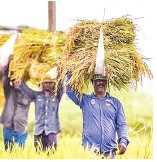
Across rural India, a quiet transformation is underway—one driven not by sweeping headlines or grand policy announcements, but by community innovation and local leadership. From renewable energy initiatives to grassroots education models, villages are demonstrating how sustainable development can take root when people shape solutions for themselves. In many parts of the country, access to basic services was once a persistent challenge. Today, community-led efforts are bridging these gaps with remarkable creativity. Solar-powered irrigation systems, for instance, are helping farmers reduce dependence on erratic electricity and expensive diesel.
These systems not only lower costs but also promote environmentally friendly farming practices. Education has seen similar innovation. In areas where teacher shortages once disrupted learning, local volunteers and retired educators have stepped forward to support schools. Digital classrooms—often run through shared devices and community internet hubs—are expanding access to quality learning materials. Children who once walked long distances to attend school now have opportunities closer to home, supported by collective effort. Women have emerged as key drivers of this rural revival. Self-help groups across states like Kerala, Maharashtra, and Rajasthan have empowered women to manage micro-enterprises, savings collectives, and small-scale manufacturing units.
These initiatives generate income while strengthening social bonds and decision-making power within households and villages. Healthcare access has also improved through community participation. Accredited social health activists (ASHAs), local nurses, and trained volunteers have played a crucial role in spreading awareness about nutrition, maternal health, and preventive care. Mobile health units and telemedicine services, supported by local coordination, now reach areas once considered inaccessible.One of the most encouraging aspects of this transformation is how traditional knowledge is being respected and revived.
Indigenous water-harvesting systems, seed preservation practices, and crop rotation methods are being blended with modern science. This balanced approach enhances resilience while preserving cultural heritage.Digital connectivity has amplified these efforts. Mobile phones and affordable internet access allow farmers to track weather updates, students to attend virtual classes, and artisans to sell products beyond their local markets.
Suva: India and Fiji on Thursday held discussions focused on deepening bilateral ties and reaffirmed their shared commitment...

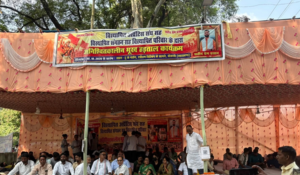
Bokaro (Jharkhand): The protest by trained youth from displaced families affected by the Bokaro Steel Plant (BSL) intensified...
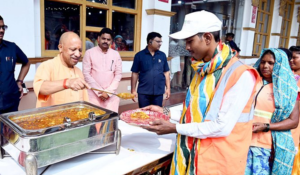
Varanasi: Uttar Pradesh Chief Minister Yogi Adityanath, on a two-day visit to Varanasi, honoured sanitation workers from the...
New Delhi: India’s pharmaceutical sector performed exceptionally well in September 2026, recording the highest monthly growth in the...

Prime Minister Narendra Modi on Thursday inaugurated and dedicated to the nation five major development projects worth approximately...

New Delhi: The Supreme Court on Thursday issued notice to the Election Commission of India (ECI) on a...

Aries: The day will be auspicious...