Last Updated: October 21, 2026
Last Updated: October 21, 2026





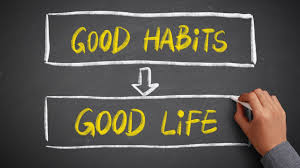
People often associate change with dramatic decisions—new careers, major moves, or sudden lifestyle overhauls. While these moments can be transformative, lasting change is more often built quietly through small, consistent habits. Over time, these modest actions accumulate, shaping lives in profound ways.
Habits function as the invisible architecture of daily life. They determine how time is spent, how energy is managed, and how challenges are approached. Because habits operate automatically, they require less mental effort than constant decision-making. This efficiency makes them powerful drivers of behavior.
Small habits are particularly effective because they lower resistance. A five-minute walk feels manageable, while an hour-long workout may feel overwhelming. Reading one page a day seems trivial, yet it often leads to longer reading sessions. By reducing the psychological barrier to action, small habits encourage consistency.
Consistency matters more than intensity. Research in behavioral science shows that repeated actions, even minimal ones, strengthen neural pathways. Over time, these pathways shape identity. A person who writes a few lines daily begins to see themselves as a writer. Identity-based change is more sustainable than goal-based motivation alone.
Small habits also build momentum. Each completed action reinforces a sense of progress and competence. This positive feedback loop increases motivation, making it easier to expand habits gradually. What begins as a minor adjustment can evolve into a significant lifestyle shift. Importantly, small habits are resilient during difficult periods. Life disruptions often derail ambitious plans, but modest routines are easier to maintain under stress. This resilience ensures continuity even when circumstances are less than ideal.
Habit formation also highlights the importance of environment. Simple changes—placing a book on a bedside table, keeping healthy food visible, or setting reminders—support desired behaviors. By designing environments that make good habits easier, individuals reduce reliance on willpower.
Start your day with The Savera Morning Brief, bringing you the latest news from India and around the...

Union Home Minister Amit Shah will pay tribute to police martyrs at the National Police Memorial in New...

Four more people, including two women, have been arrested in the Tiger Shroff firing case. Delhi Police are...

We are very proud that at present India is the number one country in the world by surpassing...

Every investor wants the wealth-creating power of equity and the reassuring stability of debt. Balanced Advantage Funds attempt...

Tourism is a major source of government revenue in our country. There are different types of tourism. Scenic...

Aries: The day will be auspicious...