Last Updated: October 21, 2026
Last Updated: October 21, 2026





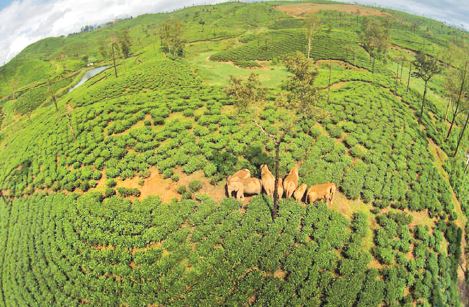
The long-term survival of some of the world’s most iconic species, including elephants and tigers, is at risk from a significant and escalating threat: human-wildlife conflict. Human-wildlife conflict is when encounters between humans and wildlife lead to negative results, such as loss of property, livelihoods, and even life. Defensive and retaliatory killing may eventually drive these species to extinction.
These encounters not only result in suffering for both people and wildlife immediately impacted by the conflict; they can also have a global reach, with groups such as sustainable development agencies and businesses feeling its residual effects. The scope of the issue is significant and truly global, but we are nowhere near being able to address it at the scale needed.
The need for elevating this issue globally and unlocking partnerships and resources to reduce human-wildlife conflict spurred the creation of a new WWF-led report: A Future for All: The need for human-wildlife coexistence. The outcome of an international and multi-organizational collaboration, this report delves into the complexities of human-wildlife conflict, ways to sustainably manage and reduce it, and move towards coexistence with wildlife—all while engaging diverse partners through a call to action. Nilanga Jayasinghe, manager of Asian species on the Wildlife Conservation team at WWF-US, is an expert on the human-wildlife conflict issue and one of the main contributors to this report. She breakdowns why human-wildlife conflict is such an important and complex issue, and why it’s crucial to come together as a global community to achieve human-wildlife coexistence.
As human populations and demand for space continue to grow, people and wildlife are increasingly interacting and competing for resources, which can lead to increased human-wildlife conflict. Along with other threats, human-wildlife conflict has driven the decline of once-abundant species and is pushing others to the brink of extinction. But the human-wildlife conflict issue has far-reaching impacts beyond the wildlife and communities immediately affected by it. With human-wildlife conflict centered around the interaction between wildlife and humans, human-wildlife coexistence is strongly linked and important to sustainable development activities.
If not effectively managed, human-wildlife conflict has the potential to negatively affect these activities and conservation much more broadly. Wildlife and the communities that live near it are most directly impacted by human-wildlife conflict. While human-wildlife conflict can result in the decline and potential eradication of species, communities can experience financial losses and threats to health and safety, livelihoods, food security, and property. The costs of living with wildlife are unevenly distributed and disproportionately fall on communities that often face systemic barriers and have incomes well below the poverty line and access to few economic opportunities, while the global community benefits from healthy wildlife populations and healthy ecosystems that allow us to survive, provide food, and enable livelihoods.
Human-wildlife conflict is, therefore, as much a development and humanitarian issue as it is a conservation concern, affecting the income of farmers, herders, and artisanal fishers—particularly those with incomes below the poverty line. In addition to direct losses to communities, human-wildlife conflict indirectly impacts people all over the world through the pressure it places on the global supply chain and production of agricultural goods, leading to food insecurity and decreased productivity among producers. The current strategies and solutions don’t match the scale of the problem and management measures are often implemented in a piecemeal manner, primarily with just a conservation focus. There is also a lack of coordinated and adequate support from the many other sectors and organizations that are impacted despite the issue being so global in nature.
Human-wildlife conflict will always exist as our world becomes increasingly crowded; however, effective, well-planned management and holistic and integrated approaches can reduce and minimize conflict in the long term. Such human-wildlife conflict management strategies can create opportunities and benefits not only for biodiversity and impacted communities, but for society, sustainable development, production, and the global economy at large. We also ask for global cooperation, concerted actions, and resources to address the issue at the scale required. In order to reduce human-wildlife conflict, we must reassess the relationship—and especially the direct interactions—between people and wildlife to improve our coexistence in the future.
Start your day with The Savera Morning Brief, bringing you the latest news from India and around the...

Union Home Minister Amit Shah will pay tribute to police martyrs at the National Police Memorial in New...

Four more people, including two women, have been arrested in the Tiger Shroff firing case. Delhi Police are...

We are very proud that at present India is the number one country in the world by surpassing...

Every investor wants the wealth-creating power of equity and the reassuring stability of debt. Balanced Advantage Funds attempt...

Tourism is a major source of government revenue in our country. There are different types of tourism. Scenic...

Aries: The day will be auspicious...