Last Updated: October 21, 2026
Last Updated: October 21, 2026





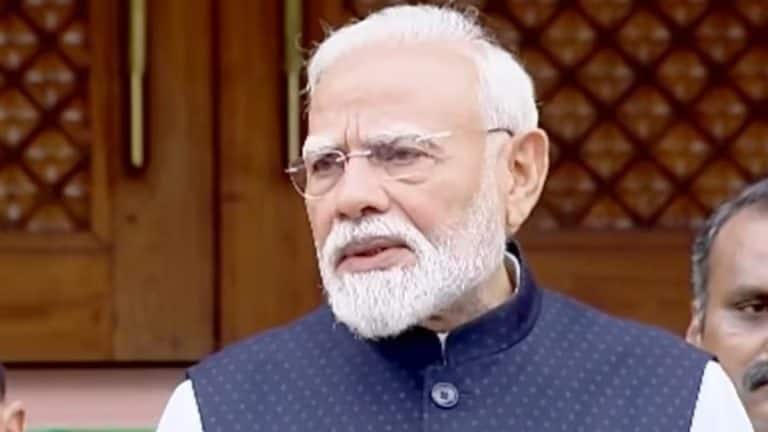
His intervention, ironically, lends weight to the very rationale behind the FCRA. When lawmakers from another country publicly interfere in laws governing foreign funding within India, it only reinforces New Delhi’s argument that external influence over domestic institutions is “neither hypothetical nor obsolete.”
As the Indian Parliament prepares once again to debate the Foreign Contribution Regulation Act (FCRA), a familiar narrative has re-emerged. Critics portray the legislation as an attack on civil society, an assault on Christian organisations and yet another sign of India’s supposed departure from democratic norms. This narrative, however, ignores a fundamental question: why should India be denied the sovereign right to regulate foreign influence when virtually every major democracy is moving in the same direction?
India’s FCRA and its proposed amendments are not unique, but reflect a wider global trend. The European Union is developing new instruments to counter foreign interference and covert influence operations, particularly those attributed to Russia, China and other foreign actors. Australia has its Foreign Influence Transparency Scheme. The United States has enforced the Foreign Agents Registration Act (FARA) for decades. The United Kingdom has introduced its own Foreign Influence Registration Scheme.
The core principle behind these frameworks remains the same: foreign funding should not be permitted to influence a country’s political, social or institutional landscape without sufficient transparency and oversight.
We are very proud that at present India is the number one country in the world by surpassing...

Every investor wants the wealth-creating power of equity and the reassuring stability of debt. Balanced Advantage Funds attempt...

Tourism is a major source of government revenue in our country. There are different types of tourism. Scenic...
Good Evening Viewers! Catch up on the day's biggest stories with The Savera Times Evening Bulletin. Get the...

Congress leaders continued their protest outside the Jaipur Police Commissionerate on Tuesday, demanding the registration of a zero...
On the auspicious occasion of Vijayadashami, Prime Minister Narendra Modi on Tuesday called on the countrymen to unite...
Aries: The day will be auspicious...